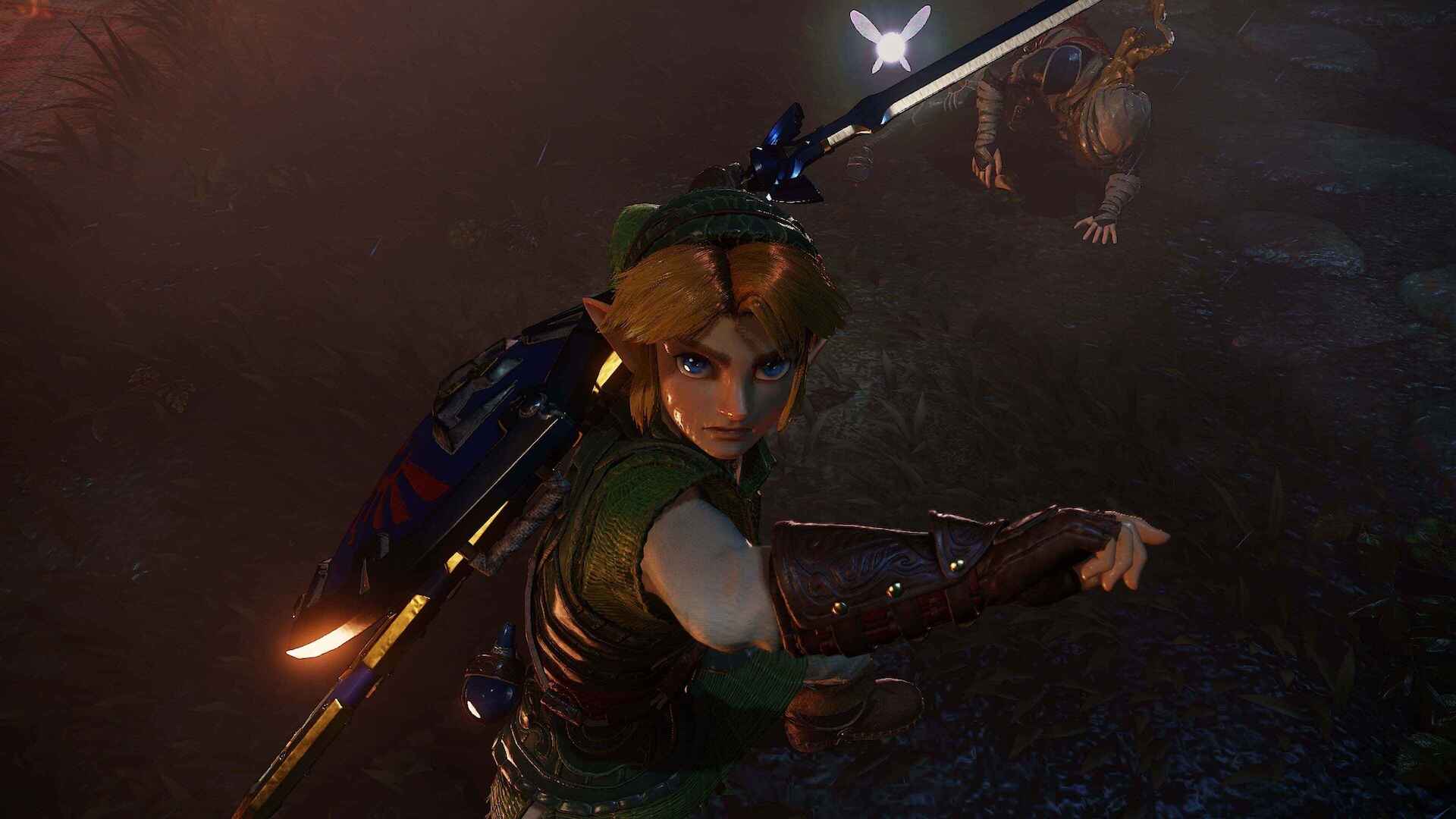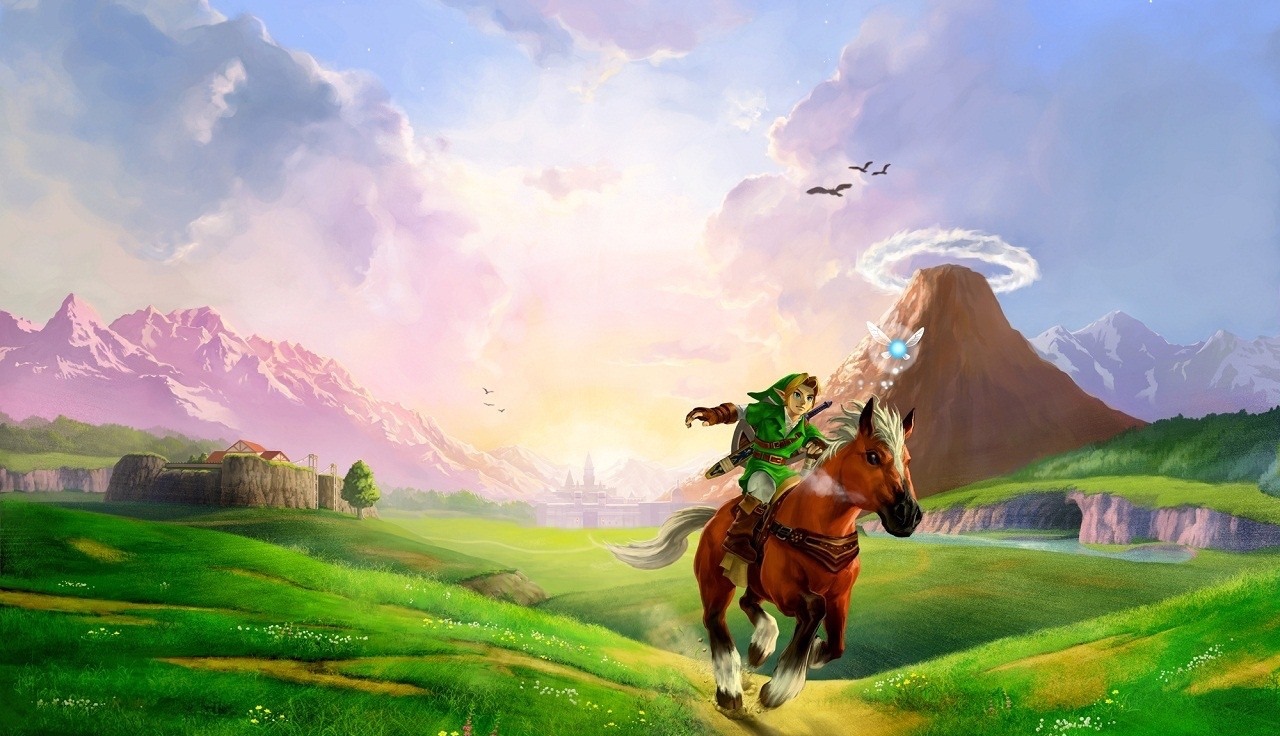

The Legend of Zelda: Ocarina of Time remake continues to be a talking point across the industry following strong critical reception and high-profile commentary from peers.
Nintendo, the franchise owner and developer, has a long history with Ocarina of Time — the original title launched on the Nintendo 64 in 1998, and Nintendo previously released a 3DS remaster in 2011.
In a recent interview with GamesBeat, Take-Two Interactive CEO Strauss Zelnick discussed the remake and placed it in the broader context of this year’s major game releases, including Grand Theft Auto VI from Rockstar Games.
Zelnick described Nintendo’s remake in unequivocal terms, calling the title “terrific” and saying Nintendo has reason to be proud of its work.
He pointed to the strong critical response the remake has received, noting its high Metacritic score as evidence of broad critical acclaim.
Zelnick framed that acclaim as part of the competitive landscape for entertainment — not just between games, but against all forms of leisure consumers might choose.
Explaining his view on competition in the entertainment business, Zelnick said that companies are vying not only with rival titles but with every alternative way people can spend their time.
He emphasized that, unlike essential goods, entertainment is discretionary: consumers choose how to allocate leisure time, and developers must create experiences compelling enough for audiences to show up.
Zelnick summarized the challenge for publishers as consistently delivering premium entertainment.
The comments arrive as the industry watches several large releases.
Take-Two is the parent company of Rockstar Games, developer of Grand Theft Auto VI, a highly anticipated franchise entry on current-generation consoles.
Nintendo’s continued stewardship of the Zelda franchise — and its history of remakes and remasters — remains a reference point when peers assess quality and market impact.
For readers following platform news, the discussion underscores how critical reception, platform strategy and franchise legacy intersect.
As outlets like the eShop, Nintendo Direct presentations and major platform launches continue to shape discovery, executive commentary from figures such as Zelnick offers a candid look at how publishers measure success in a crowded entertainment market.