SuperSega FPGA Console Faces Preorder Controversy and Development Challenges
The SuperSega FPGA console project, which garnered significant attention earlier this year with its ambitious goal to support games from Sega's major home consoles, is now facing mounting controversy and transparency concerns. Developed by a Spanish team led by Alejandro Martin, the project has encountered several hurdles relating to both the legitimacy of its branding and its ongoing hardware development.
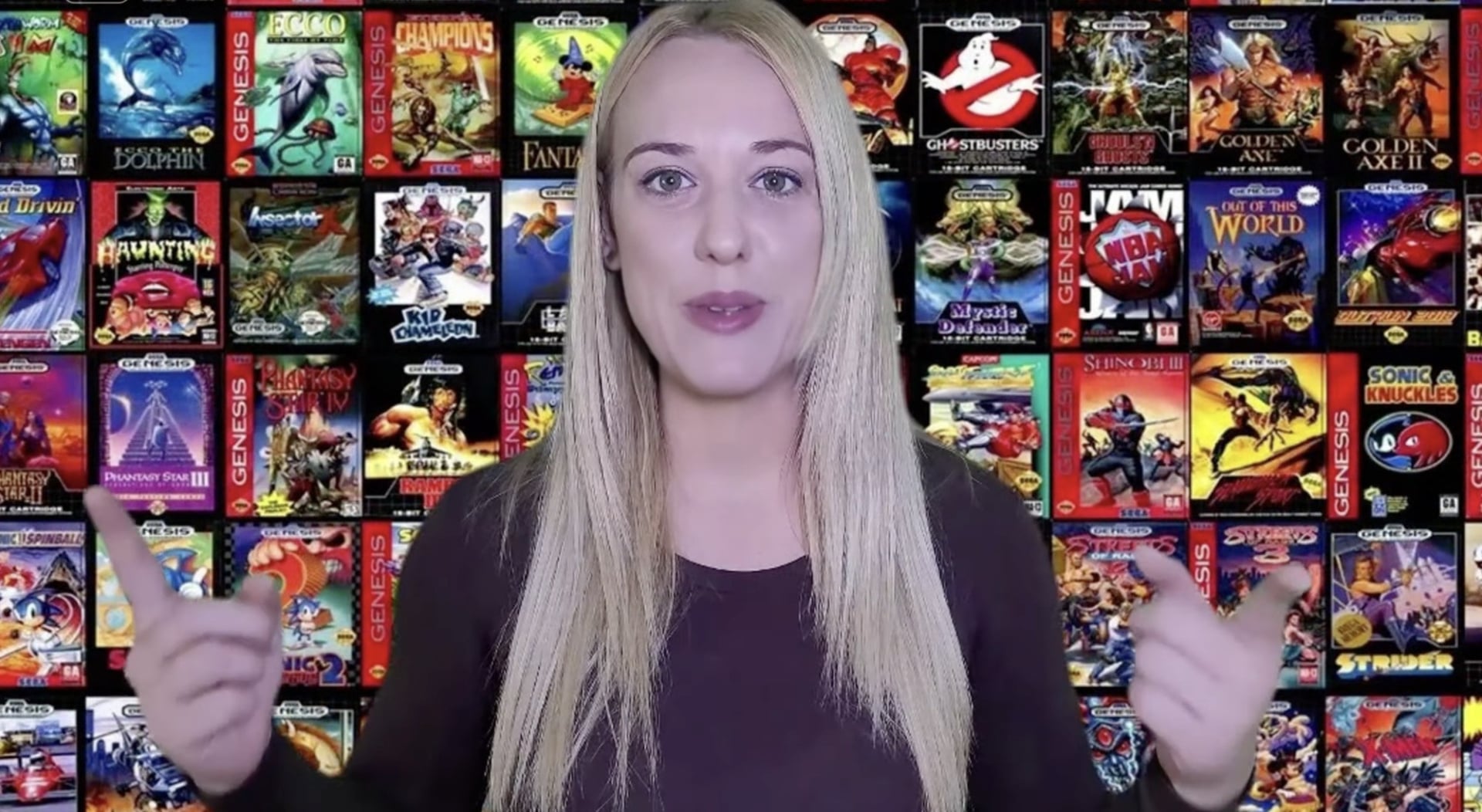
The SuperSega team originally invited excitement within the retro gaming community by promising a dedicated FPGA-based system capable of accurately running games from Sega's storied hardware lineage. However, since its announcement, the team has been subject to intense scrutiny regarding the use of the 'Sega' name and whether the demonstration videos were showing genuine hardware performance.
Latest Dispute: Unintended Full Charges for Preorders
Most recently, supporters who placed a nominal €3 preorder deposit are discovering that their payment methods have now been charged the entire balance of €420 for the system—a development that sparked immediate concern and confusion in the community. In response, the SuperSega team stated that addressing the unintended charges was a priority and emphasized their commitment to resolving the issue directly with affected customers.
Candid Q&A Reveals Development Roadblocks
In a detailed Q&A shared ahead of Alejandro Martin’s expected appearance on a prominent Spanish channel, the team offered greater insight into the difficulties faced throughout the project's development. Martin explained that the team is composed of enthusiastic developers operating on limited financial resources, striving to adhere to a pre-established timeline amid mounting challenges.
One major sticking point for critics has been the absence of prototype units in the hands of independent reviewers. According to Martin, "We currently only have two functioning boards, each costing around €15,000 and still incomplete. Sending one out risks both physical damage and the potential for other companies, such as Analogue, to reverse-engineer or clone our work."
The unfinished state of the hardware was also addressed: the available prototypes feature minimal outputs and functionality, such as a single HDMI port and USB input. Martin stressed that a complete board with all features implemented requires funds that the team does not yet possess. "Our three-to-four layer board is operational, but full traces can’t be seen externally due to the multi-layer design," he commented, countering allegations that essential board connections are missing.
Addressing Criticisms and Video Demonstrations
When asked about the quality of demonstration videos and skepticism regarding their authenticity, Martin attributed shortcomings to the lack of resources. In his words, "Early videos contained cuts to conceal small bugs, but subsequent videos were updated to show more transparency, even if some 4K TVs used presented sound issues."
Martin also revisited previous milestones, citing that the project started with a functioning Dreamcast core two years ago. The SuperSega FPGA system now uses a chip reportedly 50% faster than those used in comparable projects such as Mister FPGA, with component costs reflecting that performance increase.
Throughout their communication, the SuperSega team maintained that their primary motivation is to keep pace with the stated development timeline, despite setbacks that have often mired similar projects for prolonged periods.
Moving Forward
While the project faces a credibility challenge, and the community remains watchful of transparency concerning preorder funds and development updates, SuperSega's ambition to deliver a capable, all-in-one Sega FPGA system continues to drive development. The gaming community and industry analysts will be monitoring the situation closely as further updates and public statements emerge.
SuperSega FPGA Console Faces Preorder Controversy and Development Challenges
Nintendo News Hub
Game Pages Mentioned In This Article
Use these Nintendo Switch game pages to keep exploring the titles connected to this story, including related genres, developers, screenshots, and more coverage.
Related Topics
Explore more articles about these topics:
Source: TimeExtension