SuperSega Rebrands as 'Supercónsola' with New Affordable FPGA Console Targeting 200-250€ Price Range
The retro gaming hardware scene was shaken earlier this year when the SuperSega project faced legal action from Sega, leading to the destruction and refunding of nearly all its initial hardware runs.
Now, SuperSega’s creator Alejandro Martin is set to return with a rebranded and significantly revised console, tentatively called 'Supercónsola.' The new device targets a more accessible retail price of approximately 200 to 250 euros, making FPGA-based classic gaming hardware more attainable for enthusiasts.
Initially, the SuperSega console aimed for high performance with a costly AMD Ultrascale+ FPGA chipset.
Legal challenges from Sega forced the destruction of about 300 units, with refunds processed for all but ten buyers—a detail confirmed via communication with Time Extension.
According to statements received by the publication, Martin and his team are partnering with well-known Asian manufacturing firms to mass-produce a more affordable device that retains the core concept of the original console.
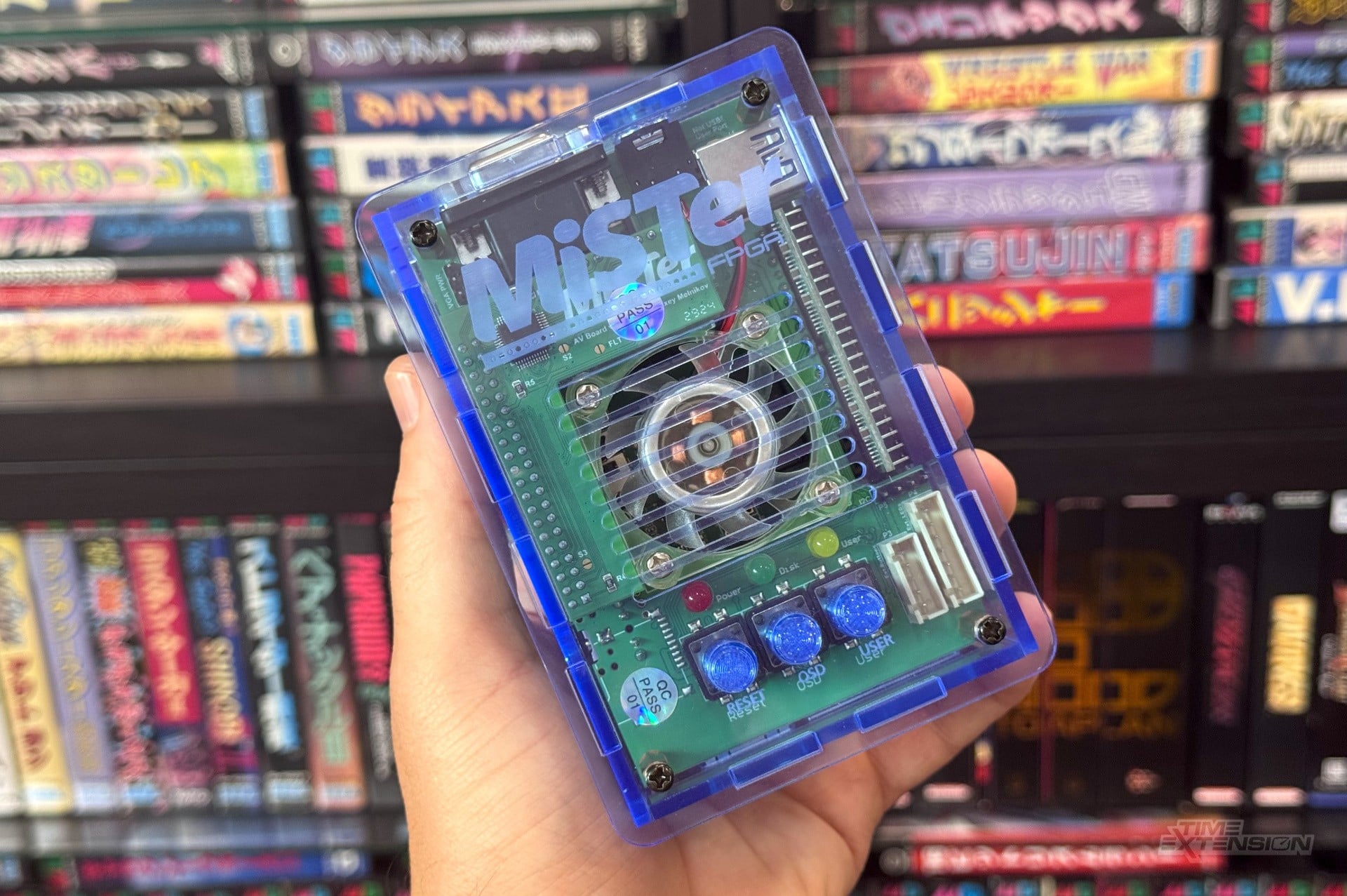
Instead of the expensive AMD chip, the upcoming Supercónsola will implement an FPGA solution similar to the widely respected MiSTer FPGA project.
This choice brings major cost savings—a key factor behind the new, lower price bracket.
In a statement, SuperSega’s team explained that the device would combine the economical FPGA chip with capabilities delivered through an ARM core running Linux.
"By leveraging the integration of a cost-effective FPGA and ARM-driven Linux environment, the new Supercónsola maintains the original concept while offering greater accessibility," the team shared in an official email.
A cornerstone of the project’s renewed approach is openness.
"The release is intended to be open-source," the press release emphasizes, "so developers and third parties can adapt or program new cores for the Supercónsola." This strategy echoes the MiSTer community, which has thrived on collaborative hardware and software enhancements for retro consoles.
Prototype units—estimated between 10 and 20—will be distributed globally, targeting influential content creators on platforms like YouTube for hands-on coverage.
Following initial reviews, Supercónsola’s commercial launch will proceed via Kickstarter with a limited first batch of 1,111 units, capped at a maximum production run of 3,333 units in total—adding a collectible element to the release.
Notably, the SuperSega debacle left a handful of customers awaiting refunds from the original 375-euro early access devices.
Martin, still using a unique Barcelona phone number, has invited remaining claimants to contact him via WhatsApp to resolve outstanding refunds.
While skepticism surrounds whether the reimagined Supercónsola can succeed where its predecessor failed, the new approach—with a reduced price point, open-source commitment, and community-driven ethos—signals a fresh start.
The retro gaming hardware space is no stranger to ambitious projects, and industry-watchers will be keenly observing whether Supercónsola can overcome its tumultuous origins.
Stay connected for further updates on retro hardware developments and Nintendo Switch news as Supercónsola progresses toward release.
The retro gaming hardware scene was shaken earlier this year when the SuperSega project faced legal action from Sega, leading to the destruction and refunding of nearly all its initial hardware runs.
Now, SuperSega’s creator Alejandro Martin is set to return with a rebranded and significantly revised console, tentatively called 'Supercónsola.' The new device targets a more accessible retail price of approximately 200 to 250 euros, making FPGA-based classic gaming hardware more attainable for enthusiasts.
Initially, the SuperSega console aimed for high performance with a costly AMD Ultrascale+ FPGA chipset.
Legal challenges from Sega forced the destruction of about 300 units, with refunds processed for all but ten buyers—a detail confirmed via communication with Time Extension.
According to statements received by the publication, Martin and his team are partnering with well-known Asian manufacturing firms to mass-produce a more affordable device that retains the core concept of the original console.
Instead of the expensive AMD chip, the upcoming Supercónsola will implement an FPGA solution similar to the widely respected MiSTer FPGA project.
This choice brings major cost savings—a key factor behind the new, lower price bracket.
In a statement, SuperSega’s team explained that the device would combine the economical FPGA chip with capabilities delivered through an ARM core running Linux.
"By leveraging the integration of a cost-effective FPGA and ARM-driven Linux environment, the new Supercónsola maintains the original concept while offering greater accessibility," the team shared in an official email.
A cornerstone of the project’s renewed approach is openness.
"The release is intended to be open-source," the press release emphasizes, "so developers and third parties can adapt or program new cores for the Supercónsola." This strategy echoes the MiSTer community, which has thrived on collaborative hardware and software enhancements for retro consoles.
Prototype units—estimated between 10 and 20—will be distributed globally, targeting influential content creators on platforms like YouTube for hands-on coverage.
Following initial reviews, Supercónsola’s commercial launch will proceed via Kickstarter with a limited first batch of 1,111 units, capped at a maximum production run of 3,333 units in total—adding a collectible element to the release.
Notably, the SuperSega debacle left a handful of customers awaiting refunds from the original 375-euro early access devices.
Martin, still using a unique Barcelona phone number, has invited remaining claimants to contact him via WhatsApp to resolve outstanding refunds.
While skepticism surrounds whether the reimagined Supercónsola can succeed where its predecessor failed, the new approach—with a reduced price point, open-source commitment, and community-driven ethos—signals a fresh start.
The retro gaming hardware space is no stranger to ambitious projects, and industry-watchers will be keenly observing whether Supercónsola can overcome its tumultuous origins.
Stay connected for further updates on retro hardware developments and Nintendo Switch news as Supercónsola progresses toward release.