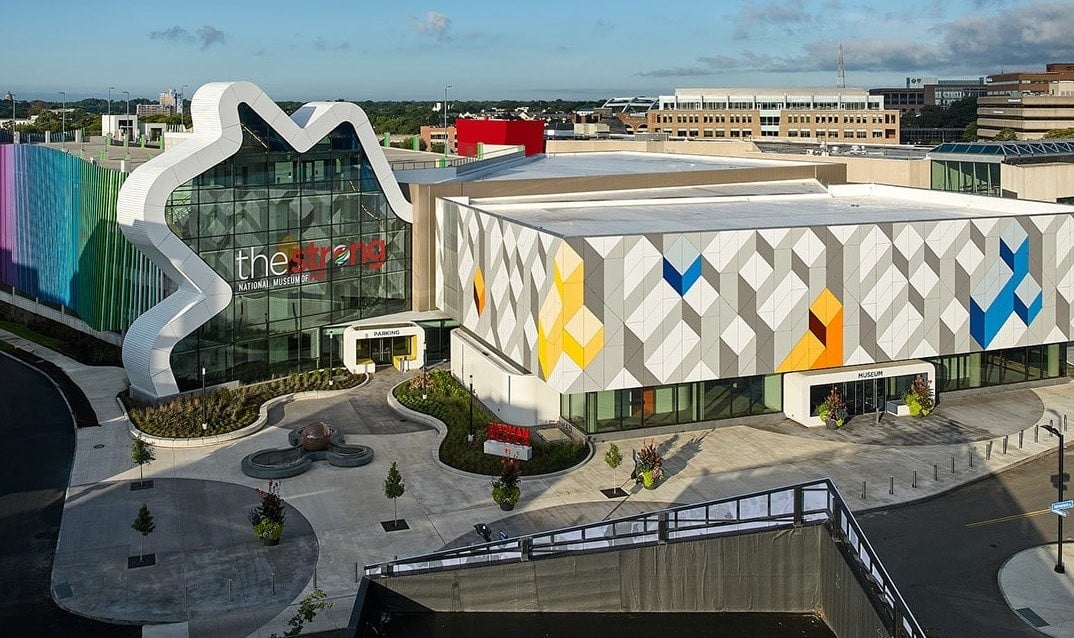
The Strong Museum of Play in Rochester, New York, has announced a landmark acquisition for gaming history enthusiasts: the comprehensive Curt Vendel Collection, one of the most extensive archives documenting Atari’s storied legacy in home computers and video game consoles from the early 1970s through the 2000s.
This pivotal collection, amassed by the late Curt Vendel—a renowned Atari historian, engineer, and the founder of the Atari Museum—will now be preserved at the Strong for future generations of researchers, industry experts, and fans alike.
Curt Vendel, who passed away unexpectedly in 2020 at the age of 53, was widely respected for his dedication to Atari’s heritage.
He established the Atari Museum in 1997, co-designed the first two Atari Flashback plug-and-play consoles in the early 2000s, and co-authored the comprehensive book 'Atari Inc.: Business Is Fun' with Marty Goldberg.
Vendel’s close relationships with former Atari engineers and developers provided him access to rare and vital artifacts, making his collection uniquely valuable.
The Curt Vendel Collection features hundreds of original materials, including:
- Computer media across a range of historical formats
- Engineering drawings and schematics for both released and unreleased products
- Source code and ROM release documents for games developed for platforms like the Atari 2600 and Atari Jaguar
- Historical licensing files relating to major companies, including SEGA
- Product design documentation, merchandising materials, and trade show artifacts
- Logbooks belonging to Atari legends such as engineer Ron Milner—developer of the Atari 2600 prototype—and programmer Owen Rubin
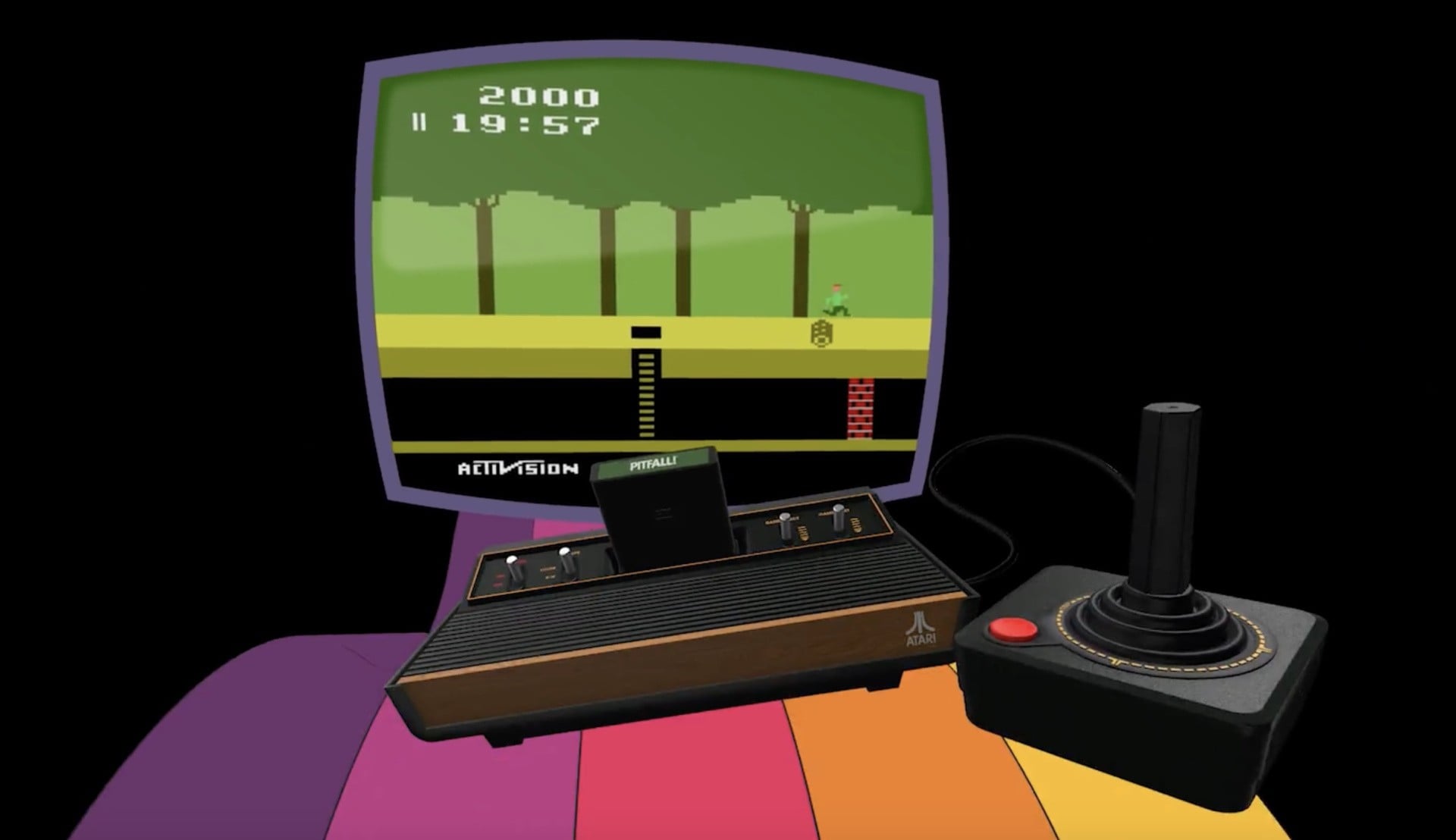
Among the notable items are materials related to significant milestones in Atari’s hardware development, such as the Television Interface Adaptor (TIA) chip for the famed Atari 2600, rare documents on the reimagined Atari 2800 (the Japanese version of the 2600), and exclusive insights into unreleased hardware such as the Jaguar II.
The Strong Museum’s acquisition of this collection cements its role as a premier institution for video game history and preservation.
According to museum representatives, the Curt Vendel Collection will complement existing Atari-related archives, further supporting scholarly research into the evolution of the video game and home computing industries, product development, marketing strategies, and community-led preservation efforts.
The museum also plans to incorporate many of these historical items into future public exhibitions, enabling wider access to rare insights from the foundational years of the gaming industry.
This significant addition ensures that Curt Vendel’s vast contributions to the gaming community—as both a guardian and chronicler of Atari’s innovations—will continue to educate and inspire audiences interested in the origins of interactive entertainment.
This pivotal collection, amassed by the late Curt Vendel—a renowned Atari historian, engineer, and the founder of the Atari Museum—will now be preserved at the Strong for future generations of researchers, industry experts, and fans alike.
Curt Vendel, who passed away unexpectedly in 2020 at the age of 53, was widely respected for his dedication to Atari’s heritage.
He established the Atari Museum in 1997, co-designed the first two Atari Flashback plug-and-play consoles in the early 2000s, and co-authored the comprehensive book 'Atari Inc.: Business Is Fun' with Marty Goldberg.
Vendel’s close relationships with former Atari engineers and developers provided him access to rare and vital artifacts, making his collection uniquely valuable.
The Curt Vendel Collection features hundreds of original materials, including:
- Computer media across a range of historical formats
- Engineering drawings and schematics for both released and unreleased products
- Source code and ROM release documents for games developed for platforms like the Atari 2600 and Atari Jaguar
- Historical licensing files relating to major companies, including SEGA
- Product design documentation, merchandising materials, and trade show artifacts
- Logbooks belonging to Atari legends such as engineer Ron Milner—developer of the Atari 2600 prototype—and programmer Owen Rubin
Among the notable items are materials related to significant milestones in Atari’s hardware development, such as the Television Interface Adaptor (TIA) chip for the famed Atari 2600, rare documents on the reimagined Atari 2800 (the Japanese version of the 2600), and exclusive insights into unreleased hardware such as the Jaguar II.
The Strong Museum’s acquisition of this collection cements its role as a premier institution for video game history and preservation.
According to museum representatives, the Curt Vendel Collection will complement existing Atari-related archives, further supporting scholarly research into the evolution of the video game and home computing industries, product development, marketing strategies, and community-led preservation efforts.
The museum also plans to incorporate many of these historical items into future public exhibitions, enabling wider access to rare insights from the foundational years of the gaming industry.
This significant addition ensures that Curt Vendel’s vast contributions to the gaming community—as both a guardian and chronicler of Atari’s innovations—will continue to educate and inspire audiences interested in the origins of interactive entertainment.