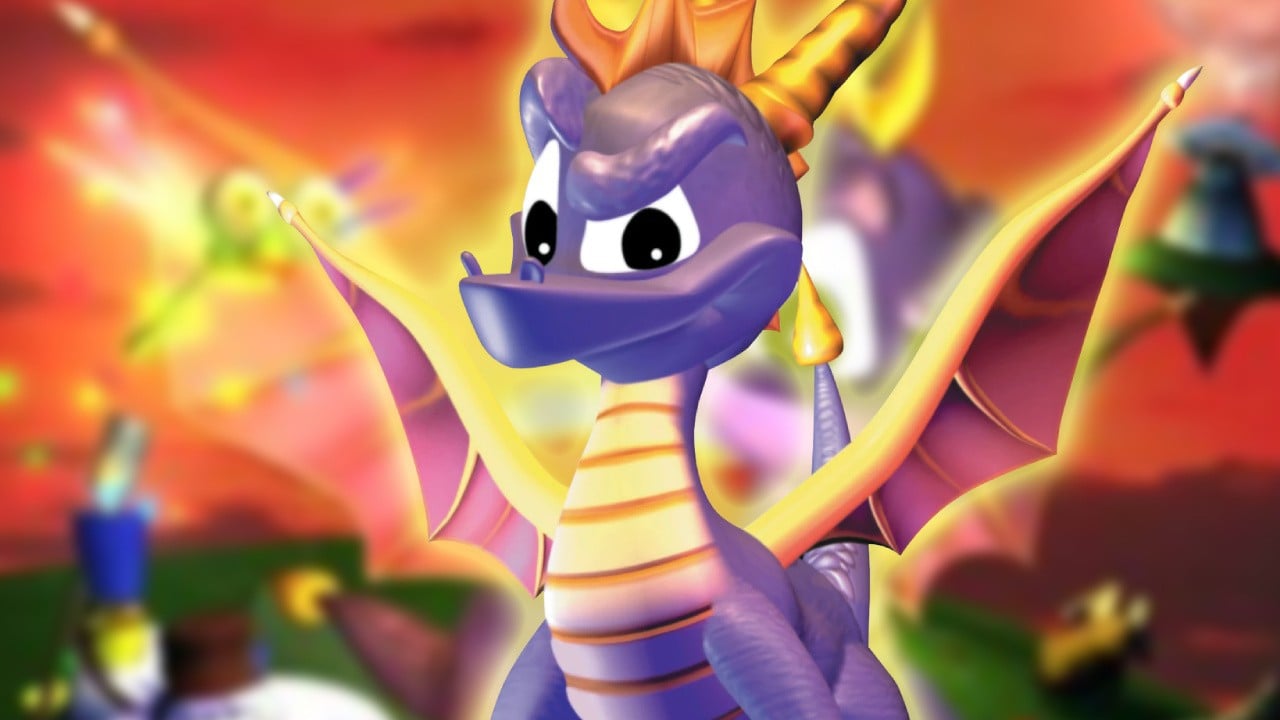
A rare, full-scale Spyro statue originally created for the E3 2000 promotion of Spyro: Year of the Dragon has been located and removed from an abandoned building in Oregon after a community-led recovery effort.
The statue — reported to be approximately 12 feet long, 5 to 6 feet tall including the horns, and 3.5 feet wide, and believed to be constructed from fibreglass — was previously displayed at the Arc Arcade in Astoria, Oregon, until that venue closed in 2018.
Background and discovery
Spyro: Year of the Dragon, developed by Insomniac Games and released in 2000 for the PlayStation, was marketed at trade shows such as E3.
One promotional piece from that era has lived a quiet, precarious existence since its time on the show floor.
According to community posts, the statue changed hands at some point after E3 and later turned up at Arc Arcade in Astoria.
After the arcade closed in 2018, the statue’s whereabouts became unclear.
A fan known online as Momoka (MomokaRage on Instagram and Twitter/X) learned of recent footage showing the statue housed in an abandoned building near their home.
After researching the lead, Momoka told the r/Spyro subreddit that they had tracked the statue to Saint Helens, Oregon, and pledged to recover it for preservation.
Condition, pickup and restoration plans
In updates shared with the community, Momoka reported that the statue’s eyes were broken but appeared repairable — likely made from clear plastic — and that the wings would need replacement.
They arranged a pickup agreement with the current property owner and collected the piece on Monday, May 18, 2026.
Momoka said the building’s owner, an elderly man who purchased the property in 2021, told them the statue was already inside when he bought the building and that he had largely forgotten about it.
Having removed the statue, Momoka plans to move it to a friend’s storage unit for initial repairs before keeping it at their home and exhibiting it at local gaming conventions so fans can see the restored piece.
Why this matters
Gaming memorabilia from major trade shows is often lost, damaged, or destroyed; recovering an E3-era promotional statue tied to a 2000 PlayStation release is a notable win for video game preservation.
Footage of the statue on the E3 2000 show floor still exists, offering a reference for restoration.
The community-driven recovery highlights how fans and collectors can preserve physical artifacts of gaming history for public enjoyment and future display.
The statue — reported to be approximately 12 feet long, 5 to 6 feet tall including the horns, and 3.5 feet wide, and believed to be constructed from fibreglass — was previously displayed at the Arc Arcade in Astoria, Oregon, until that venue closed in 2018.
Background and discovery
Spyro: Year of the Dragon, developed by Insomniac Games and released in 2000 for the PlayStation, was marketed at trade shows such as E3.
One promotional piece from that era has lived a quiet, precarious existence since its time on the show floor.
According to community posts, the statue changed hands at some point after E3 and later turned up at Arc Arcade in Astoria.
After the arcade closed in 2018, the statue’s whereabouts became unclear.
A fan known online as Momoka (MomokaRage on Instagram and Twitter/X) learned of recent footage showing the statue housed in an abandoned building near their home.
After researching the lead, Momoka told the r/Spyro subreddit that they had tracked the statue to Saint Helens, Oregon, and pledged to recover it for preservation.
Condition, pickup and restoration plans
In updates shared with the community, Momoka reported that the statue’s eyes were broken but appeared repairable — likely made from clear plastic — and that the wings would need replacement.
They arranged a pickup agreement with the current property owner and collected the piece on Monday, May 18, 2026.
Momoka said the building’s owner, an elderly man who purchased the property in 2021, told them the statue was already inside when he bought the building and that he had largely forgotten about it.
Having removed the statue, Momoka plans to move it to a friend’s storage unit for initial repairs before keeping it at their home and exhibiting it at local gaming conventions so fans can see the restored piece.
Why this matters
Gaming memorabilia from major trade shows is often lost, damaged, or destroyed; recovering an E3-era promotional statue tied to a 2000 PlayStation release is a notable win for video game preservation.
Footage of the statue on the E3 2000 show floor still exists, offering a reference for restoration.
The community-driven recovery highlights how fans and collectors can preserve physical artifacts of gaming history for public enjoyment and future display.