
Introduction
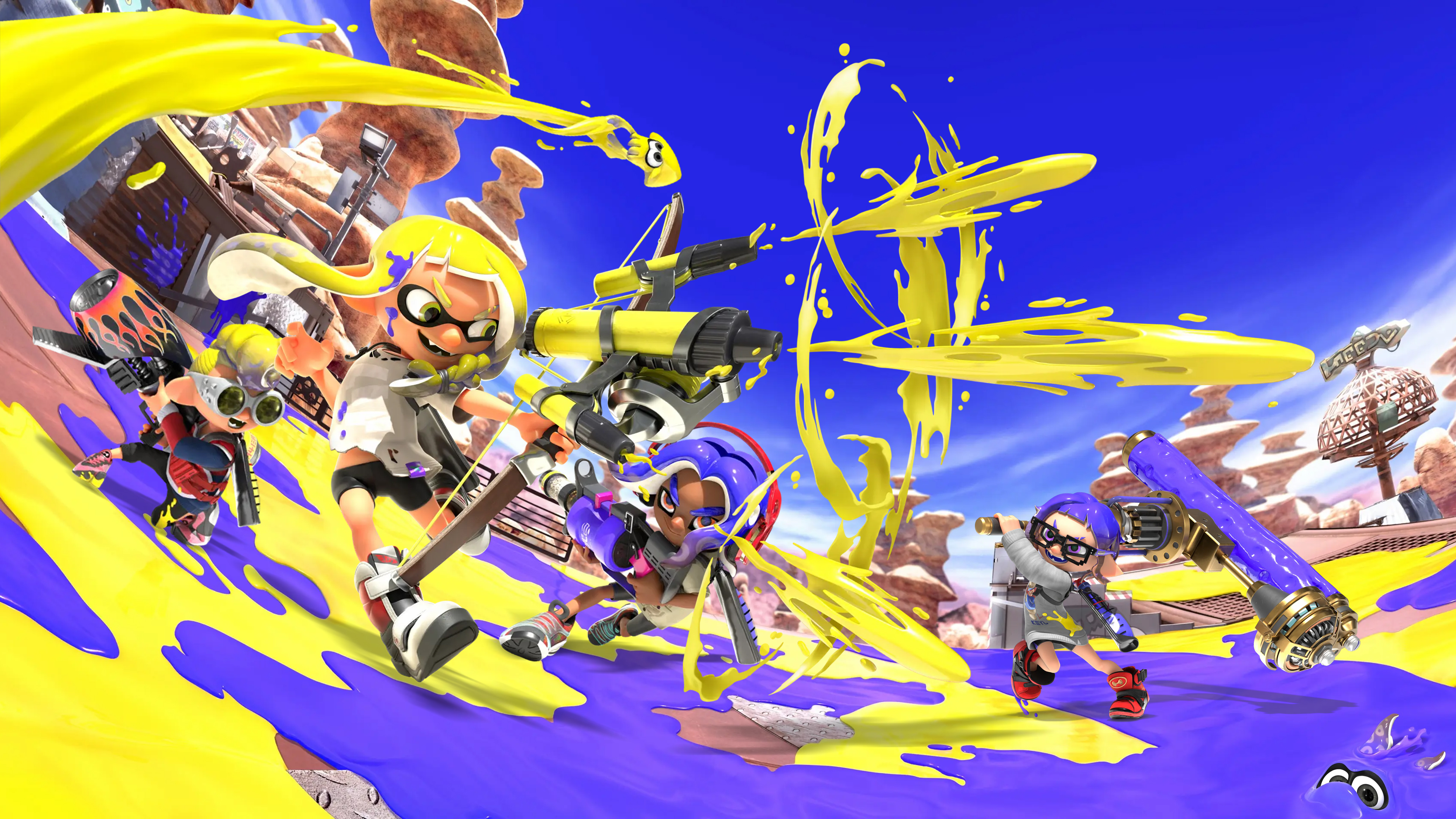
Splatoon Raiders launched for Nintendo’s Switch 2 on July 23, 2026.
Developed and published by Nintendo, the title shifts the long-running Splatoon franchise toward a single-player-first experience set on the Spirhalite Islands while preserving optional cooperative play and customization familiar to series veterans.
Single-player focus with multiplayer options
Splatoon Raiders deliberately centers on solo exploration and combat.
Nintendo’s design team framed the game as a single-player adventure that borrows elements from Salmon Run and numbered Splatoon entries: players assume the role of a mechanic who teams up with Shiver, Frye, and Big Man of Deep Cut after the group crash-lands while searching for treasure.
In journalistic terms, the development team increased emphasis on narrative-driven missions and environmental variety rather than competitive multiplayer as the primary loop.
Improved presentation and enemy design
Reviewers and observers note that "Nintendo has significantly improved cutscene animation in Splatoon Raiders, making characters more expressive and mobile than in Splatoon 3." The game brings back many Salmonids from Splatoon 3 with upgraded designs and introduces several new enemies and bosses rather than relying solely on reskins.
This variety forces tactical prioritization during encounters and mirrors the tension found in Salmon Run, while delivering fresh boss encounters.
Customization, gadgets, and level design
Splatoon Raiders expands loadout options with a large weapon roster, multiple gadget types, and three distinct tanks—speed, power, and tactics—that unlock different gear.
One notable gadget, the Flywire, allows wall-sticking and quick forward bursts similar to the Zipcaster special from Splatoon 3.
Levels blend grounded island, glacier, and volcano environments with more abstract, challenge-focused stages, providing both exploration and tightly designed obstacle courses.
Soundtrack and pacing
The soundtrack leans into Salmonid-inspired, atmospheric tracks; mission music often emphasizes unsettling vocals and beats.
In journalistic terms: "The mission score adopts unnerving Salmonid motifs that can polarize players, while overworld and late-game tracks deliver the memorable melodies expected from the series." Some players may find repetition taxing across extended sessions.
Difficulty, multiplayer scaling, and postgame
Difficulty options include easy, normal, and hard; these settings scale enemy strength but do not alter loot, preserving accessibility.
Most levels can be played cooperatively, with enemy scaling adjusted by lobby size and individual player settings retained for balance.
Postgame content is extensive, with remixed, higher-difficulty stages and a time investment estimated around 50 hours to complete all endgame content.
Conclusion
Splatoon Raiders represents a deliberate, largely successful pivot to a single-player-focused Splatoon entry on the Switch 2.
With upgraded presentation, deep customization, robust postgame, and cooperative support, it offers a substantial experience for fans of Splatoon story modes and Salmon Run alike.
Splatoon Raiders launched for Nintendo’s Switch 2 on July 23, 2026.
Developed and published by Nintendo, the title shifts the long-running Splatoon franchise toward a single-player-first experience set on the Spirhalite Islands while preserving optional cooperative play and customization familiar to series veterans.
Single-player focus with multiplayer options
Splatoon Raiders deliberately centers on solo exploration and combat.
Nintendo’s design team framed the game as a single-player adventure that borrows elements from Salmon Run and numbered Splatoon entries: players assume the role of a mechanic who teams up with Shiver, Frye, and Big Man of Deep Cut after the group crash-lands while searching for treasure.
In journalistic terms, the development team increased emphasis on narrative-driven missions and environmental variety rather than competitive multiplayer as the primary loop.
Improved presentation and enemy design
Reviewers and observers note that "Nintendo has significantly improved cutscene animation in Splatoon Raiders, making characters more expressive and mobile than in Splatoon 3." The game brings back many Salmonids from Splatoon 3 with upgraded designs and introduces several new enemies and bosses rather than relying solely on reskins.
This variety forces tactical prioritization during encounters and mirrors the tension found in Salmon Run, while delivering fresh boss encounters.
Customization, gadgets, and level design
Splatoon Raiders expands loadout options with a large weapon roster, multiple gadget types, and three distinct tanks—speed, power, and tactics—that unlock different gear.
One notable gadget, the Flywire, allows wall-sticking and quick forward bursts similar to the Zipcaster special from Splatoon 3.
Levels blend grounded island, glacier, and volcano environments with more abstract, challenge-focused stages, providing both exploration and tightly designed obstacle courses.
Soundtrack and pacing
The soundtrack leans into Salmonid-inspired, atmospheric tracks; mission music often emphasizes unsettling vocals and beats.
In journalistic terms: "The mission score adopts unnerving Salmonid motifs that can polarize players, while overworld and late-game tracks deliver the memorable melodies expected from the series." Some players may find repetition taxing across extended sessions.
Difficulty, multiplayer scaling, and postgame
Difficulty options include easy, normal, and hard; these settings scale enemy strength but do not alter loot, preserving accessibility.
Most levels can be played cooperatively, with enemy scaling adjusted by lobby size and individual player settings retained for balance.
Postgame content is extensive, with remixed, higher-difficulty stages and a time investment estimated around 50 hours to complete all endgame content.
Conclusion
Splatoon Raiders represents a deliberate, largely successful pivot to a single-player-focused Splatoon entry on the Switch 2.
With upgraded presentation, deep customization, robust postgame, and cooperative support, it offers a substantial experience for fans of Splatoon story modes and Salmon Run alike.