Splatoon 2 Mexican culture influence: producer Hisashi Nogami on art director Seita Inoue
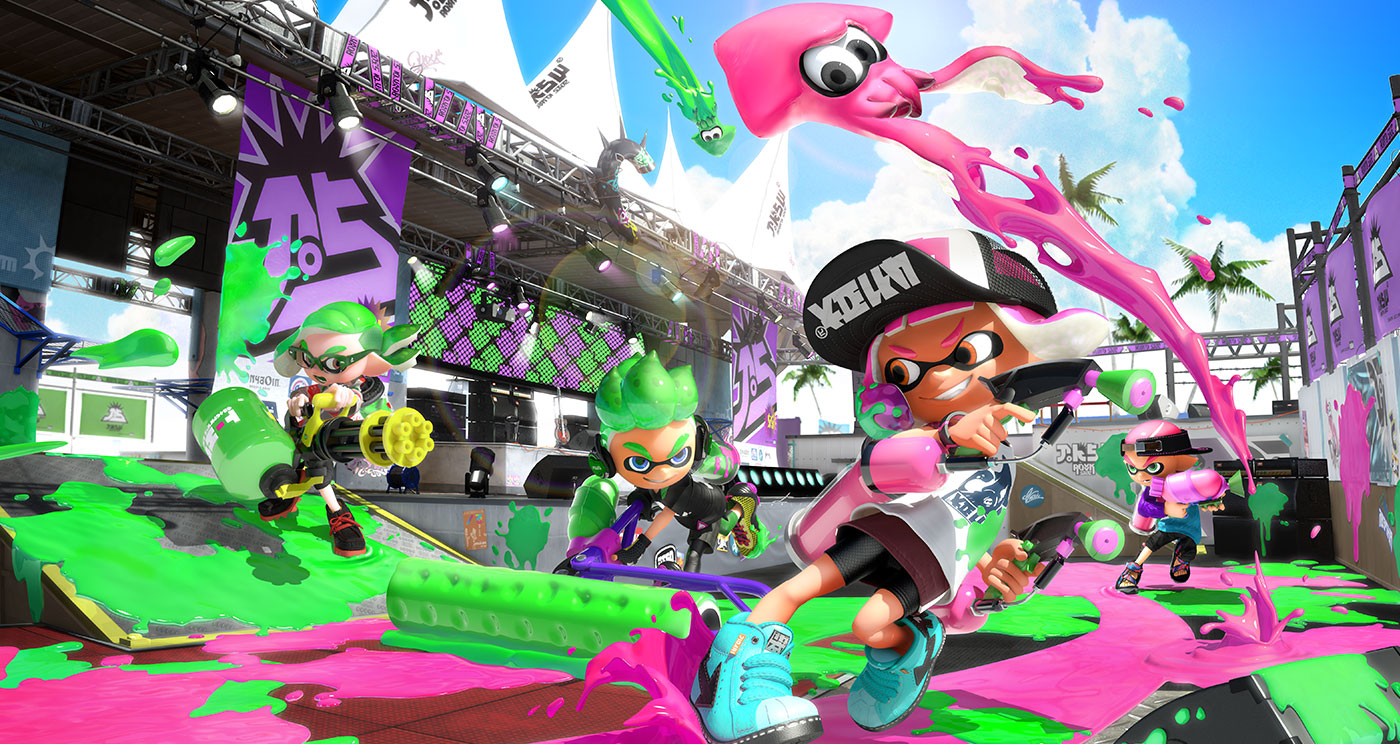
Splatoon 2, developed by Nintendo EPD and released for Nintendo Switch on July 21, 2017, established a distinctive visual identity that separated the franchise from other multiplayer shooters.
In a recent interview with Mexican outlet Atomix, Splatoon producer Hisashi Nogami confirmed that elements of the game's art direction — notably its vibrant colors and street-inspired aesthetics — were shaped in part by art director Seita Inoue's childhood time in Mexico.
Nogami emphasized the franchise's appreciation for its international fanbase and singled out Mexico and Latin America for their importance to the series.
Paraphrasing Nogami's remarks: he said the team is grateful for Splatoon fans worldwide, and that Seita Inoue spent a significant portion of his childhood in Mexico.
While Inoue may not retain detailed memories from that period, Nogami noted it is reasonable to conclude those early experiences informed Splatoon's colorful, culturally resonant visuals.
Nogami added that he hopes Latino players who have not yet tried Splatoon will look for and recognize these influences.
These comments add context to a visual approach Nintendo and the Splatoon team have curated since the original Splatoon on Wii U in 2015.
The franchise expanded with Splatoon 2 on Nintendo Switch in 2017 and later Splatoon 3 in 2022, with each entry reinforcing the series' emphasis on bold color palettes, stylized character design, and urban motifs.
Nintendo supported Splatoon 2 with regular post-launch updates, seasonal Splatfests, and competitive events, helping it remain a prominent multiplayer title on the eShop and in Nintendo Direct showcases.
Seita Inoue is credited across the Splatoon series for shaping the franchise's look, and Hisashi Nogami continues to serve as a public-facing producer who discusses the team's creative choices.
Atomix published Nogami's full comments in the interview, highlighting Nintendo's awareness of the ways personal backgrounds and international culture can feed into game design.
By acknowledging the Mexican influences behind Splatoon 2's aesthetic, Nintendo and its developers have highlighted how global experiences within a development team can contribute to a game's identity — a point that resonates with the franchise's broad, international community of players.
Splatoon 2, developed by Nintendo EPD and released for Nintendo Switch on July 21, 2017, established a distinctive visual identity that separated the franchise from other multiplayer shooters.
In a recent interview with Mexican outlet Atomix, Splatoon producer Hisashi Nogami confirmed that elements of the game's art direction — notably its vibrant colors and street-inspired aesthetics — were shaped in part by art director Seita Inoue's childhood time in Mexico.
Nogami emphasized the franchise's appreciation for its international fanbase and singled out Mexico and Latin America for their importance to the series.
Paraphrasing Nogami's remarks: he said the team is grateful for Splatoon fans worldwide, and that Seita Inoue spent a significant portion of his childhood in Mexico.
While Inoue may not retain detailed memories from that period, Nogami noted it is reasonable to conclude those early experiences informed Splatoon's colorful, culturally resonant visuals.
Nogami added that he hopes Latino players who have not yet tried Splatoon will look for and recognize these influences.
These comments add context to a visual approach Nintendo and the Splatoon team have curated since the original Splatoon on Wii U in 2015.
The franchise expanded with Splatoon 2 on Nintendo Switch in 2017 and later Splatoon 3 in 2022, with each entry reinforcing the series' emphasis on bold color palettes, stylized character design, and urban motifs.
Nintendo supported Splatoon 2 with regular post-launch updates, seasonal Splatfests, and competitive events, helping it remain a prominent multiplayer title on the eShop and in Nintendo Direct showcases.
Seita Inoue is credited across the Splatoon series for shaping the franchise's look, and Hisashi Nogami continues to serve as a public-facing producer who discusses the team's creative choices.
Atomix published Nogami's full comments in the interview, highlighting Nintendo's awareness of the ways personal backgrounds and international culture can feed into game design.
By acknowledging the Mexican influences behind Splatoon 2's aesthetic, Nintendo and its developers have highlighted how global experiences within a development team can contribute to a game's identity — a point that resonates with the franchise's broad, international community of players.