Shigeru Miyamoto, the creative mastermind behind video game landmarks like Super Mario Bros., The Legend of Zelda, and Pikmin, seldom comments on titles outside Nintendo's extensive portfolio.
However, a recently resurfaced interview has provided fresh insights into Miyamoto's personal gaming tastes, revealing his admiration for Sega's rhythm-based franchise, Samba de Amigo—a series celebrated for its vibrant visuals and infectious music.
The revelation surfaced through Satoshi Okano, a developer known for his contributions to the genre, who shared his recollections from exchanges with the late Satoru Iwata, Nintendo's former president and industry visionary.
According to Okano, it was during regular New Year’s card correspondences with Iwata, who had a storied background with HAL Laboratory before leading Nintendo, that the subject of Miyamoto’s preferences came up.
Okano recalled, "Back in 2000 or 2001, I received a card from Iwata-san, which mentioned, 'Did you know Shigeru Miyamoto also enjoys Samba de Amigo?' This was a delightful surprise, coming directly from someone who worked closely with both Miyamoto and myself."
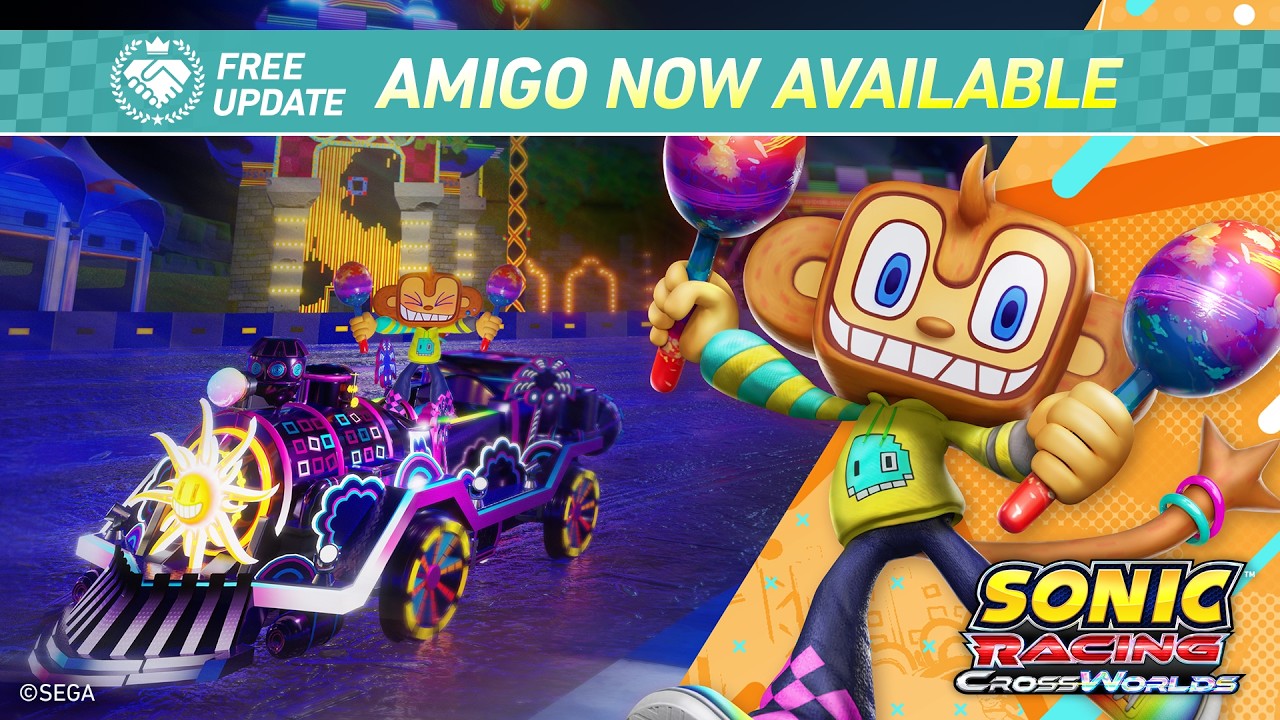
Samba de Amigo, developed by Sonic Team and published by Sega, debuted in arcades in 1999 before making its way to the Sega Dreamcast and, more recently, to the Nintendo Switch via an updated release on the Nintendo eShop.
The game is notable for its innovative use of motion controls and maracas-shaped peripherals, encouraging players to match rhythms in an energetic, colorful environment.
Its cheerful style and accessible gameplay have made it a standout among rhythm games on Nintendo hardware, and the series' return on Nintendo Switch further cements its cross-generational appeal.
Miyamoto’s positive view of Samba de Amigo underscores the mutual respect among developers and the far-reaching influence of creative risk-taking within the gaming industry.
In an industry where Nintendo's own rhythm-based projects—like Rhythm Heaven—are often discussed, hearing candid recognition for a Sega title from one of gaming's greatest minds bridges company boundaries.
It also highlights the continuing dialogue and camaraderie between influential figures like Miyamoto, Iwata, and Okano.
Samba de Amigo’s ongoing presence on modern platforms like the Nintendo Switch and eShop shows how classic rhythm games remain relevant and appreciated, not only by fans but also by the creators who have defined the game industry.
This story, initially shared in interviews revisited by gaming journalists, serves as a reminder of the enduring impact iconic developers like Miyamoto and Iwata have had—not only on their own franchises but on video game culture as a whole.
However, a recently resurfaced interview has provided fresh insights into Miyamoto's personal gaming tastes, revealing his admiration for Sega's rhythm-based franchise, Samba de Amigo—a series celebrated for its vibrant visuals and infectious music.
The revelation surfaced through Satoshi Okano, a developer known for his contributions to the genre, who shared his recollections from exchanges with the late Satoru Iwata, Nintendo's former president and industry visionary.
According to Okano, it was during regular New Year’s card correspondences with Iwata, who had a storied background with HAL Laboratory before leading Nintendo, that the subject of Miyamoto’s preferences came up.
Okano recalled, "Back in 2000 or 2001, I received a card from Iwata-san, which mentioned, 'Did you know Shigeru Miyamoto also enjoys Samba de Amigo?' This was a delightful surprise, coming directly from someone who worked closely with both Miyamoto and myself."
Samba de Amigo, developed by Sonic Team and published by Sega, debuted in arcades in 1999 before making its way to the Sega Dreamcast and, more recently, to the Nintendo Switch via an updated release on the Nintendo eShop.
The game is notable for its innovative use of motion controls and maracas-shaped peripherals, encouraging players to match rhythms in an energetic, colorful environment.
Its cheerful style and accessible gameplay have made it a standout among rhythm games on Nintendo hardware, and the series' return on Nintendo Switch further cements its cross-generational appeal.
Miyamoto’s positive view of Samba de Amigo underscores the mutual respect among developers and the far-reaching influence of creative risk-taking within the gaming industry.
In an industry where Nintendo's own rhythm-based projects—like Rhythm Heaven—are often discussed, hearing candid recognition for a Sega title from one of gaming's greatest minds bridges company boundaries.
It also highlights the continuing dialogue and camaraderie between influential figures like Miyamoto, Iwata, and Okano.
Samba de Amigo’s ongoing presence on modern platforms like the Nintendo Switch and eShop shows how classic rhythm games remain relevant and appreciated, not only by fans but also by the creators who have defined the game industry.
This story, initially shared in interviews revisited by gaming journalists, serves as a reminder of the enduring impact iconic developers like Miyamoto and Iwata have had—not only on their own franchises but on video game culture as a whole.