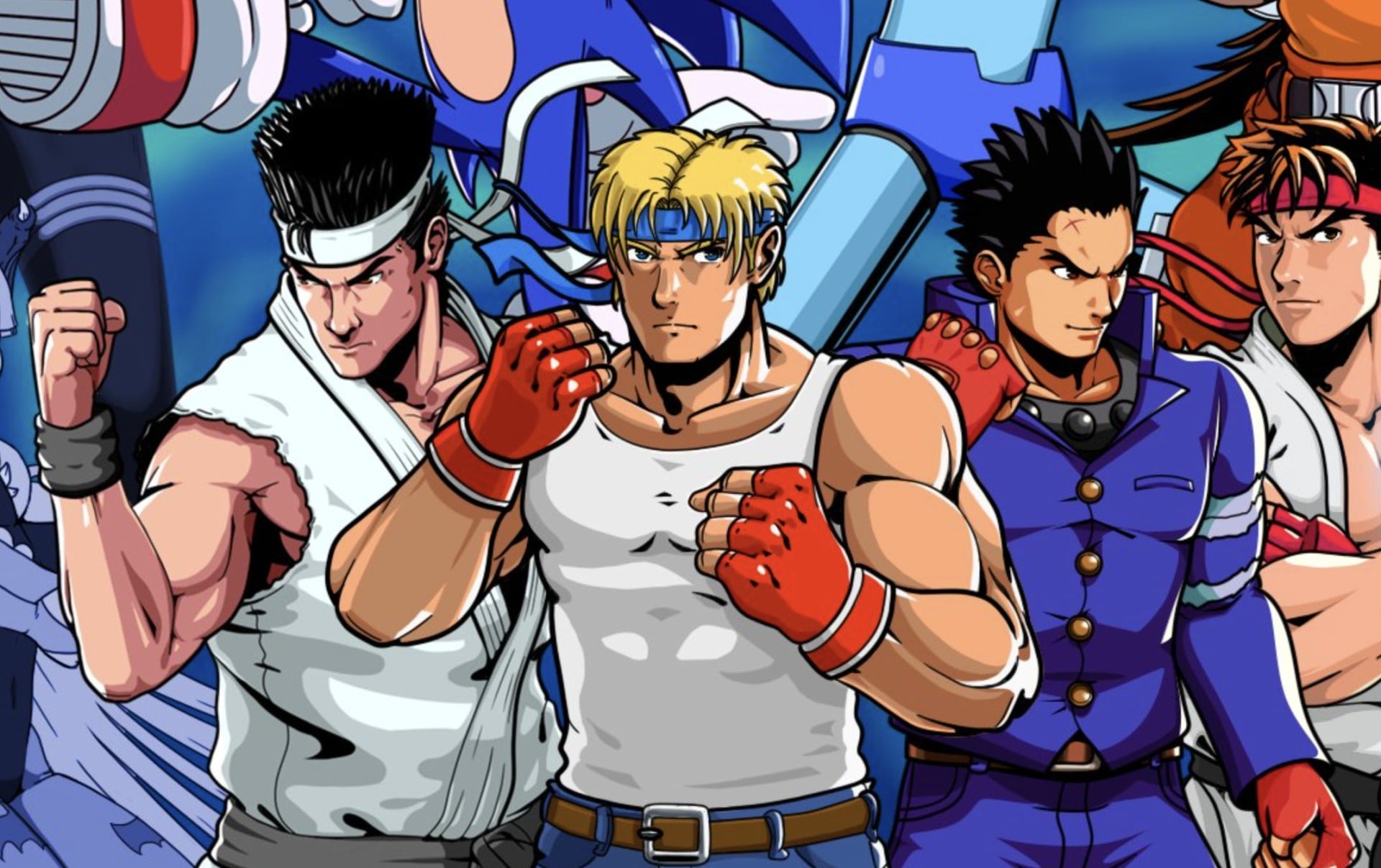
A long-running PC fan project, Sega Vs Capcom from indie team 4CYDE Studios, has been discontinued after the developer acknowledged the use of Capcom-owned characters and likenesses.
The fan-made fighting game had been available online for several years and received coverage from gaming outlets including Time Extension, which reported on the shutdown and developer statements.
4CYDE Studios confirmed on its public feed that the project was closed specifically because it used Capcom's copyrighted characters.
The team framed the decision as an accepted risk of creating fan games, saying they do not regret making the title and expressing gratitude to contributors while noting they were pleased to have completed what they called a "season 1" release.
The studio also characterized the work as a learning experience intended to inform future original projects.
Reaction from the community was divided.
Many fans expressed disappointment and sympathy for 4CYDE Studios, while some commenters acknowledged the legal position of IP holders.
Veteran developer Hidetoshi Ishizawa, known in industry credits as Neo_G and credited as director on Street Fighter III 3rd STRIKE and main planner on Capcom Vs SNK 2, commented on the matter.
Ishizawa initially said the use of Capcom's copyrighted material was inappropriate and at one point suggested that character assets had been taken from Tatsunoko vs Capcom — an assertion he later retracted after being corrected.
He went on to note that, regardless of regional attitudes toward fan work, copyright law would likely support Capcom's enforcement in this case.
Downloads of Sega Vs Capcom have been removed from distribution points, but videos and archived footage of the project remain accessible online, allowing observers to see the scope of the team's work.
The episode highlights the broader tensions between fan-created games and rights holders; while platforms such as PC modding communities and consoles like the Nintendo Switch host a wide range of officially licensed fighting games in the eShop and on retail, unlicensed use of established characters can prompt legal action from publishers.
For developers and fans, the 4CYDE Studios statement underlined a shift in focus toward creating original IP going forward.
Time Extension's coverage and the developer's own posts provide the primary public record of the shutdown and the team's response.
The fan-made fighting game had been available online for several years and received coverage from gaming outlets including Time Extension, which reported on the shutdown and developer statements.
4CYDE Studios confirmed on its public feed that the project was closed specifically because it used Capcom's copyrighted characters.
The team framed the decision as an accepted risk of creating fan games, saying they do not regret making the title and expressing gratitude to contributors while noting they were pleased to have completed what they called a "season 1" release.
The studio also characterized the work as a learning experience intended to inform future original projects.
Reaction from the community was divided.
Many fans expressed disappointment and sympathy for 4CYDE Studios, while some commenters acknowledged the legal position of IP holders.
Veteran developer Hidetoshi Ishizawa, known in industry credits as Neo_G and credited as director on Street Fighter III 3rd STRIKE and main planner on Capcom Vs SNK 2, commented on the matter.
Ishizawa initially said the use of Capcom's copyrighted material was inappropriate and at one point suggested that character assets had been taken from Tatsunoko vs Capcom — an assertion he later retracted after being corrected.
He went on to note that, regardless of regional attitudes toward fan work, copyright law would likely support Capcom's enforcement in this case.
Downloads of Sega Vs Capcom have been removed from distribution points, but videos and archived footage of the project remain accessible online, allowing observers to see the scope of the team's work.
The episode highlights the broader tensions between fan-created games and rights holders; while platforms such as PC modding communities and consoles like the Nintendo Switch host a wide range of officially licensed fighting games in the eShop and on retail, unlicensed use of established characters can prompt legal action from publishers.
For developers and fans, the 4CYDE Studios statement underlined a shift in focus toward creating original IP going forward.
Time Extension's coverage and the developer's own posts provide the primary public record of the shutdown and the team's response.