
Resident Evil 7 development: How Capcom rebooted the franchise
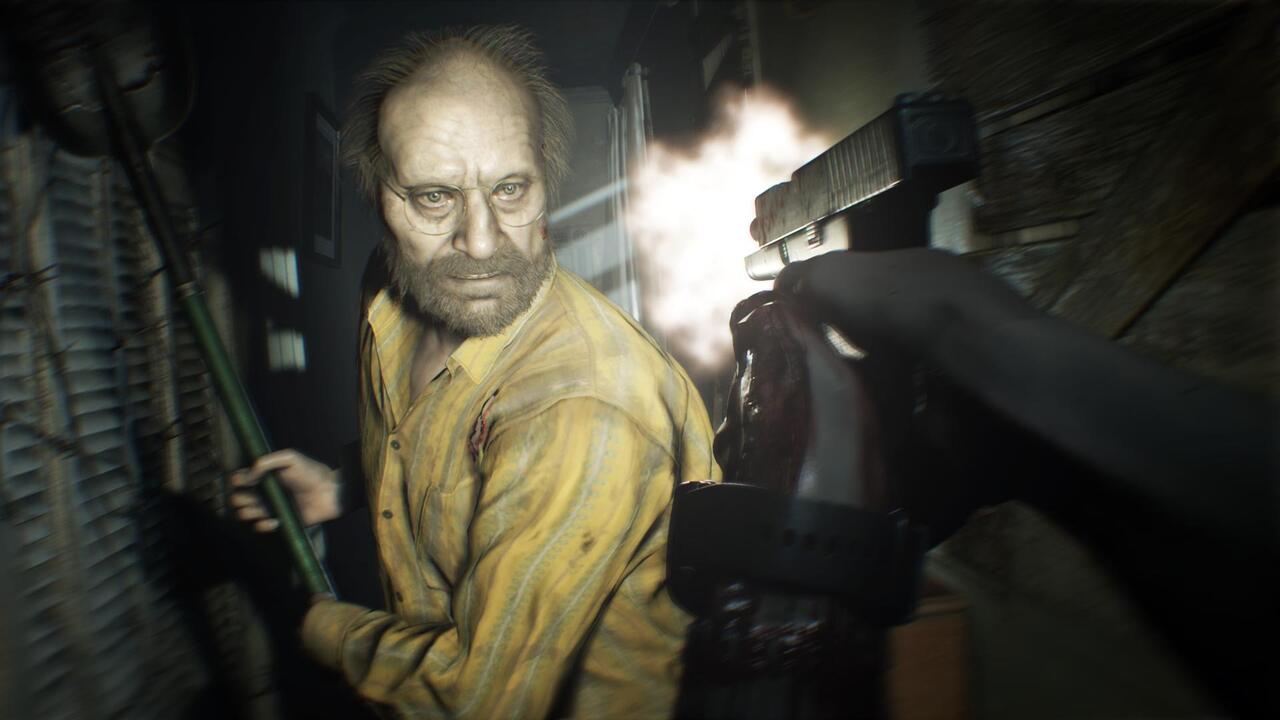
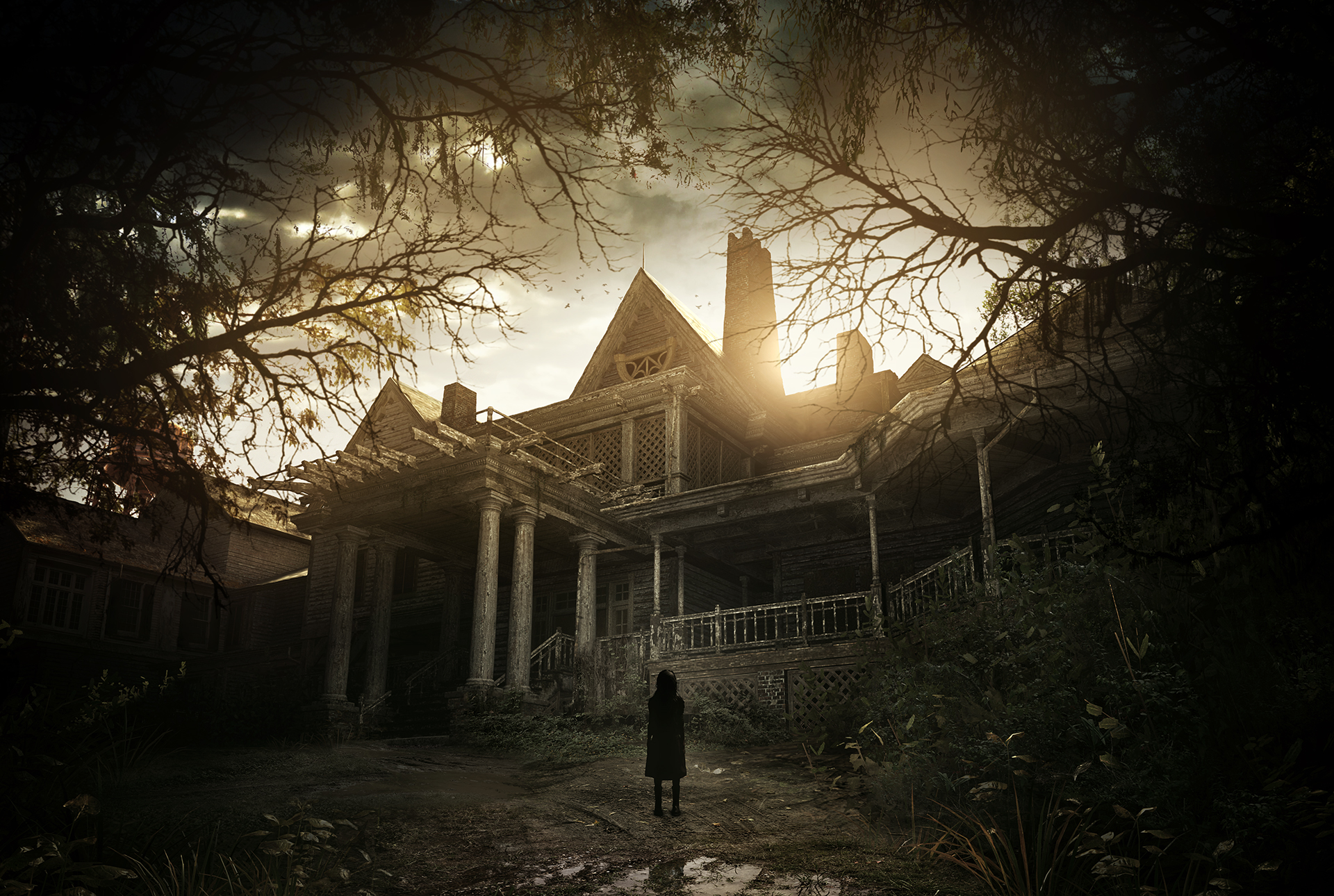
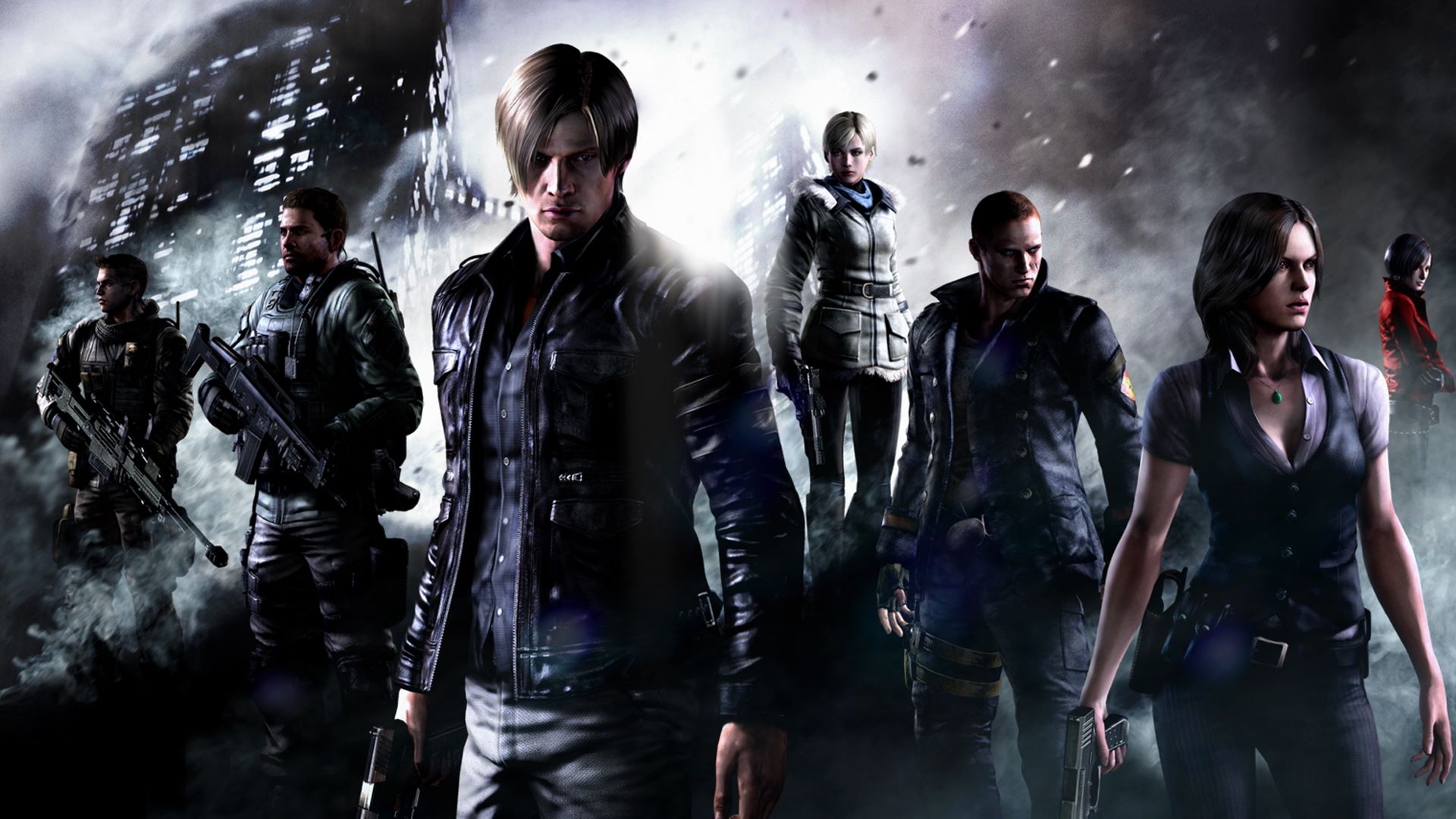
Resident Evil 7: Biohazard arrived on January 24, 2017, and is widely credited with refocusing Capcom’s flagship horror series on survival horror after the blockbuster, action‑oriented reception to Resident Evil 6.
In a long Bluesky thread, Capcom manager Miguel E.
Corti outlined key development decisions that shaped RE7 — from perspective and protagonist choices to late story changes — offering rare behind‑the‑scenes context for a game that helped reset the franchise ahead of Resident Evil Village.
Early development and industry context
Corti described that work on RE7 began amid an industry landscape dominated by action shooters and what he called pronounced anti‑Japanese sentiment in games discourse at the time.
The Last of Us (2013) and other narrative, character‑driven titles influenced Capcom’s intent to win back critical acclaim.
Several potential protagonists were considered during that period — including series mainstays Leon, Jill, Rebecca, and even Hunk — and Corti said the project became fragmented, with so many versions in play he lost track of them.
Shift to first‑person and a smaller horror focus
A reorganisation at Capcom led to a restart of development and a decisive shift to first‑person perspective.
Corti noted the team wanted to return to survival horror fundamentals rather than blockbuster action.
The director drew inspiration from contemporary horror cinema; Corti highlighted Evil Dead (2013) as an influence and linked that film’s protagonist name to RE7’s Mia.
Character, narrative and late changes
Corti explained Ethan Winters was initially conceived as a silent protagonist, but that changed when the team decided to center the story on his relationship to Mia — her apparent abduction and presumed death made silence feel inappropriate.
He also described a late addition to the campaign: a choice to save Mia or Zoe.
Corti recounted that Japanese developers tended to pick Mia while non‑Japanese team members often chose Zoe, and he summarized his own reasoning by saying he identified with Zoe as a character who had helped Ethan and therefore deserved help in return.
Cameos, visuals and reception
Worries about reception prompted the team to restore more traditional Resident Evil elements, which led to a cameo by Chris Redfield late in the game.
According to Corti, the decision to show an Umbrella logo on Chris’s sleeve was intended to spark conversation; the team also faced challenges matching the look of a familiar character using photoscanned models.
Corti noted that while RE7 sold slowly at first — roughly three million units within its first year — positive reviews and sustained interest helped it gain momentum, and the release of Resident Evil Village later renewed player interest in RE7.
Legacy
Corti’s account underscores how iterative design, leadership changes, and a return to horror fundamentals reshaped Resident Evil 7.
For industry observers and fans tracking Capcom’s evolution, the thread provides a documented example of how a major franchise course‑corrects and reclaims its identity.