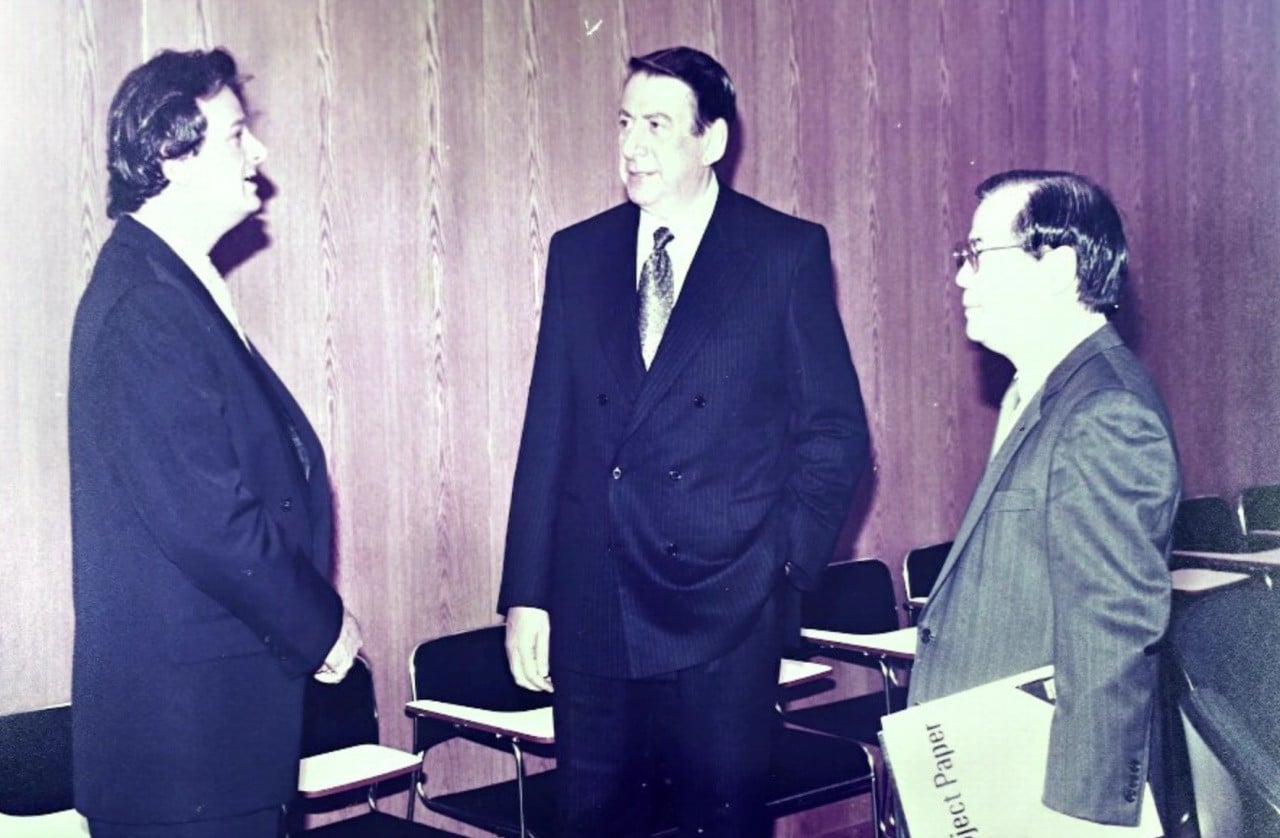
David Rosen, the visionary co-founder and long-serving executive of Sega, passed away on Christmas Day at the age of 95, according to a report by RePlay Magazine.
Surrounded by family at his passing, Rosen leaves behind an indelible legacy that helped shape the video game industry as we know it today.
Sega, along with numerous developers and composers, have publicly honored Rosen’s enormous impact on both their personal careers and the global gaming landscape.
Rosen’s influence stretches from his early days as a United States Air Force serviceman—from 1948 to 1952—where his overseas experience inspired his lifelong connection with Japan.
Following his military service during the Korean War, Rosen chose to remain in Japan, establishing Rosen Enterprises in 1954.
What began as a business selling art and identification photos soon transformed as Rosen steered the company into the burgeoning world of coin-operated amusement machines, importing groundbreaking arcade experiences from North America.
A pivotal moment occurred in 1965 when Rosen orchestrated the merger between Rosen Enterprises and Nihon Goraku Bussan, Ltd., also known as Service Games.
This union gave rise to Sega Enterprises, Ltd., marking the genesis of one of the industry’s most influential brands.
As CEO and managing director, Rosen’s strategic leadership fueled Sega’s global expansion and innovations in the arcade and home console spaces.
Under Rosen’s stewardship, Sega not only flourished in location-based amusements but also caught the attention of major American conglomerate Gulf and Western Industries, joining their portfolio in 1969.
During the 1980s, following the death of Gulf and Western’s chief executive Charles Bluhdorn, Rosen collaborated with Hayao Nakayama and Isao Okawa to reacquire Sega’s Japanese division, solidifying the company’s autonomy and future successes.
Rosen’s reach extended further as he played a central role in founding Sega of America, where he served as chairman while maintaining a director role at Sega of Japan until his retirement in the mid-1990s.
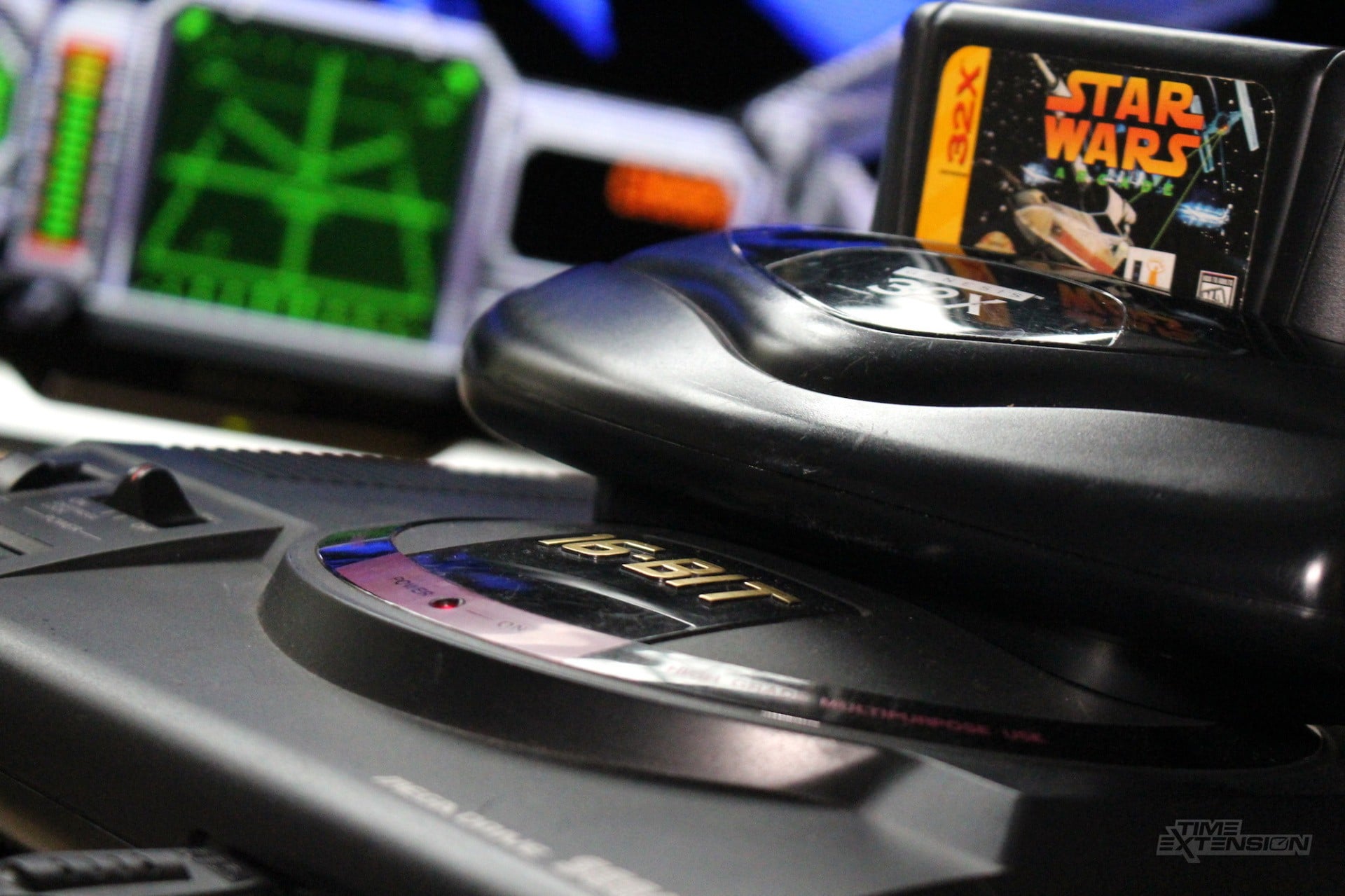
His vision facilitated Sega's introduction of seminal hardware and software, including the Sega Mega Drive, which profoundly shaped the gaming experiences of that era and remains influential today.
Notable tributes poured in from across the industry.
Renowned composer Yuzo Koshiro, whose credits include Streets of Rage 2 and ActRaiser, remarked that Sega had been a defining presence during his formative years, stating that the memories of playing countless arcade games shaped his life and the trajectory of his company, Ancient.
Koshiro expressed his deep gratitude and respect, wishing Rosen peaceful rest and acknowledging his role in building a culture that inspired generations of developers.
David Rosen’s story is emblematic of the entrepreneurial and creative spirit that propelled video gaming to global prominence.
Having lived in Los Angeles during his retirement, Rosen remained a respected figure until his passing.
Sega, its alumni, and the broader gaming community continue to celebrate his towering contributions, ensuring that his legacy endures in arcades, consoles, and the countless players he inspired worldwide.
Surrounded by family at his passing, Rosen leaves behind an indelible legacy that helped shape the video game industry as we know it today.
Sega, along with numerous developers and composers, have publicly honored Rosen’s enormous impact on both their personal careers and the global gaming landscape.
Rosen’s influence stretches from his early days as a United States Air Force serviceman—from 1948 to 1952—where his overseas experience inspired his lifelong connection with Japan.
Following his military service during the Korean War, Rosen chose to remain in Japan, establishing Rosen Enterprises in 1954.
What began as a business selling art and identification photos soon transformed as Rosen steered the company into the burgeoning world of coin-operated amusement machines, importing groundbreaking arcade experiences from North America.
A pivotal moment occurred in 1965 when Rosen orchestrated the merger between Rosen Enterprises and Nihon Goraku Bussan, Ltd., also known as Service Games.
This union gave rise to Sega Enterprises, Ltd., marking the genesis of one of the industry’s most influential brands.
As CEO and managing director, Rosen’s strategic leadership fueled Sega’s global expansion and innovations in the arcade and home console spaces.
Under Rosen’s stewardship, Sega not only flourished in location-based amusements but also caught the attention of major American conglomerate Gulf and Western Industries, joining their portfolio in 1969.
During the 1980s, following the death of Gulf and Western’s chief executive Charles Bluhdorn, Rosen collaborated with Hayao Nakayama and Isao Okawa to reacquire Sega’s Japanese division, solidifying the company’s autonomy and future successes.
Rosen’s reach extended further as he played a central role in founding Sega of America, where he served as chairman while maintaining a director role at Sega of Japan until his retirement in the mid-1990s.
His vision facilitated Sega's introduction of seminal hardware and software, including the Sega Mega Drive, which profoundly shaped the gaming experiences of that era and remains influential today.
Notable tributes poured in from across the industry.
Renowned composer Yuzo Koshiro, whose credits include Streets of Rage 2 and ActRaiser, remarked that Sega had been a defining presence during his formative years, stating that the memories of playing countless arcade games shaped his life and the trajectory of his company, Ancient.
Koshiro expressed his deep gratitude and respect, wishing Rosen peaceful rest and acknowledging his role in building a culture that inspired generations of developers.
David Rosen’s story is emblematic of the entrepreneurial and creative spirit that propelled video gaming to global prominence.
Having lived in Los Angeles during his retirement, Rosen remained a respected figure until his passing.
Sega, its alumni, and the broader gaming community continue to celebrate his towering contributions, ensuring that his legacy endures in arcades, consoles, and the countless players he inspired worldwide.