A developer going by the handle obrien654j has posted a video showing a working Sega CD FPGA core running on the Analogue Pocket, the handheld FPGA device from Analogue.
The demonstration, shared on Reddit and highlighted by retro community members, confirms progress toward bringing the Sega CD’s disc-based library to Analogue’s cartridge-focused handheld via an FPGA core implementation.
In the demo, the developer said the prototype delivers "good audio timing," while acknowledging outstanding issues.
Rewriting that statement for clarity: the developer reported the core currently demonstrates solid audio timing but still encounters boot reliability problems and occasional stutter during full-motion video (FMV) playback.
They further told viewers they are actively addressing these problems and indicated a release is expected "soon."
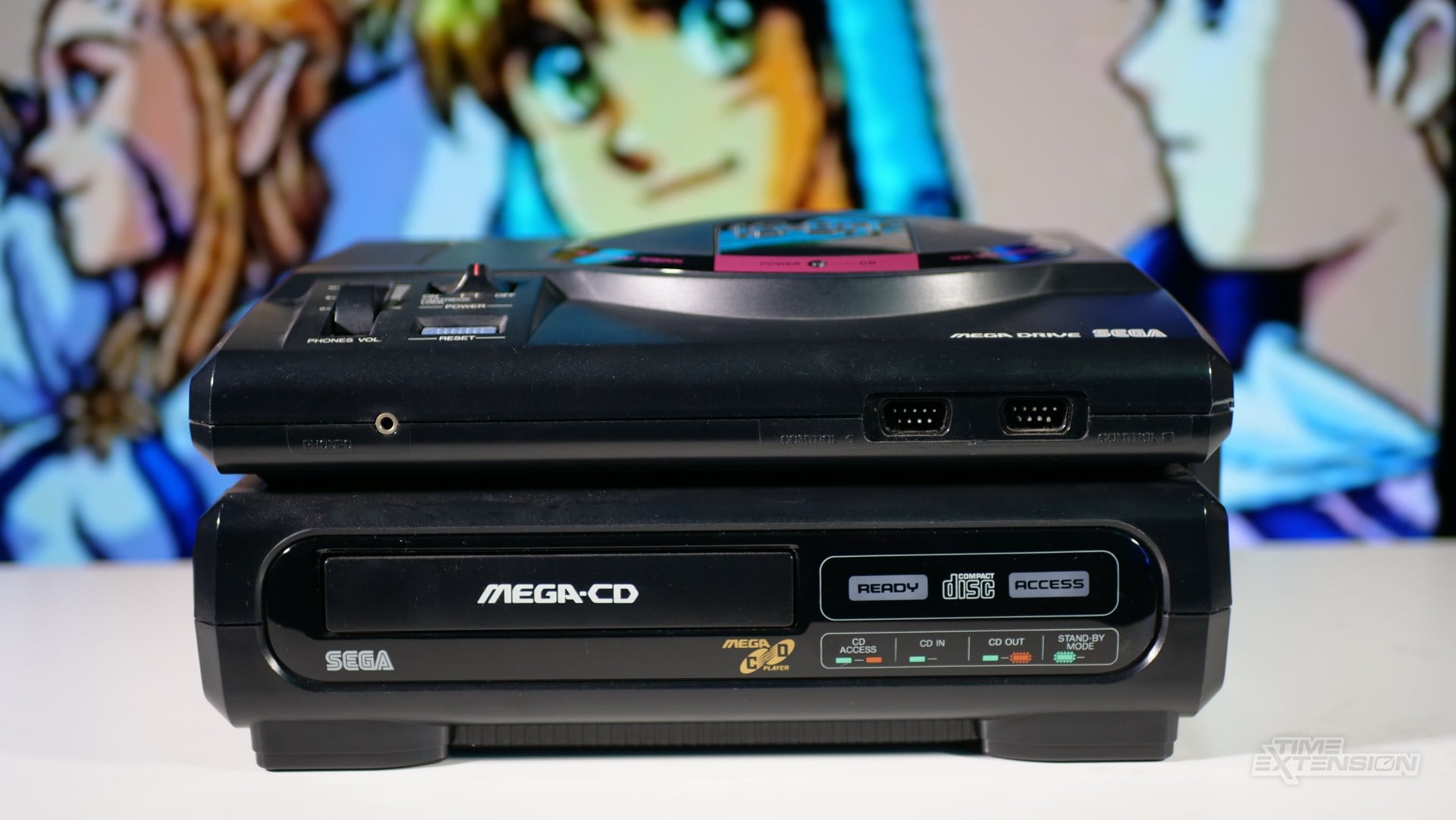
Context: the Sega CD (released in Japan on December 12, 1991) was a bolt-on CD-ROM peripheral for the Sega Genesis/Mega Drive that enabled larger game sizes, CD-quality audio, and animated cutscenes.
The add-on also included a faster co-processor and a custom graphics chip to expand the base console’s capabilities.
Despite these features, Sega sold roughly 2.24 million Sega CD units worldwide and discontinued the platform in 1996.
FPGA and retro platforms: a Sega CD core already exists for MiSTer FPGA, the popular open FPGA project based on the DE10-Nano.
Historically, the Analogue Pocket’s architecture and resource constraints led many in the retro community to assume Sega CD support would be infeasible on that handheld.
The new demonstration from obrien654j shows that developers continue to push the boundaries of FPGA compatibility, and that previously challenging targets can become achievable with focused engineering.
What this means for users: if the developer follows through on the promised fixes, Pocket owners could gain a valid Sega CD core that supports the system’s audio and FMV-heavy titles.
Analogue Pocket users interested in FPGA cores should continue to follow official channels and community hubs for release details.
The Reddit post and community notices — credited by members such as MegaZXRetro — remain the best sources for the developer’s next updates.
This development is a reminder of the active, community-driven nature of FPGA retro preservation work and how cores migrate between platforms like MiSTer and portable FPGA devices such as the Analogue Pocket.
For now, the demonstration offers a verifiable glimpse of progress rather than a finished product, with further stability work still underway.
The demonstration, shared on Reddit and highlighted by retro community members, confirms progress toward bringing the Sega CD’s disc-based library to Analogue’s cartridge-focused handheld via an FPGA core implementation.
In the demo, the developer said the prototype delivers "good audio timing," while acknowledging outstanding issues.
Rewriting that statement for clarity: the developer reported the core currently demonstrates solid audio timing but still encounters boot reliability problems and occasional stutter during full-motion video (FMV) playback.
They further told viewers they are actively addressing these problems and indicated a release is expected "soon."
Context: the Sega CD (released in Japan on December 12, 1991) was a bolt-on CD-ROM peripheral for the Sega Genesis/Mega Drive that enabled larger game sizes, CD-quality audio, and animated cutscenes.
The add-on also included a faster co-processor and a custom graphics chip to expand the base console’s capabilities.
Despite these features, Sega sold roughly 2.24 million Sega CD units worldwide and discontinued the platform in 1996.
FPGA and retro platforms: a Sega CD core already exists for MiSTer FPGA, the popular open FPGA project based on the DE10-Nano.
Historically, the Analogue Pocket’s architecture and resource constraints led many in the retro community to assume Sega CD support would be infeasible on that handheld.
The new demonstration from obrien654j shows that developers continue to push the boundaries of FPGA compatibility, and that previously challenging targets can become achievable with focused engineering.
What this means for users: if the developer follows through on the promised fixes, Pocket owners could gain a valid Sega CD core that supports the system’s audio and FMV-heavy titles.
Analogue Pocket users interested in FPGA cores should continue to follow official channels and community hubs for release details.
The Reddit post and community notices — credited by members such as MegaZXRetro — remain the best sources for the developer’s next updates.
This development is a reminder of the active, community-driven nature of FPGA retro preservation work and how cores migrate between platforms like MiSTer and portable FPGA devices such as the Analogue Pocket.
For now, the demonstration offers a verifiable glimpse of progress rather than a finished product, with further stability work still underway.