Tomodachi Life: Living the Dream Review – Mii Customization Reaches New Heights on Nintendo Switch
Nintendo’s legacy of creative, customizable avatars began back in 2006 with the introduction of Miis on the Wii. These quirky, digital stand-ins captured the imagination of millions, serving as virtual representations in games like Wii Sports and Wii Play. Over the years, Miis became a Nintendo staple, with every subsequent console—including the Nintendo 3DS—featuring a robust Mii creator. The Mii phenomenon gave rise to beloved spin-offs like Miitopia and the original Tomodachi Life, forging a distinct, personality-driven game genre. Now, Nintendo builds on that successful formula by releasing Tomodachi Life: Living the Dream, a fully-fledged sequel for Nintendo Switch and Switch 2, launching April 16, 2024.
Expanded Mii Customization and Inclusivity
One of the standout features in Tomodachi Life: Living the Dream is the significant expansion of Mii customization. Nintendo has elevated avatar creation with a suite of new options, including a broad color palette, diverse shapes, creative filters, and versatile text placement. Players can now use the custom face paint feature to design Miis that truly reflect their creative vision, drawing inspiration from friends, family, celebrities, or fictional characters. While preset facial features still have some limitations, the tools for face painting are extensive enough to rival digital art software. For those wishing for precision in their designs, the Nintendo Switch’s touchscreen and a compatible stylus turn the system into a canvas, giving creative types ample freedom.
Crucially, Nintendo has prioritized inclusivity. For the first time, character creation supports nonbinary identities and same-sex relationships, ensuring every player can see themselves and their friends represented. Voices for Miis remain charmingly synthetic, with 10 distinct presets and advanced sliders for speed, pitch, tone, and delivery—eschewing generative AI technologies for classic text-to-speech, a decision that underscores Nintendo’s commitment to the series’ signature lightheartedness.
Dynamic Personalities and Social Interactions
Miis aren’t just about looks—personality shapes every interaction. Tomodachi Life: Living the Dream features 16 unique personality types, defined along axes such as movement, speech, energy, and temperament. These traits influence how Miis socialize, build relationships, and even fall in love. As the game allows for mid-game edits, players can experiment with personality combinations and tweak existing Miis at any time, keeping gameplay fresh and relationships unpredictable.
Nonlinear Social Simulation Gameplay
Unlike traditional objective-driven games, Tomodachi Life: Living the Dream offers a nonlinear experience. Players are free to interact with their Miis, respond to their wants, and gradually unlock new shops and features. Announcements from the in-game MiiNews Network (MNN) track progress and milestones, often delivered by a Mii acting as island news anchor. The game supports up to 70 resident Miis—a reduction from the 3DS’s 100 but still substantial given the depth of interaction and management each Mii entails.
Players can guide Miis as they mingle on their customizable island, feeding them, gifting, matchmaking, and introducing them using drag-and-drop controls reminiscent of the original Mii Channel. Deep customization extends to homes and the island itself, with powerful creative tools such as Palette House for fully custom wallpaper, flooring, exterior home designs, and even landscaping. Shops like Where & Wear and T&C Reno supply clothing and décor, while daily rotations encourage regular visits.
Interactive Minigames and Rewards
To keep sessions lively, Tomodachi Life: Living the Dream incorporates minigames such as bowling and shadow quizzes. Winning these games grants treasures or currency, which can be used to outfit Miis or upgrade their living spaces. Unique to this sequel is Foto-Tomo, a sophisticated photo mode allowing players to stage and snap screenshots of their Miis, adding another layer of personalization and returning a popular feature for longtime fans.
Critical Reception and Final Thoughts
Tomodachi Life: Living the Dream embraces creativity and inclusivity, empowering players with tools to craft, nurture, and socialize with their digital alter egos in new ways. While some limitations—like the resident cap—are noticeable, the wealth of customization and humorous interactions make this sequel a standout on Nintendo Switch. Tomodachi Life’s open-ended nature ensures every session is unique, delivering a feel-good, imaginative experience for fans old and new.
A review copy of Tomodachi Life: Living the Dream was provided by Nintendo UK. The game launches globally on April 16, 2024, for Nintendo Switch and Switch 2.
Tomodachi Life: Living the Dream Review – Mii Customization Reaches New Heights on Nintendo Switch
Nintendo News Hub

Game Pages Mentioned In This Article
Use these Nintendo Switch game pages to keep exploring the titles connected to this story, including related genres, developers, screenshots, and more coverage.

Tomodachi Life: Living the Dream
Simulation
View game page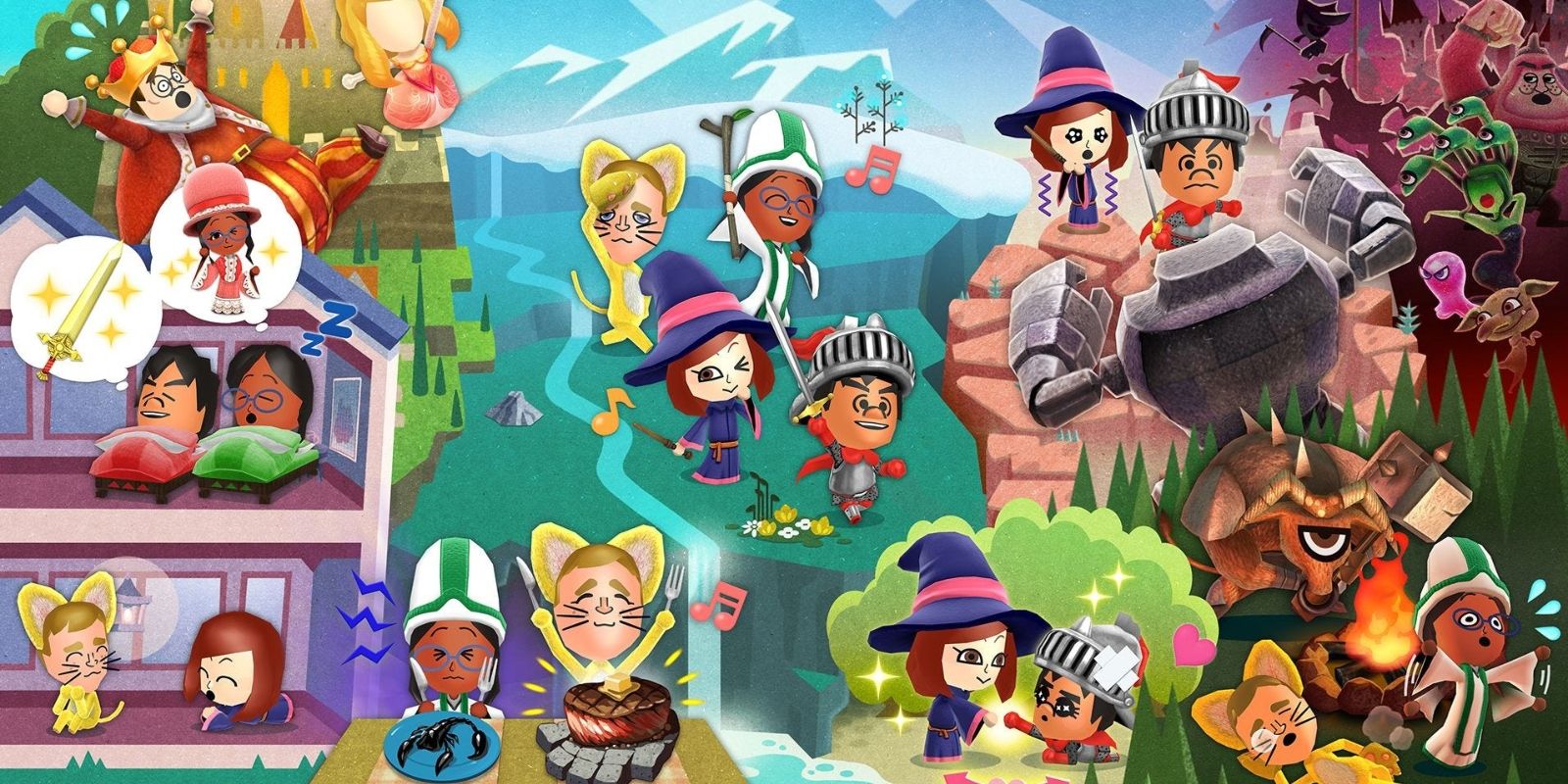
Miitopia
Nintendo · Adventure · 2021
View game page
The Way
Puzzling Dream · Action · 2016
View game page
Spectrum
Digerati Distribution · Action · 2015
View game page
Paint
2020
View game page
OVERWHELM
Ruari O'Sullivan · Action · 2018
View game pageRelated Topics
Explore more articles about these topics:
Source: MyNintendoNews


