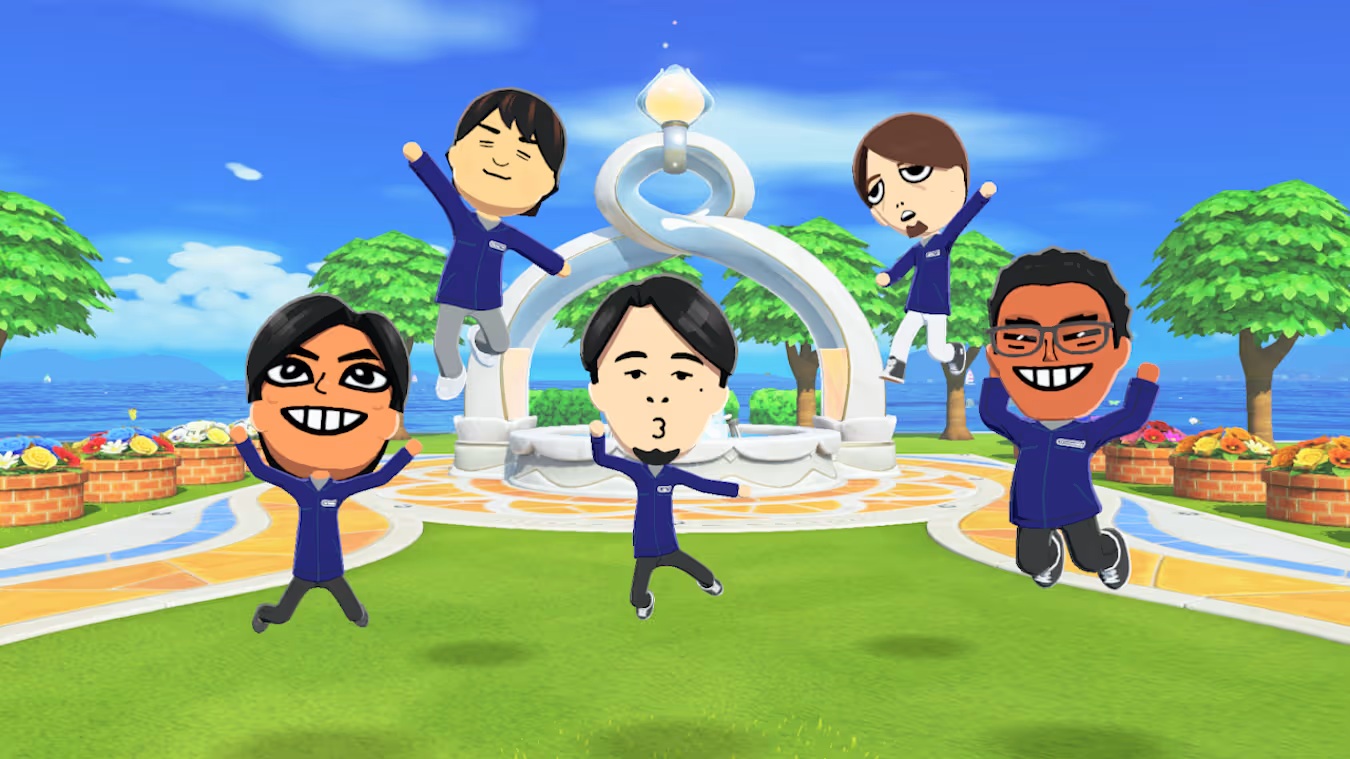
Nintendo’s acclaimed life simulation series has returned to the spotlight with 'Tomodachi Life: Living The Dream.' In a recently published 'Ask The Developer' interview, Nintendo provided a rare, in-depth look at the nine-year development of this much-anticipated title for Nintendo Switch.
From its origins in 2017 through to release, the feature uncovers the collaborative spirit, creative ingenuity, and internal debates that shaped the game’s memorable charm.
First launched as 'Tomodachi Collection' on the Nintendo DS and later making a global impact on the Nintendo 3DS with 'Tomodachi Life,' the series has attracted devoted fans thanks to its distinctive Mii-based humor and unpredictable life simulation.
The latest entry, 'Tomodachi Life: Living The Dream,' builds upon this legacy with significant input from both veteran developers and new team members who grew up playing earlier titles.
Art Director Daisuke Kageyama highlighted the importance of inclusive brainstorming throughout development.
He described how the team used an open idea board, encouraging everyone—regardless of role—to propose features or enhancements.
"Even if a suggestion started as a small comment, someone from another department could pick it up and help turn it into a game feature.
This open collaboration not only sparked creativity but also fostered a shared sense of ownership," Kageyama explained.
He acknowledged that the sheer volume of ideas sometimes made things challenging for the graphics team but stressed that the team’s excitement was crucial in shaping the game’s lively personality.
Programming Director Takaomi Ueno noted how new staff members who were fans of previous Tomodachi Life games on the Nintendo DS and Nintendo 3DS played a vital role.
"Often, it was the younger developers who would insist, with real enthusiasm, that certain features simply had to be included for the game to remain true to the series," Ueno said.
During the final stages of production, there was considerable debate about which features should make the cut as the schedule became tighter.
Kageyama recalled, "Project leads sometimes considered letting go of features, but team members on the ground would assert, 'We absolutely can’t lose this.' Their dedication often tipped the balance, ensuring beloved elements remained in the game."
Director Ryutaro Takahashi shared a story about the iconic 'Mii News' segment, almost dropped due to time constraints.
However, the persistence of a younger designer, who argued that it was essential for the Tomodachi Life experience, helped rally support.
By coordinating with other team members and devising a realistic plan, the designer ensured its inclusion—a testament to the passion fans-turned-developers bring to the franchise.
The interview also delved into the humorous and quirky side of development.
Takahashi revealed that there was an animated debate about whether Miis should have the ability to 'break wind.' While some developers found this addition humorous, others considered it a bit much.
Ultimately, the team decided to include it as an optional quirk, balancing the franchise’s trademark silliness with player choice.
Sound Director Toru Minegishi humorously recalled multiple retakes and feedback sessions to strike the right balance in sound design, while Kageyama mentioned that the visual effects at one point looked more like an explosion than a subtle joke.
'Tomodachi Life: Living The Dream' stands as a testament to Nintendo’s collaborative development philosophy and commitment to fan-driven innovation.
With nine years' worth of creativity, iteration, and passionate teamwork, the title highlights how the integration of fresh ideas and memories from previous games can lead to a compelling experience for both longtime fans and new players on the Nintendo Switch.
From its origins in 2017 through to release, the feature uncovers the collaborative spirit, creative ingenuity, and internal debates that shaped the game’s memorable charm.
First launched as 'Tomodachi Collection' on the Nintendo DS and later making a global impact on the Nintendo 3DS with 'Tomodachi Life,' the series has attracted devoted fans thanks to its distinctive Mii-based humor and unpredictable life simulation.
The latest entry, 'Tomodachi Life: Living The Dream,' builds upon this legacy with significant input from both veteran developers and new team members who grew up playing earlier titles.
Art Director Daisuke Kageyama highlighted the importance of inclusive brainstorming throughout development.
He described how the team used an open idea board, encouraging everyone—regardless of role—to propose features or enhancements.
"Even if a suggestion started as a small comment, someone from another department could pick it up and help turn it into a game feature.
This open collaboration not only sparked creativity but also fostered a shared sense of ownership," Kageyama explained.
He acknowledged that the sheer volume of ideas sometimes made things challenging for the graphics team but stressed that the team’s excitement was crucial in shaping the game’s lively personality.
Programming Director Takaomi Ueno noted how new staff members who were fans of previous Tomodachi Life games on the Nintendo DS and Nintendo 3DS played a vital role.
"Often, it was the younger developers who would insist, with real enthusiasm, that certain features simply had to be included for the game to remain true to the series," Ueno said.
During the final stages of production, there was considerable debate about which features should make the cut as the schedule became tighter.
Kageyama recalled, "Project leads sometimes considered letting go of features, but team members on the ground would assert, 'We absolutely can’t lose this.' Their dedication often tipped the balance, ensuring beloved elements remained in the game."
Director Ryutaro Takahashi shared a story about the iconic 'Mii News' segment, almost dropped due to time constraints.
However, the persistence of a younger designer, who argued that it was essential for the Tomodachi Life experience, helped rally support.
By coordinating with other team members and devising a realistic plan, the designer ensured its inclusion—a testament to the passion fans-turned-developers bring to the franchise.
The interview also delved into the humorous and quirky side of development.
Takahashi revealed that there was an animated debate about whether Miis should have the ability to 'break wind.' While some developers found this addition humorous, others considered it a bit much.
Ultimately, the team decided to include it as an optional quirk, balancing the franchise’s trademark silliness with player choice.
Sound Director Toru Minegishi humorously recalled multiple retakes and feedback sessions to strike the right balance in sound design, while Kageyama mentioned that the visual effects at one point looked more like an explosion than a subtle joke.
'Tomodachi Life: Living The Dream' stands as a testament to Nintendo’s collaborative development philosophy and commitment to fan-driven innovation.
With nine years' worth of creativity, iteration, and passionate teamwork, the title highlights how the integration of fresh ideas and memories from previous games can lead to a compelling experience for both longtime fans and new players on the Nintendo Switch.


