The Legend of Zelda: Breath of the Wild Review – Revolutionizing the Zelda Franchise on Nintendo Switch and Wii U
The release of The Legend of Zelda: Breath of the Wild marked a watershed moment for one of Nintendo’s most iconic franchises. Launching simultaneously on the Nintendo Switch and Wii U in March 2017, Breath of the Wild redefined expectations for open-world adventures and became a flagship title for the Switch’s debut. Developed by Nintendo EPD under the leadership of Eiji Aonuma, the game both honors and upends the traditions of the Zelda series, inviting players to explore new mechanics, nonlinear gameplay, and a vast reimagined Hyrule. As of 2023, the game has sold more than 30 million units globally, earning both critical acclaim (with a Metacritic score of 97) and a devoted fanbase eager to revisit Link’s journey.
A New Chapter in Zelda Storytelling
Unlike its predecessors, Breath of the Wild adopts a dynamic approach to storytelling, allowing players to piece together the narrative based on their personal exploration across the game’s expansive world. Cutscenes and lore are triggered in a non-linear fashion, causing the story to unfold differently depending on a player’s path. This structure facilitates immersion but can make the sequence of events feel fragmented, especially when long periods of exploration separate story moments. While the addition of full voice acting is a noteworthy innovation—delivering strong emotional beats overall—some dialogue delivery occasionally lacks naturalism. Despite these minor shortcomings, Breath of the Wild’s storytelling approach encourages players to invest in the world at their own pace, albeit sometimes at the expense of deeper character development.
Gameplay Innovation and Exploration
Breath of the Wild is lauded for bringing sweeping changes to core gameplay. Immediately notable are the Sheikah Runes—such as Magnesis, Cryonis, and Stasis—which empower Link to manipulate the environment in creative ways, adding depth to both combat and puzzles. The robust physics engine, dynamic weather systems, and a comprehensive cooking mechanic enhance player agency and strategic thinking.
Combat has also evolved, rewarding skill and timing with mechanics like the shield parry and Flurry Rush. Players seeking a challenge will find mastering these defenses essential, especially when facing formidable enemies such as Guardians and Lynels. Although weapon durability sparked debate among fans, it adds another layer of strategy—forcing adaptation rather than reliance on a single weapon.
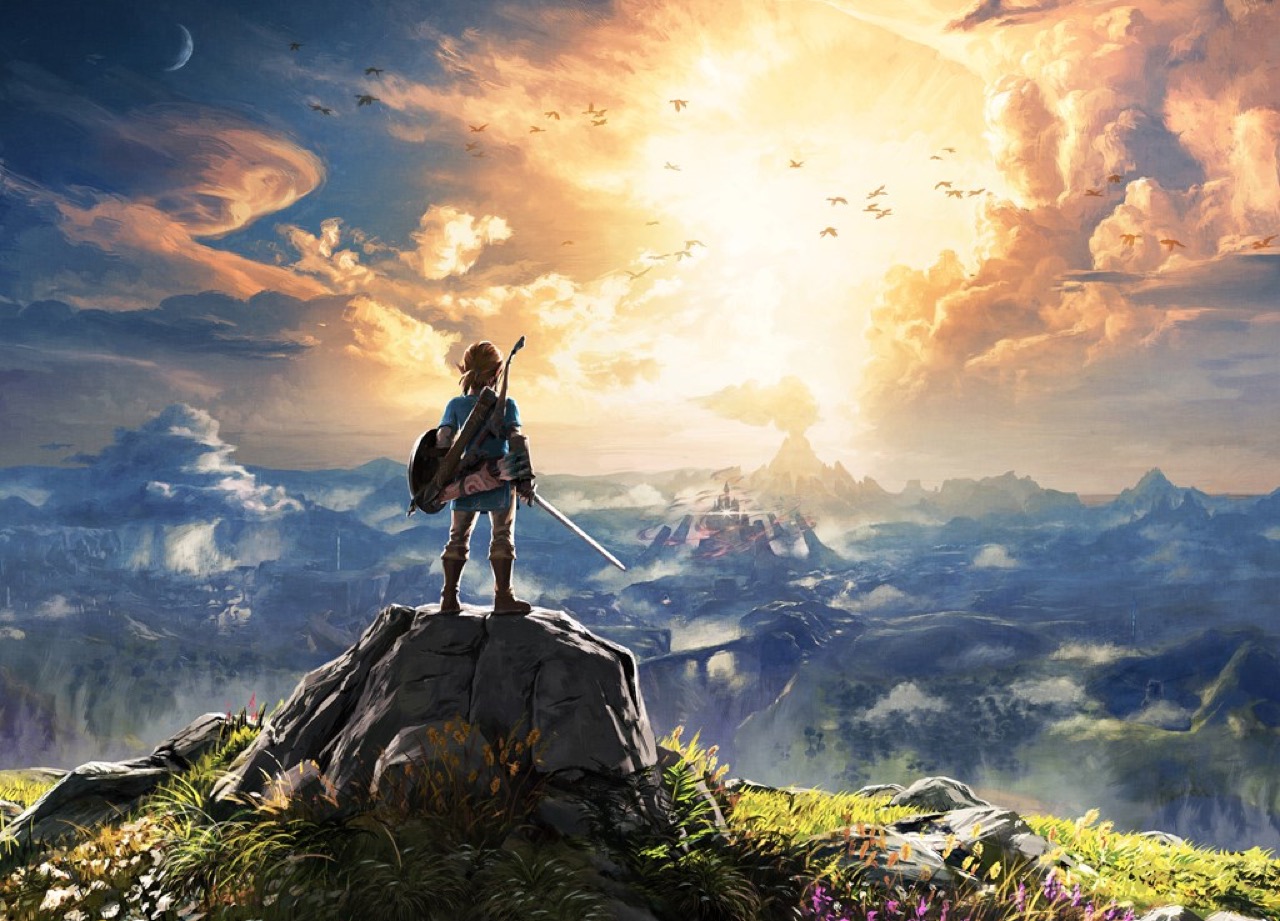
The vast, handcrafted world of Hyrule stands as Breath of the Wild’s crowning achievement. With regions ranging from snowy peaks to volcanic crags, players can spend hundreds of hours uncovering secrets, tackling side quests, and interacting with a diverse cast across vibrant towns and villages. The game’s minimalist interface and stylized visuals, inspired by previous entries like Skyward Sword and Wind Waker, foster an aesthetic that remains timeless.
Dungeons, Bosses, and Room for Improvement
While Breath of the Wild excels in world-building and innovation, it notably shifts away from traditional Zelda dungeon design. The primary dungeons (Divine Beasts) share similar aesthetics and puzzle themes, leading to critiques of repetitive bosses and less memorable dungeon experiences. Many fans lamented the absence of the series’ classic, intricate dungeons and more varied boss encounters. These changes underscore the development team’s commitment to breaking formula, though they may leave veterans wanting certain classic features.
Performance and Platform Parity
The game launched as both a Nintendo Switch showcase and as the final first-party title for the Wii U. While both versions offer near-identical gameplay, minor technical differences exist. Frame rate drops can occur on either system, but neither version is considered unplayable. The Wii U features unique aspects like Off-TV play and Miiverse integration, while the Switch brings portable play and easier access via the eShop.
Expansion Pass: The Master Trials & Champions’ Ballad
Nintendo expanded Breath of the Wild’s world with two major DLC packs as part of the Expansion Pass, released in 2017–2018. The Master Trials focused on increasing difficulty and utility, introducing the extensive Trial of the Sword, Master Mode, and useful features like Hero’s Path and the Travel Medallion. Meanwhile, The Champions’ Ballad offered additional story content, new shrines, and a new dungeon, culminating in the unlockable Master Cycle Zero.
Although the Expansion Pass adds value with varied content and rewards, it inherits some of the main game’s shortcomings—particularly in dungeon uniqueness and boss complexity. Dedicated fans may prize the new challenges and story beats, but those looking for a return to traditional Zelda dungeons may remain unsatisfied.
Final Verdict
The Legend of Zelda: Breath of the Wild remains a masterpiece that propels the Zelda franchise into uncharted territory. Its influence on open-world game design is undeniable, and its sweeping changes have sparked both celebration and thoughtful critique. While not without its flaws, Breath of the Wild delivers an experience that stands among the best in gaming, whether played on the Nintendo Switch or Wii U. For seasoned fans and newcomers alike, it represents a must-play journey and a bold new benchmark for Nintendo’s legendary series.
The Legend of Zelda: Breath of the Wild Review – Revolutionizing the Zelda Franchise on Nintendo Switch and Wii U
Nintendo News Hub
Related Topics
Explore more articles about these topics:
Source: PureNintendo


