
Bravely Default II launched for Nintendo Switch on February 26, 2021.
Developed by Claytechworks and published by Square Enix, the title returned the series’ signature job-based progression and the brave/default combat mechanic to Nintendo’s hybrid platform.
A free demo was available on the Nintendo eShop ahead of release, giving players a hands-on preview prior to the full launch.
Unlike the first two Bravely titles — Bravely Default and Bravely Second: End Layer, which released on Nintendo 3DS — Bravely Default II is presented as a standalone story with a new cast.
That design makes prior knowledge of the 3DS entries unnecessary for newcomers.
The game pairs traditional turn-based JRPG systems with modern quality-of-life changes: visible enemies on the overworld, an expedition system that replaces 3DS-era StreetPass features, and support NPCs who occasionally assist in battle.
The core gameplay remains the job system that defines the series.
Players earn Asterisks to unlock jobs such as thief, ranger, berserker, and white mage, and skills are expanded by using a job to raise its level.
The brave/default mechanic also returns: defaulting stores BP and brave consumes BP to execute multiple actions in a single turn.
In journalistic terms, the reviewer advised players to prioritize job progression and aim to fully develop key classes to maximize effectiveness.
On combat pacing, Bravely Default II updates earlier mechanics by moving to individual, speed-based turns.
A visible action meter indicates when characters can act, while enemies show cues before their turns.
This system reduces frustrating counterplay scenarios present in prior entries and streamlines tactical decision-making.
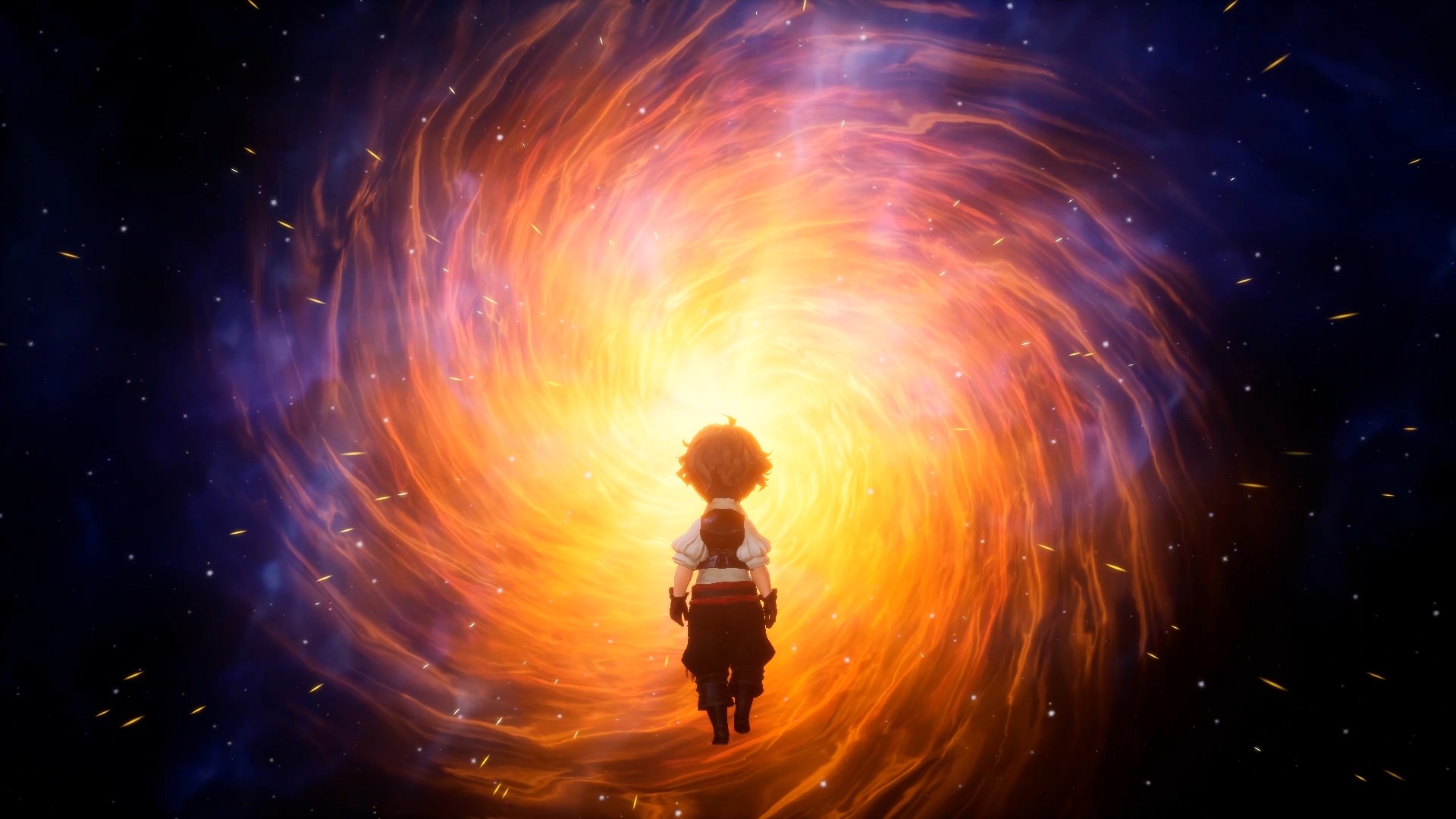
The Switch port preserves the series’ painterly visuals and layered dungeon design, but the UI trade-offs from 3DS are noticeable: the world map can be resized but dungeon mapping lacks the dual-screen convenience of the 3DS.
Towns and environments retain charm but read differently on a single, flat display compared with the original handheld presentation.
The reviewer also called out ancillary content.
A tactical card minigame exists within Bravely Default II; the reviewer criticized its prominence because it factors into certain job unlocks.
Support characters and the expedition mechanic were praised for adding flexibility to progression and resource gathering.
Overall, Bravely Default II on Nintendo Switch is a strong JRPG iteration that refines combat and job systems while adapting the series’ handheld roots for a single-screen experience.
Claytechworks and Square Enix delivered a title that will appeal to players who value deep character management and classic turn-based encounters.
Developed by Claytechworks and published by Square Enix, the title returned the series’ signature job-based progression and the brave/default combat mechanic to Nintendo’s hybrid platform.
A free demo was available on the Nintendo eShop ahead of release, giving players a hands-on preview prior to the full launch.
Unlike the first two Bravely titles — Bravely Default and Bravely Second: End Layer, which released on Nintendo 3DS — Bravely Default II is presented as a standalone story with a new cast.
That design makes prior knowledge of the 3DS entries unnecessary for newcomers.
The game pairs traditional turn-based JRPG systems with modern quality-of-life changes: visible enemies on the overworld, an expedition system that replaces 3DS-era StreetPass features, and support NPCs who occasionally assist in battle.
The core gameplay remains the job system that defines the series.
Players earn Asterisks to unlock jobs such as thief, ranger, berserker, and white mage, and skills are expanded by using a job to raise its level.
The brave/default mechanic also returns: defaulting stores BP and brave consumes BP to execute multiple actions in a single turn.
In journalistic terms, the reviewer advised players to prioritize job progression and aim to fully develop key classes to maximize effectiveness.
On combat pacing, Bravely Default II updates earlier mechanics by moving to individual, speed-based turns.
A visible action meter indicates when characters can act, while enemies show cues before their turns.
This system reduces frustrating counterplay scenarios present in prior entries and streamlines tactical decision-making.
The Switch port preserves the series’ painterly visuals and layered dungeon design, but the UI trade-offs from 3DS are noticeable: the world map can be resized but dungeon mapping lacks the dual-screen convenience of the 3DS.
Towns and environments retain charm but read differently on a single, flat display compared with the original handheld presentation.
The reviewer also called out ancillary content.
A tactical card minigame exists within Bravely Default II; the reviewer criticized its prominence because it factors into certain job unlocks.
Support characters and the expedition mechanic were praised for adding flexibility to progression and resource gathering.
Overall, Bravely Default II on Nintendo Switch is a strong JRPG iteration that refines combat and job systems while adapting the series’ handheld roots for a single-screen experience.
Claytechworks and Square Enix delivered a title that will appeal to players who value deep character management and classic turn-based encounters.