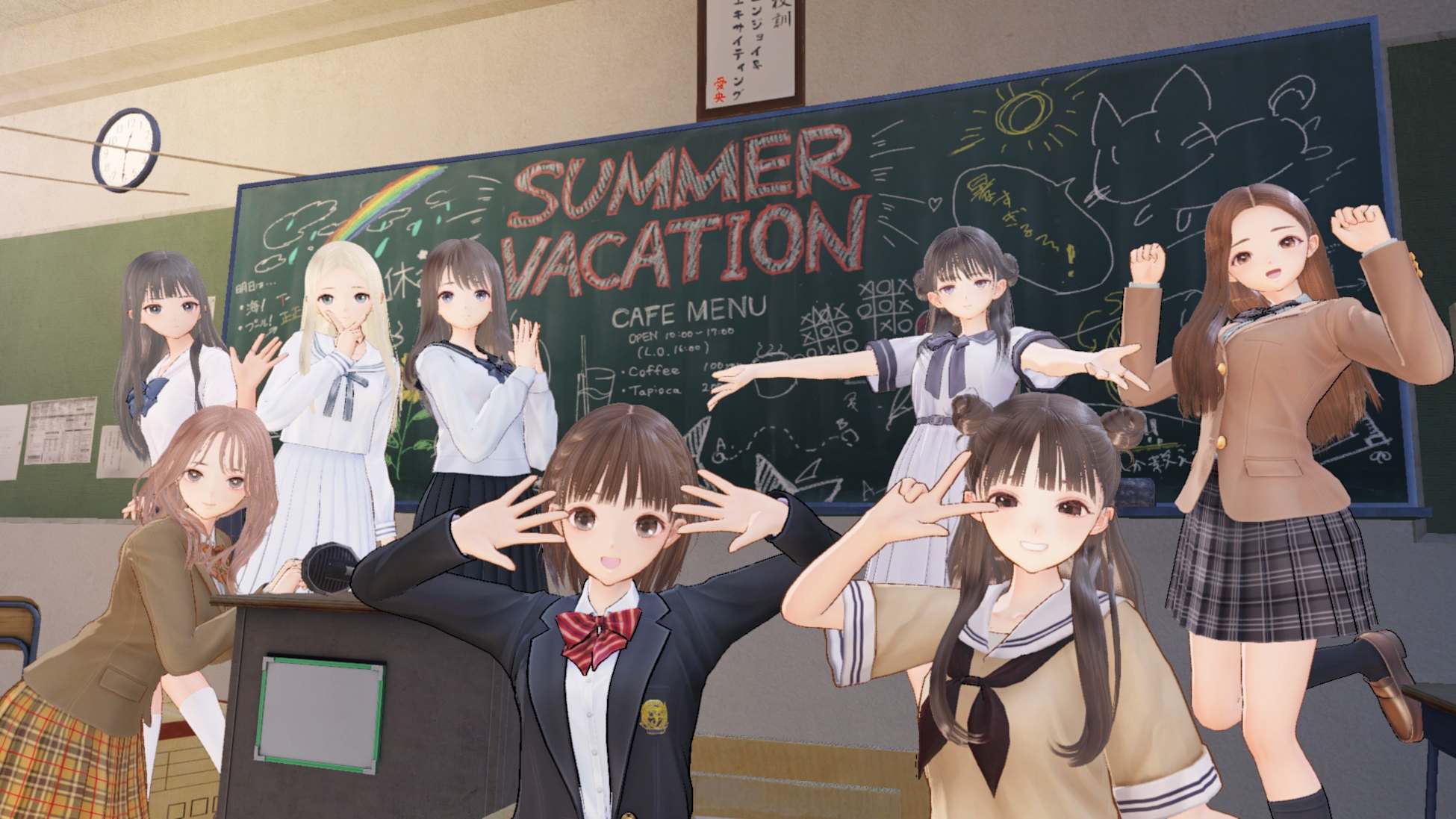

Blue Reflection: Second Light — developed by Gust and published by Koei Tecmo — arrived in 2021 as the narrative-driven sequel to 2017’s Blue Reflection.
Released for PlayStation 4, Nintendo Switch and PC (Steam), Second Light shifts the franchise away from mech-like spectacle toward an intimate JRPG centered on memory, friendship and small, meaningful systems.
The Nintendo Switch edition and a playable demo on the eShop made the game accessible to portable players and those curious about Gust’s softer take on the genre.
Story and structure
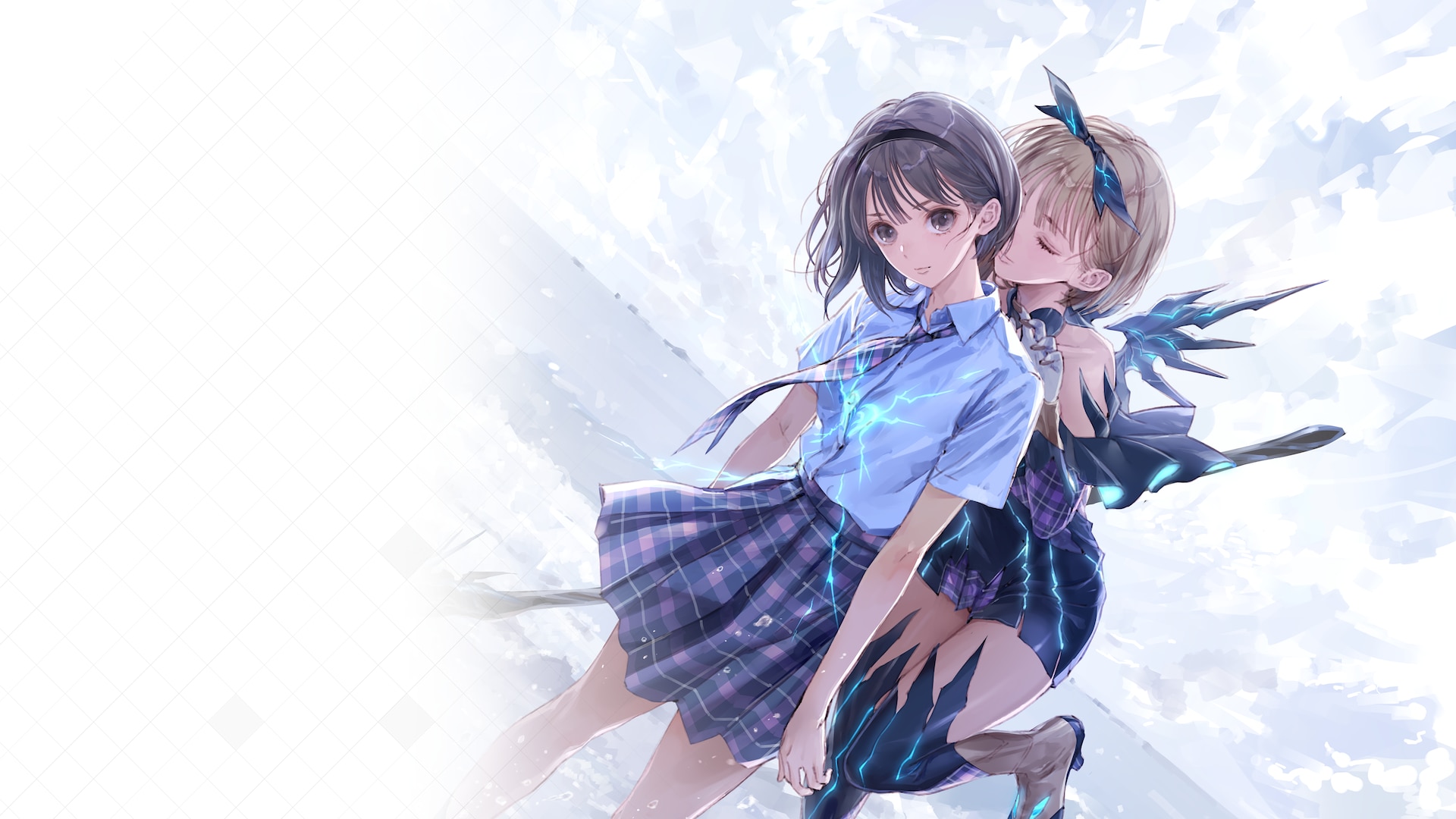
Second Light follows Ao, a student who awakens at a maintained but deserted school surrounded by an endless ocean.
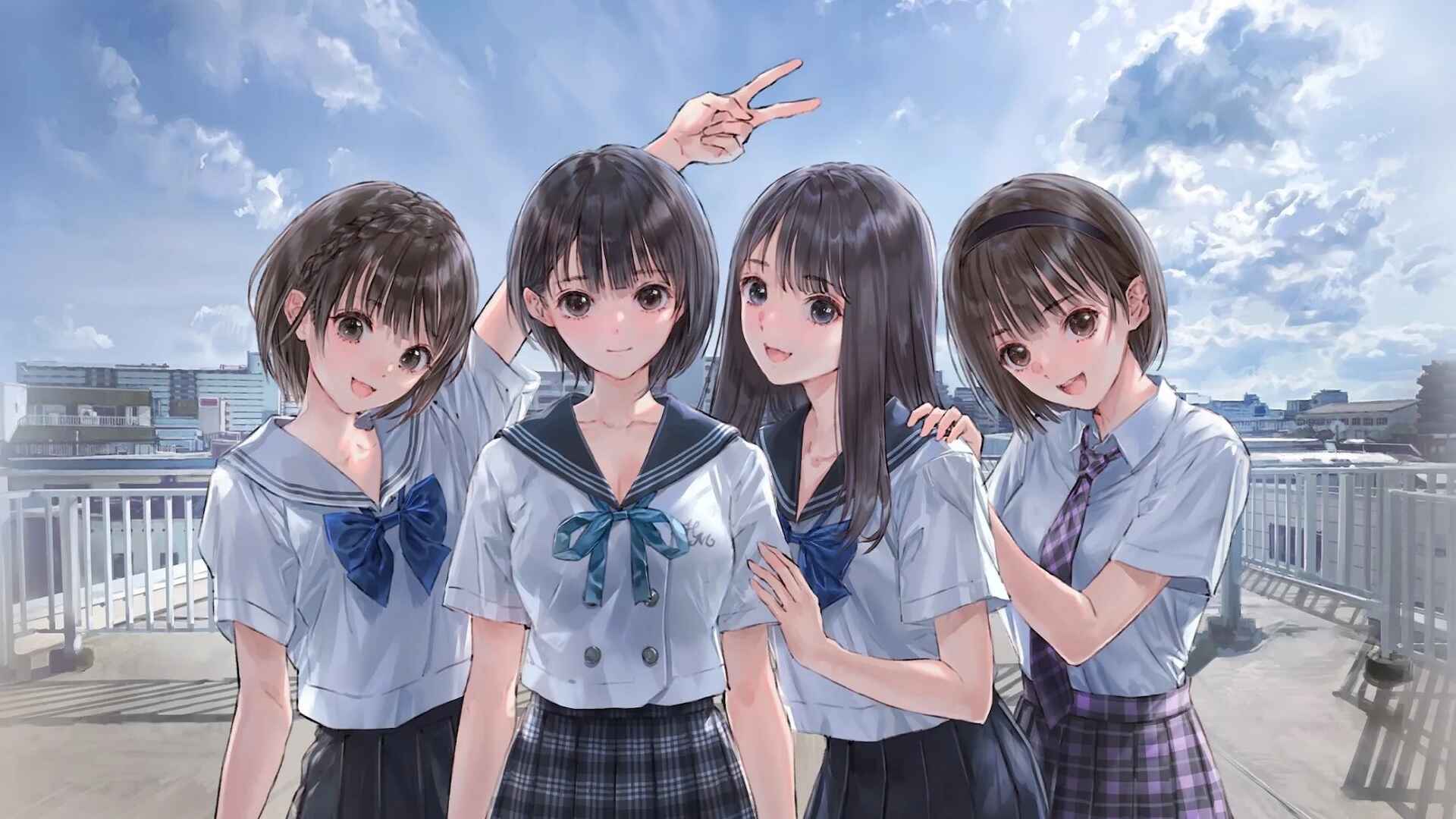
She and a handful of other girls—Kokoro, Yuki and Rena—must piece together lost memories while the group chat contact known as ReSource provides cryptic guidance.
Unlike many JRPGs that foreground grand battles against gods, Blue Reflection: Second Light makes the support network between characters the narrative centerpiece: exploring personal histories, restoring relationships and reconstructing the school’s facilities drive both story and progression.
Gameplay systems explained
At the heart of the game are the Heartscapes—memory-themed dungeon areas where characters recover fragments of their past.
Exploration feeds the crafting loop: players gather materials in Heartscapes and around the school to build instruments, stalls and furniture.
These items aren’t cosmetic breadcrumbs; each crafted addition (a coffee stand, a flowerbed, a swing) provides tangible in-battle bonuses or passive benefits that improve party performance.
Combat blends real-time movement and a turn-bar mechanic.
Three active characters slide along the turn gauge; advancing further enables stronger commands but delays execution, creating a risk-versus-reward tempo.
Manual control is a viable option, and support characters offer preset buffs and deployable crafted items.
Combos are crucial—damage scales with chain length, and broken combos leave parties vulnerable, especially during boss encounters.
Strengths and issues
Reviewers and players have praised Second Light’s character work, evocative Heartscape design and the way crafting and relationships integrate with combat.
The game is accessible for newcomers: systems are deep enough for strategy without demanding heavy grind.
However, critics have noted repetitive combat pacing across similarly themed Heartscapes, longer-than-expected load times, occasional graphical glitches and a dissonance between the game’s empathetic themes and recurring fanservice-driven presentation.
Conclusion
Blue Reflection: Second Light is a distinct, character-first JRPG from Gust that leverages crafting and relationship mechanics to support both storytelling and combat.
On Nintendo Switch the title offers portable access to a tender, if occasionally flawed, experience; the free demo on the eShop remains a straightforward way for players to see if Ao and her friends resonate before committing to the full game.
Released for PlayStation 4, Nintendo Switch and PC (Steam), Second Light shifts the franchise away from mech-like spectacle toward an intimate JRPG centered on memory, friendship and small, meaningful systems.
The Nintendo Switch edition and a playable demo on the eShop made the game accessible to portable players and those curious about Gust’s softer take on the genre.
Story and structure
Second Light follows Ao, a student who awakens at a maintained but deserted school surrounded by an endless ocean.
She and a handful of other girls—Kokoro, Yuki and Rena—must piece together lost memories while the group chat contact known as ReSource provides cryptic guidance.
Unlike many JRPGs that foreground grand battles against gods, Blue Reflection: Second Light makes the support network between characters the narrative centerpiece: exploring personal histories, restoring relationships and reconstructing the school’s facilities drive both story and progression.
Gameplay systems explained
At the heart of the game are the Heartscapes—memory-themed dungeon areas where characters recover fragments of their past.
Exploration feeds the crafting loop: players gather materials in Heartscapes and around the school to build instruments, stalls and furniture.
These items aren’t cosmetic breadcrumbs; each crafted addition (a coffee stand, a flowerbed, a swing) provides tangible in-battle bonuses or passive benefits that improve party performance.
Combat blends real-time movement and a turn-bar mechanic.
Three active characters slide along the turn gauge; advancing further enables stronger commands but delays execution, creating a risk-versus-reward tempo.
Manual control is a viable option, and support characters offer preset buffs and deployable crafted items.
Combos are crucial—damage scales with chain length, and broken combos leave parties vulnerable, especially during boss encounters.
Strengths and issues
Reviewers and players have praised Second Light’s character work, evocative Heartscape design and the way crafting and relationships integrate with combat.
The game is accessible for newcomers: systems are deep enough for strategy without demanding heavy grind.
However, critics have noted repetitive combat pacing across similarly themed Heartscapes, longer-than-expected load times, occasional graphical glitches and a dissonance between the game’s empathetic themes and recurring fanservice-driven presentation.
Conclusion
Blue Reflection: Second Light is a distinct, character-first JRPG from Gust that leverages crafting and relationship mechanics to support both storytelling and combat.
On Nintendo Switch the title offers portable access to a tender, if occasionally flawed, experience; the free demo on the eShop remains a straightforward way for players to see if Ao and her friends resonate before committing to the full game.