
During a Tokyo Game Show appearance, Sonic Team head Takashi Iizuka confirmed he had to battle internally at Sega to prevent the Sonic the Hedgehog franchise from being retired during its lowest moments.
Iizuka described a period when higher-level executives had suggested canceling the franchise, and he successfully advocated within the organization to preserve Sonic as a working property.
Iizuka framed the franchise's fortunes as cyclical, noting there were periods of both success and struggle.
He identified the first live-action Sonic movie, released in February 2020, as a turning point that elevated the character's profile and made continuation easier for the team.
The 2020 film was a commercial success, and its sequel, Sonic the Hedgehog 2, followed in April 2022, further expanding Sonic's reach in film and television.
Despite the broader media success, Iizuka reiterated that Sonic's identity remains firmly rooted in video games.
He emphasized Sonic Team's core principle that interactive experiences are the foundation for the franchise and that cross-media projects will be built upon those gaming roots.
Sonic's origins date back to 1991, when the first Sonic the Hedgehog debuted on the Sega Genesis/Mega Drive.
Over more than three decades, Sonic has appeared across consoles, PC, mobile and streaming media.
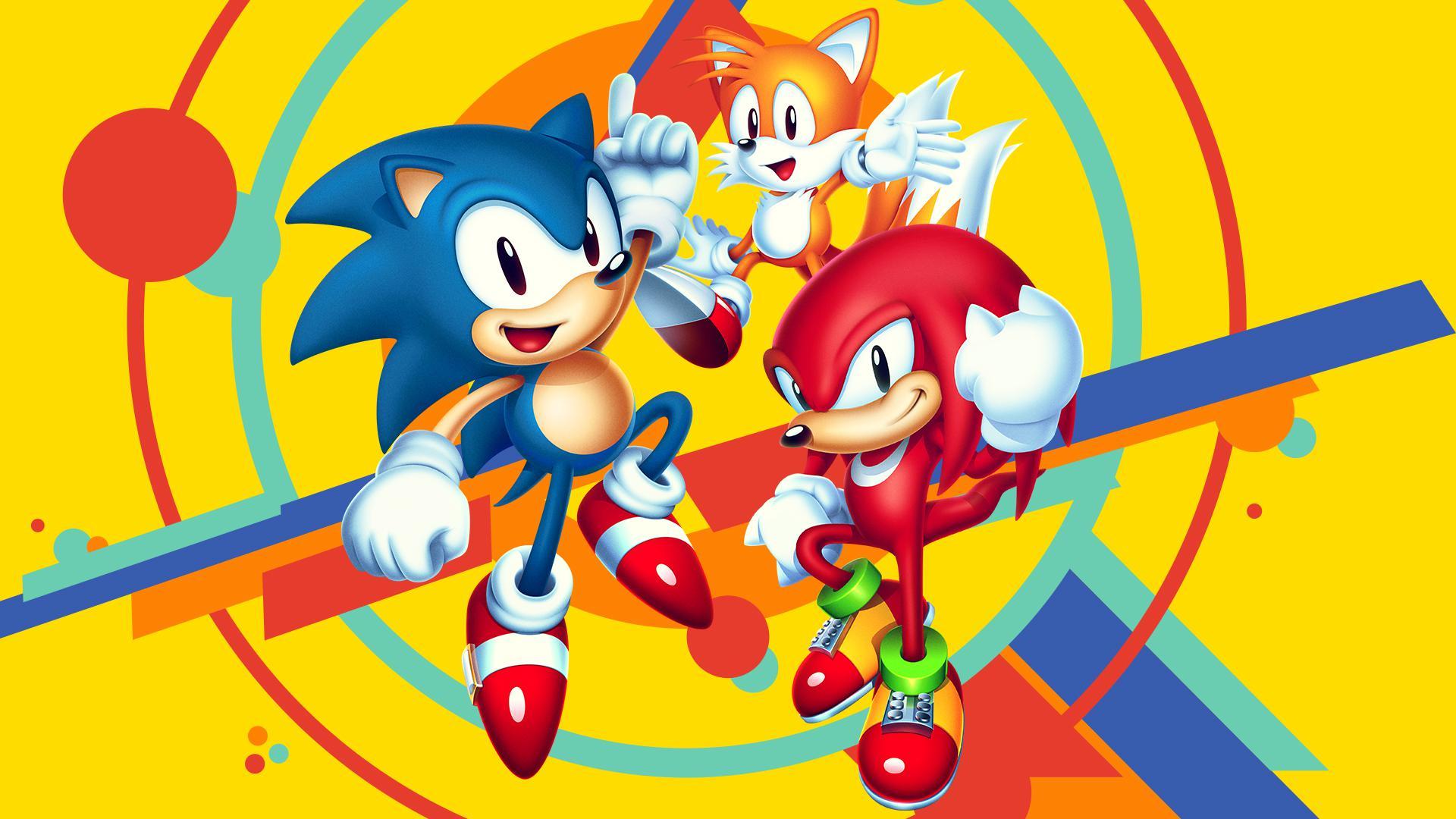
The franchise also maintains a presence on Nintendo hardware; recent and notable releases on Nintendo Switch include Sonic Mania, a critically praised 2017 title developed in part by Christian Whitehead and collaborators, and Sonic Colors: Ultimate, a remaster released in 2021.
These Switch versions are available through the Nintendo eShop and retail channels, reflecting Sonic's multi-platform strategy.
Iizuka's comments underscore a long-term commitment at Sonic Team to prioritize games even as Sonic expands into films and TV.
For Nintendo Switch owners and franchise followers, that means future cross-media projects are expected to complement — not replace — new and ongoing Sonic game releases.
With a legacy that began on the Mega Drive and now spans consoles and cinema, Sonic continues to be both a character with broad popular recognition and a development priority for Sega's game teams.
Iizuka described a period when higher-level executives had suggested canceling the franchise, and he successfully advocated within the organization to preserve Sonic as a working property.
Iizuka framed the franchise's fortunes as cyclical, noting there were periods of both success and struggle.
He identified the first live-action Sonic movie, released in February 2020, as a turning point that elevated the character's profile and made continuation easier for the team.
The 2020 film was a commercial success, and its sequel, Sonic the Hedgehog 2, followed in April 2022, further expanding Sonic's reach in film and television.
Despite the broader media success, Iizuka reiterated that Sonic's identity remains firmly rooted in video games.
He emphasized Sonic Team's core principle that interactive experiences are the foundation for the franchise and that cross-media projects will be built upon those gaming roots.
Sonic's origins date back to 1991, when the first Sonic the Hedgehog debuted on the Sega Genesis/Mega Drive.
Over more than three decades, Sonic has appeared across consoles, PC, mobile and streaming media.
The franchise also maintains a presence on Nintendo hardware; recent and notable releases on Nintendo Switch include Sonic Mania, a critically praised 2017 title developed in part by Christian Whitehead and collaborators, and Sonic Colors: Ultimate, a remaster released in 2021.
These Switch versions are available through the Nintendo eShop and retail channels, reflecting Sonic's multi-platform strategy.
Iizuka's comments underscore a long-term commitment at Sonic Team to prioritize games even as Sonic expands into films and TV.
For Nintendo Switch owners and franchise followers, that means future cross-media projects are expected to complement — not replace — new and ongoing Sonic game releases.
With a legacy that began on the Mega Drive and now spans consoles and cinema, Sonic continues to be both a character with broad popular recognition and a development priority for Sega's game teams.