Background
SEGA Sammy CEO Haruki Satomi has publicly reflected on a turbulent chapter in Sonic the Hedgehog history, tracing a path from the poorly received Sonic Boom releases in 2014 to the fan-driven success of Sonic Mania in 2017.
The comments appeared in an interview with Nikkei and revisit how franchise missteps and external feedback shaped SEGA's strategy across games and film.
What went wrong with Sonic Boom
Sonic Boom: Rise of Lyric launched in November 2014 for Nintendo's Wii U and was developed by Big Red Button Studios, while a separate Sonic Boom title for Nintendo 3DS, Sonic Boom: Shattered Crystal, was handled by Sanzaru Games.
The Wii U entry drew overwhelmingly negative reviews and Metacritic scores in the 30s, reflecting widespread criticism of its design and technical state.
Satomi acknowledged that the series' reputation had been dented by those releases.
Satomi on course correction and Sonic Mania
Satomi told Nikkei that SEGA recognized the need to rebuild trust with the fanbase and took a deliberate 'fresh start' approach.
In journalistic terms, he said SEGA admitted failures within the Sonic franchise and deliberately pivoted to a project that honored the series roots.
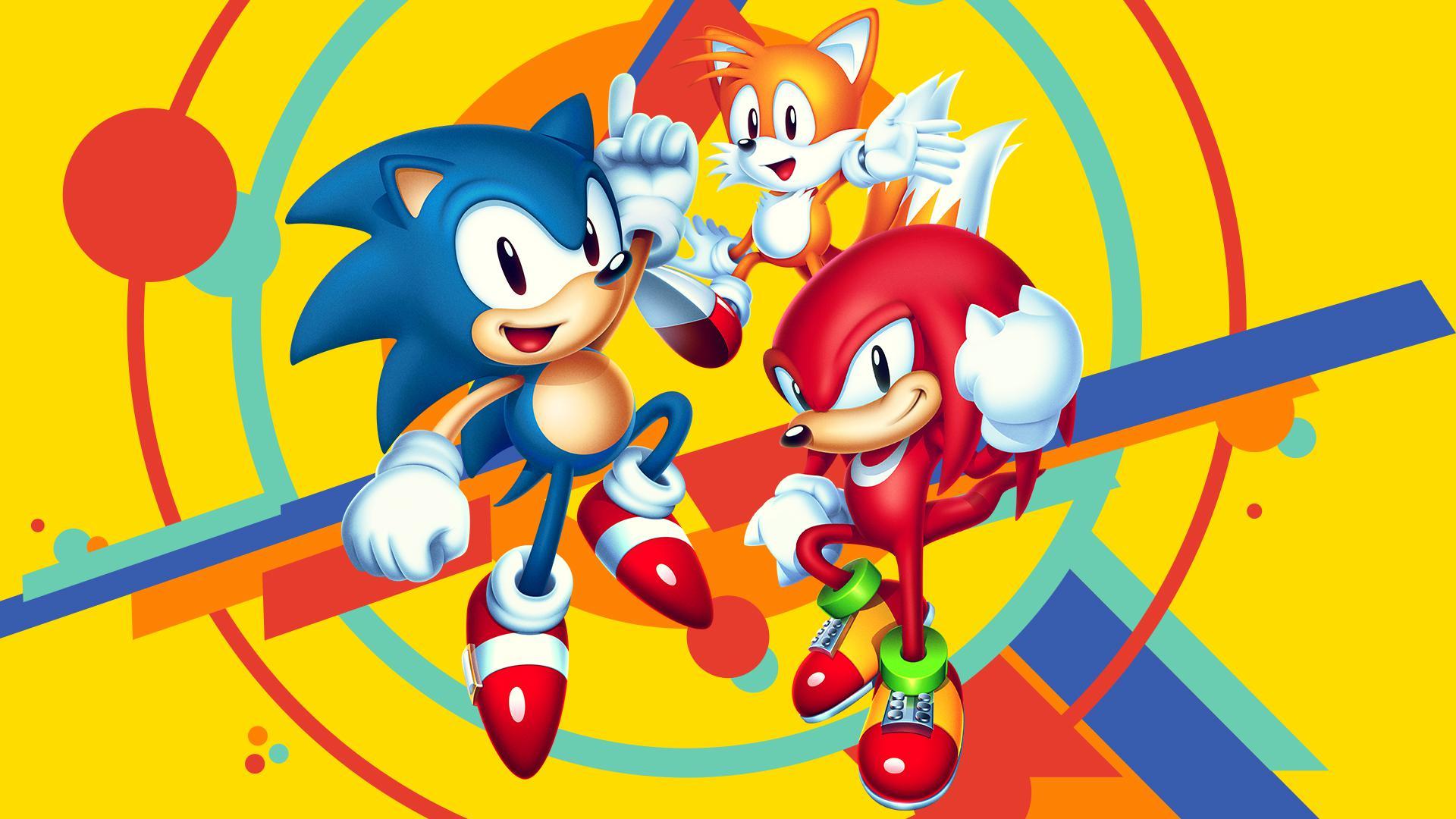
That effort produced Sonic Mania, released in August 2017 and developed by Christian Whitehead, Headcannon and PagodaWest Games.
Sonic Mania was widely praised and holds an 86 average on Metacritic, a critical turnaround that Satomi described as the catalyst for Sonic's revival.
Film response and character redesign
Satomi also revisited the controversy around the first live-action Sonic film, in which early character designs prompted strong negative reaction.
He explained that Paramount Pictures and SEGA took the backlash seriously, postponing the film from late 2019 into early 2020 to redesign Sonic for broader acceptance.
That decision preceded the film's successful box-office launch and the establishment of a movie series.
Legacy and industry context
Satomi's reflections underscore how SEGA has adapted to both market feedback and critical reception across platforms such as Wii U and the Nintendo Switch eShop.
The company has leaned on collaborations with outside developers and community-driven projects to regain momentum.
Separately, the head of Sonic Team has noted the internal pressure to achieve high Metascores with future Sonic releases, highlighting how review aggregation continues to influence development priorities.
Taken together, SEGA Sammy's candid appraisal of past mistakes and its subsequent strategic shifts illustrate a rare example of a major publisher responding directly to fan and critical feedback to steer a long-running IP back toward relevance.