The persistent challenge of plastic yellowing on classic gaming consoles such as the Nintendo SNES and NES has long been a topic of concern for retro enthusiasts and collectors.
Over the years, fans have turned to the restoration method called “retrobrighting” — a chemical process designed to restore aged, yellowed plastic shells to their original color.
However, a recently completed 10-year investigation by content creator Shelby Jueden, widely known on YouTube as Tech Tangents, has cast new doubt on the safety and effectiveness of retrobrighting older Nintendo hardware and similar vintage systems.
The phenomenon of yellowing occurs due to the use of fire-retardant chemicals in the manufacturing of early gaming consoles, including those by Nintendo.
As these chemicals oxidize with exposure to heat and light, the once-bright white or gray plastic begins to discolor.
For many in the retro gaming community, retrobrighting — typically involving hydrogen peroxide treatments — became a go-to solution for rejuvenating the appearance of aging systems.
In a recently published video, Jueden documented the results of a unique, decade-long experiment.
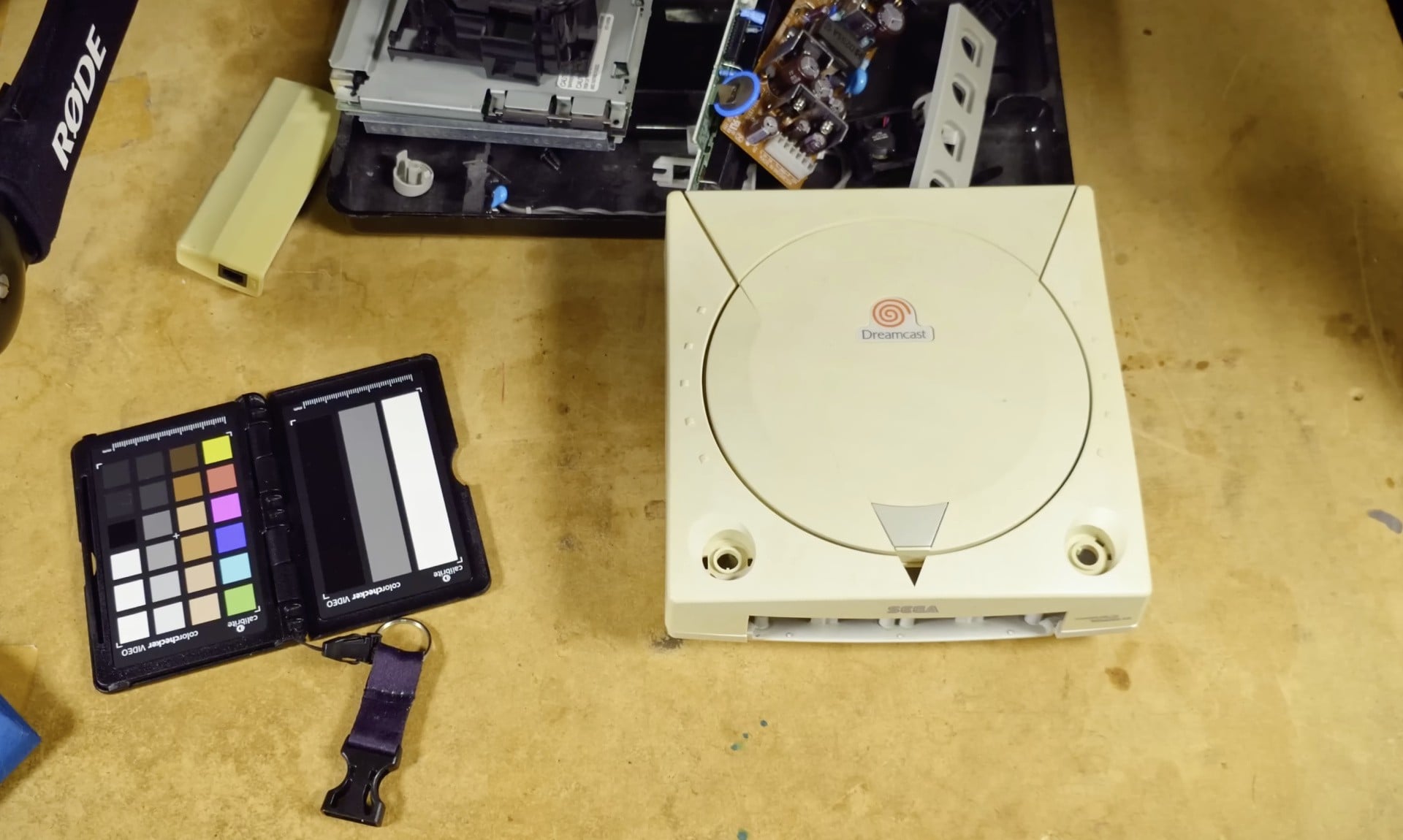
In 2015, he partially treated a Sega Dreamcast with the retrobright method, leaving one section restored and another untouched as a control.
Jueden then stored the disassembled console under identical conditions, returning to assess the plastic’s condition in 2024.
The findings were both surprising and concerning: the retrobrighted section of the Dreamcast, rather than retaining its restored appearance, had yellowed even more severely than the untreated portion.
Additionally, Jueden observed physical damage to the plastic, including streaks and blotches, attributed directly to the retrobright process.
Reflecting on the experiment, Jueden stated that, based on these results, he would discontinue using retrobrighting on his personal collection of retro hardware.
This view resonates with preservationists, who have warned of potential long-term risks posed by chemical restoration techniques — especially for rare or irreplaceable units like early revisions of the Nintendo Entertainment System.
The implications are clear: while retrobrighting may offer short-term visual improvements for Nintendo consoles and other vintage devices, Jueden’s research indicates it could cause irreversible damage over the long haul.
With the Nintendo Switch and contemporary Nintendo hardware now prevalent, the findings serve as a crucial reminder for collectors looking to maintain the integrity of older systems.
As preservation becomes a growing priority in the retro gaming community, enthusiasts are encouraged to weigh the pros and cons of restoration methods before applying them to prized hardware.
For anyone committed to protecting the legacy of Nintendo platforms — from the NES and SNES to the Nintendo Switch — staying informed on the latest research and best practices is essential.
Jueden’s decade-spanning study stands as a valuable reference point for console owners, restoration experts, and gaming historians alike.
Over the years, fans have turned to the restoration method called “retrobrighting” — a chemical process designed to restore aged, yellowed plastic shells to their original color.
However, a recently completed 10-year investigation by content creator Shelby Jueden, widely known on YouTube as Tech Tangents, has cast new doubt on the safety and effectiveness of retrobrighting older Nintendo hardware and similar vintage systems.
The phenomenon of yellowing occurs due to the use of fire-retardant chemicals in the manufacturing of early gaming consoles, including those by Nintendo.
As these chemicals oxidize with exposure to heat and light, the once-bright white or gray plastic begins to discolor.
For many in the retro gaming community, retrobrighting — typically involving hydrogen peroxide treatments — became a go-to solution for rejuvenating the appearance of aging systems.
In a recently published video, Jueden documented the results of a unique, decade-long experiment.
In 2015, he partially treated a Sega Dreamcast with the retrobright method, leaving one section restored and another untouched as a control.
Jueden then stored the disassembled console under identical conditions, returning to assess the plastic’s condition in 2024.
The findings were both surprising and concerning: the retrobrighted section of the Dreamcast, rather than retaining its restored appearance, had yellowed even more severely than the untreated portion.
Additionally, Jueden observed physical damage to the plastic, including streaks and blotches, attributed directly to the retrobright process.
Reflecting on the experiment, Jueden stated that, based on these results, he would discontinue using retrobrighting on his personal collection of retro hardware.
This view resonates with preservationists, who have warned of potential long-term risks posed by chemical restoration techniques — especially for rare or irreplaceable units like early revisions of the Nintendo Entertainment System.
The implications are clear: while retrobrighting may offer short-term visual improvements for Nintendo consoles and other vintage devices, Jueden’s research indicates it could cause irreversible damage over the long haul.
With the Nintendo Switch and contemporary Nintendo hardware now prevalent, the findings serve as a crucial reminder for collectors looking to maintain the integrity of older systems.
As preservation becomes a growing priority in the retro gaming community, enthusiasts are encouraged to weigh the pros and cons of restoration methods before applying them to prized hardware.
For anyone committed to protecting the legacy of Nintendo platforms — from the NES and SNES to the Nintendo Switch — staying informed on the latest research and best practices is essential.
Jueden’s decade-spanning study stands as a valuable reference point for console owners, restoration experts, and gaming historians alike.