
Resident Evil Village on Nintendo Switch 2: Performance Review and Version Comparison
When Capcom’s Resident Evil Village released in May 2021 for PlayStation 4, PlayStation 5, Xbox One, Xbox Series X|S, and PC, it quickly established itself as a standout entry in the acclaimed survival horror series.
Since launch, Resident Evil Village has seen an impressive array of ports, including native macOS, a cloud edition for the Nintendo Switch, PlayStation VR2, and mobile versions for iPhone and iPad.
The newest arrival is a native Nintendo Switch 2 release, delivering portable horror gaming to a wider audience and further demonstrating Capcom’s expertise in cross-platform development.
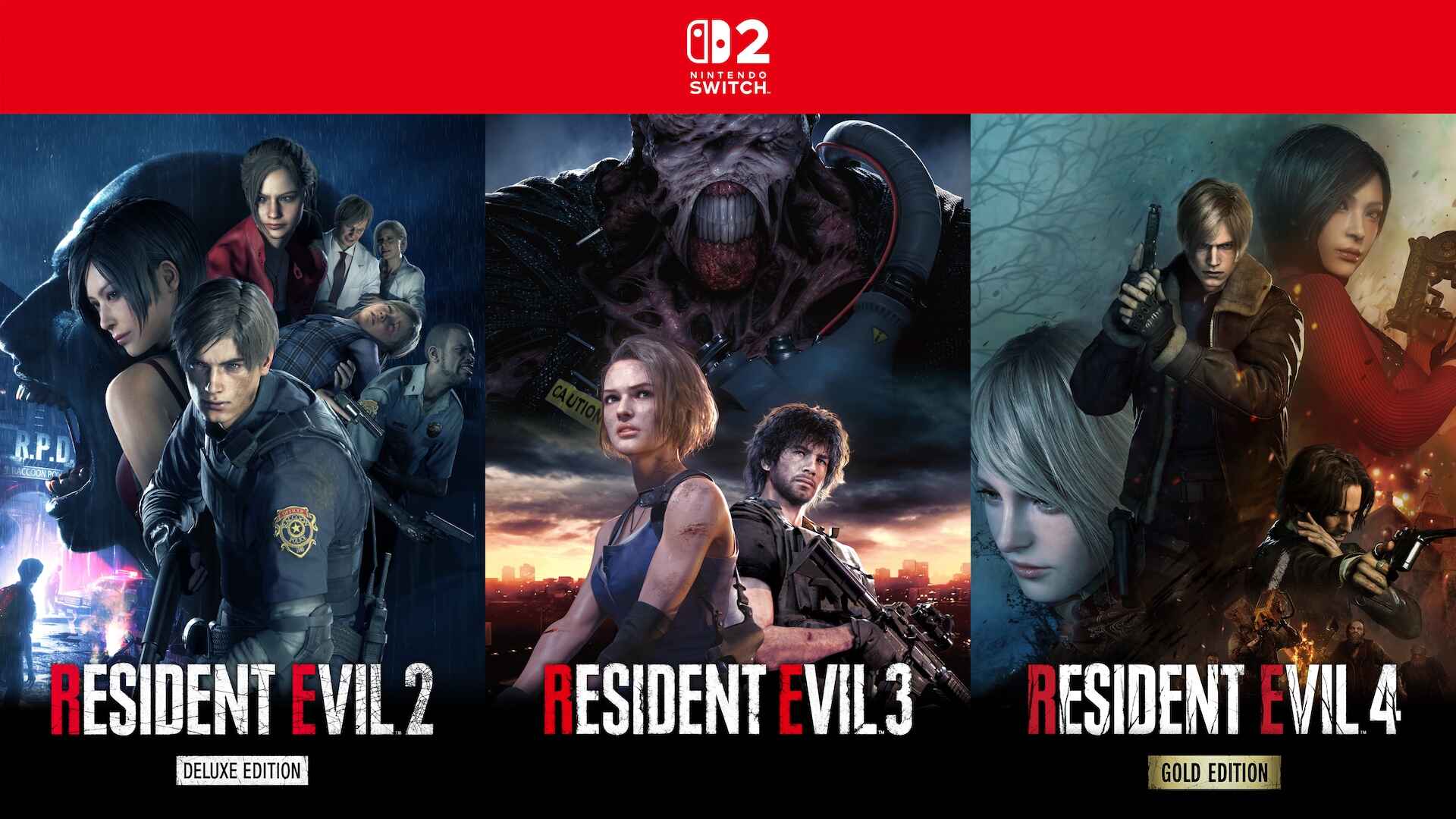
Resident Evil Village—alongside Resident Evil 7 Biohazard—is now available on Nintendo Switch 2 in their Gold Edition versions, complete with all downloadable content.
A special bundle including both games, plus Resident Evil Requiem, offers a significant discount on the Nintendo eShop.
Capcom’s decision to bring native versions to the Switch 2, as opposed to relying on cloud technology, marks a notable step for portable gaming enthusiasts eager for a full-featured experience.
Historically, Resident Evil Village has faced a few platform-specific challenges, such as DRM-related issues on PC and variable performance on the iPhone 15 Pro.
Console versions on PS5 and Xbox Series X include a ray tracing toggle for enhanced reflections, albeit at a lower resolution, yet they are regarded for smooth visuals and stability.
By comparison, the Nintendo Switch 2’s version brings several unique features to the table, including HDR and gyro support.
However, mouse controls are not available at launch, something that may be addressed in a future patch.
Capcom’s Switch 2 port is visually closer to last-generation hardware, with textures, filtering, and resolutions resembling the PS4 Pro rather than the PS5.
Performance can fluctuate, especially when the device is docked where VRR (variable refresh rate) is absent and occasional frame dips occur.
Nevertheless, VRR does benefit handheld play, helping smooth those inconsistencies.
Against the Steam Deck, Resident Evil Village on Switch 2 boasts superior load times and overall image quality.
Despite the PC port only supporting FSR 1.0 without modern upscaling methods like DLSS, the Steam Deck has generally suffered from performance issues following major updates.
The Switch 2 delivers faster load times compared to Valve’s handheld, offering an advantage for players on the go, even as it trails in some performance benchmarks.
Compared to the iPhone 15 Pro port—which leverages Apple’s MetalFX upscaling but falls short in sustaining a smooth 60 frames per second—Switch 2’s native release delivers consistently improved performance and image quality.
The iPad fares better than the iPhone, but the Switch 2’s hybrid nature and gaming-centric hardware establish it as the superior portable platform for Resident Evil Village.
Load times remain a practical metric for comparison.
Tests performed with Resident Evil Village installed on the internal storage of each device recorded the following dashboard-to-title and save-loading times (all in seconds):
PS5: 6 / 2
Switch 2: 12–13 / 5
Steam Deck: 17 / 5
iPhone 15 Pro: 9–10 / 4
While the PS5 remains the fastest, the Switch 2’s results are impressive, particularly for a portable device, outpacing Steam Deck and nearly matching mobile.
Overall, Resident Evil Village on Nintendo Switch 2 is a well-crafted port that brings Capcom’s renowned horror experience to new audiences.
Despite needing further optimization and featuring notable downgrades from the PS5, its native implementation, enhanced load times, and hybrid flexibility make it a strong recommendation for fans seeking portable survival horror.
For anyone eager to experience Resident Evil Village on the go, Switch 2 offers an excellent balance of features and convenience, with future updates likely to strengthen its appeal.
When Capcom’s Resident Evil Village released in May 2021 for PlayStation 4, PlayStation 5, Xbox One, Xbox Series X|S, and PC, it quickly established itself as a standout entry in the acclaimed survival horror series.
Since launch, Resident Evil Village has seen an impressive array of ports, including native macOS, a cloud edition for the Nintendo Switch, PlayStation VR2, and mobile versions for iPhone and iPad.
The newest arrival is a native Nintendo Switch 2 release, delivering portable horror gaming to a wider audience and further demonstrating Capcom’s expertise in cross-platform development.
Resident Evil Village—alongside Resident Evil 7 Biohazard—is now available on Nintendo Switch 2 in their Gold Edition versions, complete with all downloadable content.
A special bundle including both games, plus Resident Evil Requiem, offers a significant discount on the Nintendo eShop.
Capcom’s decision to bring native versions to the Switch 2, as opposed to relying on cloud technology, marks a notable step for portable gaming enthusiasts eager for a full-featured experience.
Historically, Resident Evil Village has faced a few platform-specific challenges, such as DRM-related issues on PC and variable performance on the iPhone 15 Pro.
Console versions on PS5 and Xbox Series X include a ray tracing toggle for enhanced reflections, albeit at a lower resolution, yet they are regarded for smooth visuals and stability.
By comparison, the Nintendo Switch 2’s version brings several unique features to the table, including HDR and gyro support.
However, mouse controls are not available at launch, something that may be addressed in a future patch.
Capcom’s Switch 2 port is visually closer to last-generation hardware, with textures, filtering, and resolutions resembling the PS4 Pro rather than the PS5.
Performance can fluctuate, especially when the device is docked where VRR (variable refresh rate) is absent and occasional frame dips occur.
Nevertheless, VRR does benefit handheld play, helping smooth those inconsistencies.
Against the Steam Deck, Resident Evil Village on Switch 2 boasts superior load times and overall image quality.
Despite the PC port only supporting FSR 1.0 without modern upscaling methods like DLSS, the Steam Deck has generally suffered from performance issues following major updates.
The Switch 2 delivers faster load times compared to Valve’s handheld, offering an advantage for players on the go, even as it trails in some performance benchmarks.
Compared to the iPhone 15 Pro port—which leverages Apple’s MetalFX upscaling but falls short in sustaining a smooth 60 frames per second—Switch 2’s native release delivers consistently improved performance and image quality.
The iPad fares better than the iPhone, but the Switch 2’s hybrid nature and gaming-centric hardware establish it as the superior portable platform for Resident Evil Village.
Load times remain a practical metric for comparison.
Tests performed with Resident Evil Village installed on the internal storage of each device recorded the following dashboard-to-title and save-loading times (all in seconds):
PS5: 6 / 2
Switch 2: 12–13 / 5
Steam Deck: 17 / 5
iPhone 15 Pro: 9–10 / 4
While the PS5 remains the fastest, the Switch 2’s results are impressive, particularly for a portable device, outpacing Steam Deck and nearly matching mobile.
Overall, Resident Evil Village on Nintendo Switch 2 is a well-crafted port that brings Capcom’s renowned horror experience to new audiences.
Despite needing further optimization and featuring notable downgrades from the PS5, its native implementation, enhanced load times, and hybrid flexibility make it a strong recommendation for fans seeking portable survival horror.
For anyone eager to experience Resident Evil Village on the go, Switch 2 offers an excellent balance of features and convenience, with future updates likely to strengthen its appeal.