
Resident Evil 7 Biohazard on Nintendo Switch 2: Platform Comparison and Performance Analysis
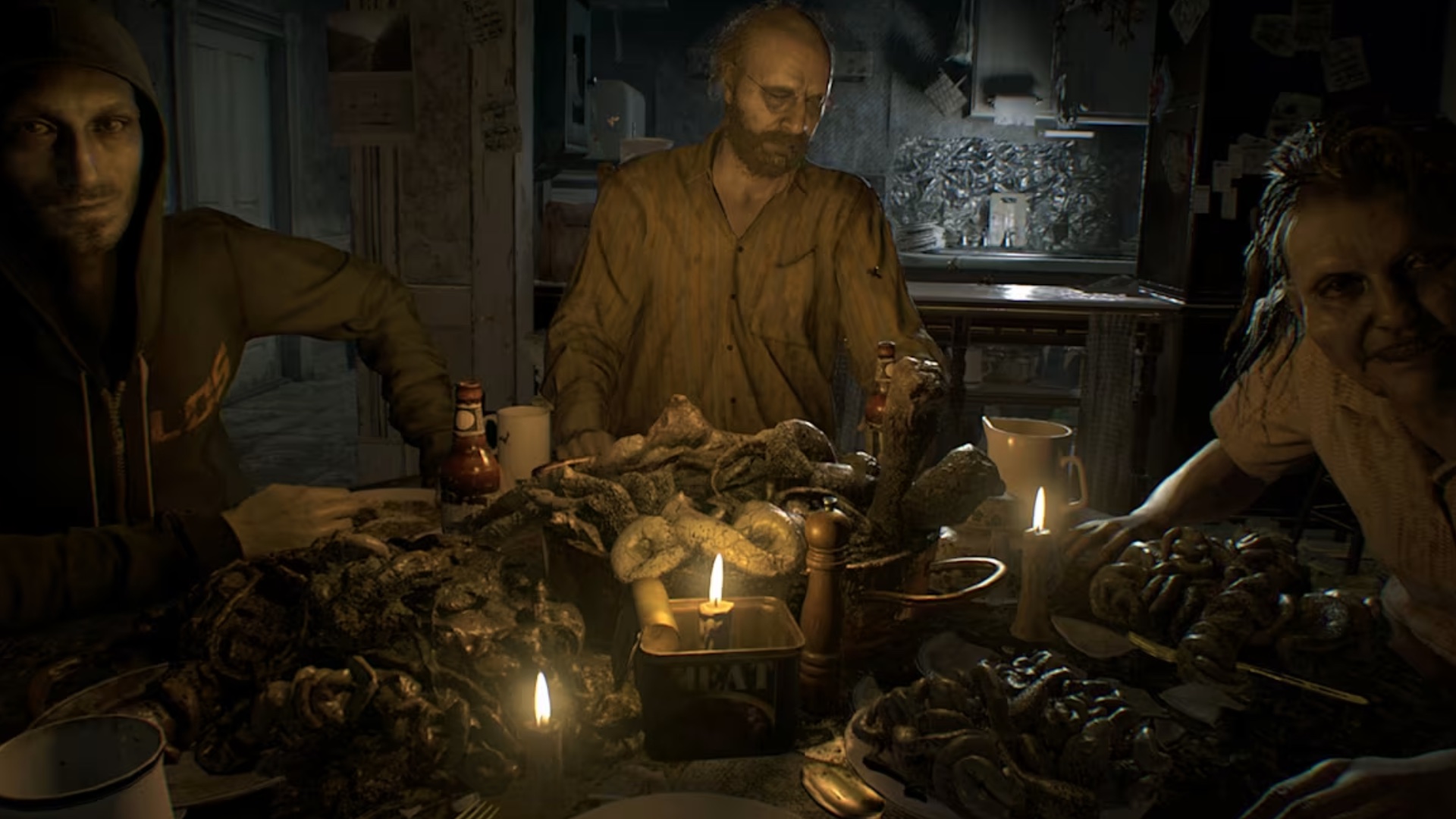
Since its original release in 2017, Resident Evil 7 Biohazard has marked a pivotal chapter in Capcom's horror franchise.
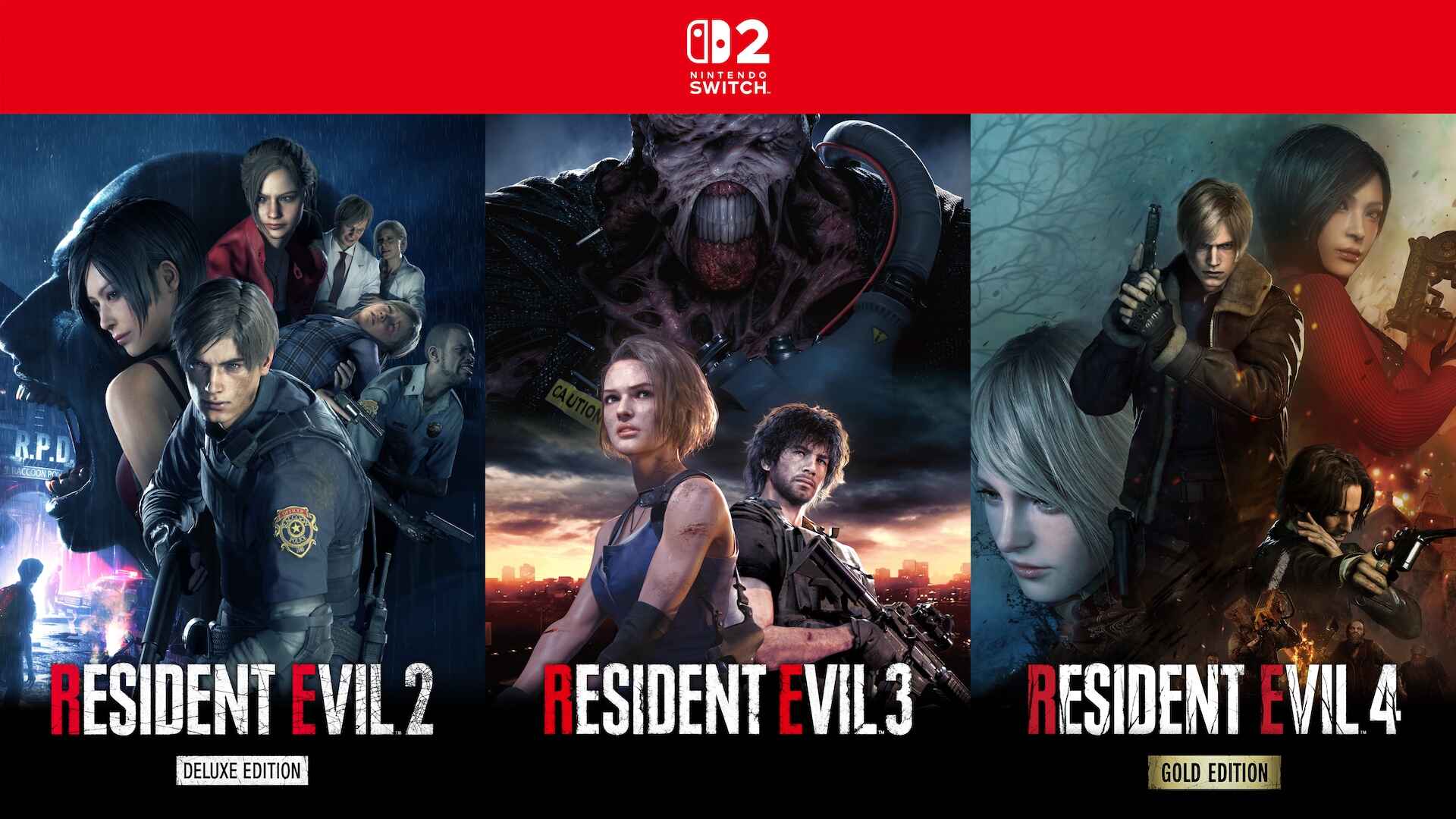
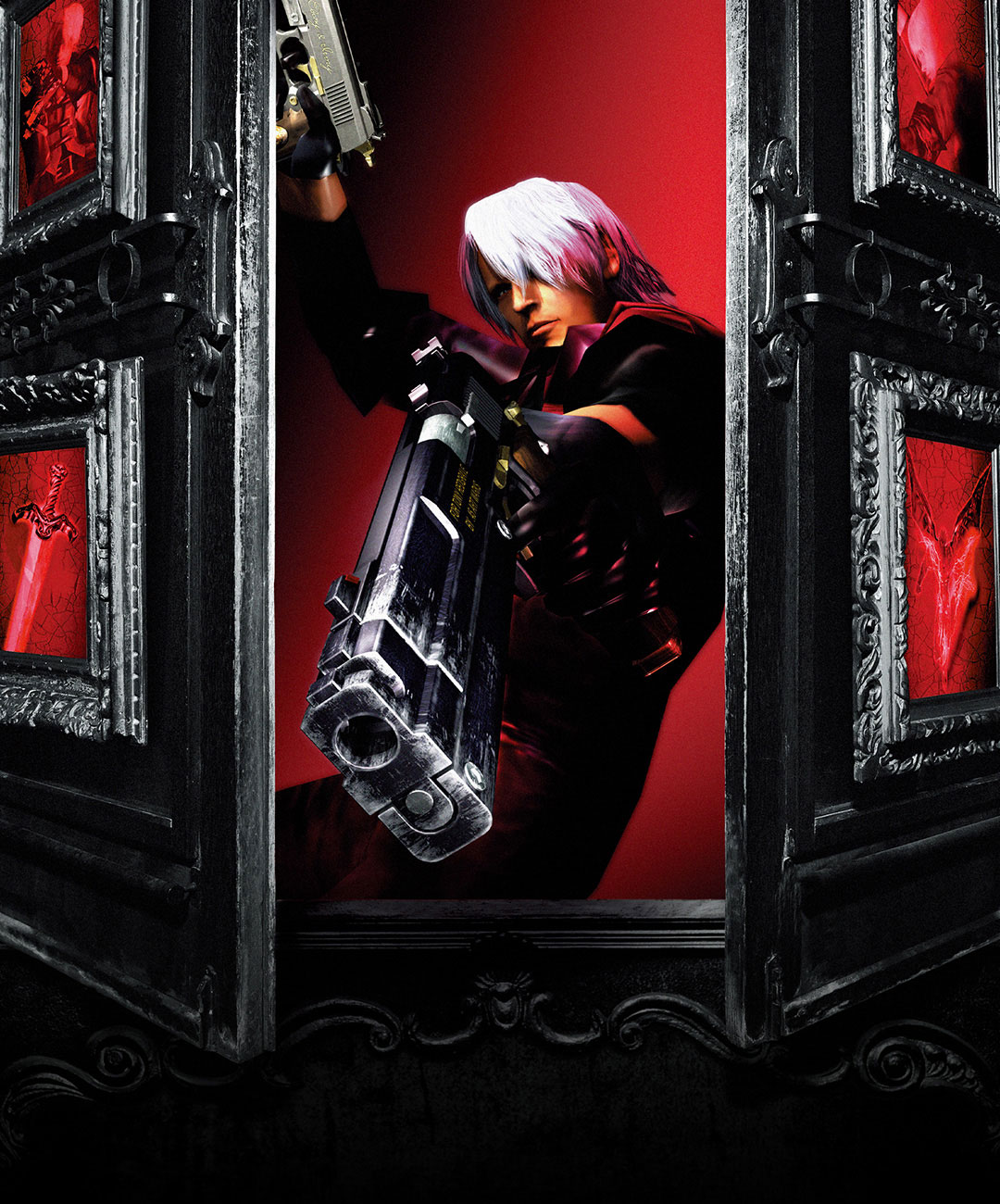
Debuting on PlayStation 4, Xbox One, and PC, Capcom's critically acclaimed survival horror was praised for its return to the series' roots, influencing the developer’s subsequent major successes such as Devil May Cry 5 and Monster Hunter: World.
Now, the highly-anticipated Nintendo Switch 2 version brings Resident Evil 7 Biohazard’s signature terror—and all downloadable content (DLC), HDR support, and motion controls—to Nintendo’s latest hardware, providing portable access to one of the most atmospheric entries in the series.
In a statement reflecting on Capcom’s development trajectory since 2017, industry observers have highlighted how titles like Devil May Cry 5, Monster Hunter World, and Resident Evil series remakes have been lauded for their technical achievements and expansive content.
Resident Evil 7’s relatively modest hardware demands, due to its last-generation origins, make it particularly well-suited for efficient performance on devices like the Nintendo Switch 2.
Resident Evil 7 Biohazard was initially available on PlayStation 4, Xbox One, and PC, and has since expanded to platforms such as Steam Deck, iPhone 15 Pro, and received free next-gen updates for PS5 and Xbox Series X|S.
The newly launched Switch 2 version offers a remarkably stable rendition of the game, outpacing the Resident Evil Village port in terms of overall consistency and performance—particularly in handheld mode.
While some texture filtering and level-of-detail differences are more noticeable on the Switch 2 when docked, these visual compromises are in line with the title’s established technical profile across platforms.
On PlayStation 5, Resident Evil 7 introduces features like 120Hz refresh rates and ray tracing support, delivering sharper graphics and smoother gameplay.
These enhancements, however, are absent on Nintendo Switch 2, which employs fixed graphics settings for both docked and portable use.
Nevertheless, the Switch 2 port maintains the essence of Resident Evil 7’s heavily post-processed visuals with minimal sacrifices, making it a visually authentic and highly playable handheld version.
Comparing across devices, Resident Evil 7’s Steam Deck release, while officially Steam Deck Verified, requires extra configuration for optimal cutscene playback.
Some minor issues such as image break-up and level-of-detail artifacts are present, yet the platform offers a robust handheld experience overall.
On iPhone 15 Pro, Resident Evil 7 stands out as the most optimized AAA Capcom title available, yet the Switch 2 port surpasses it in overall performance, versatility, and user experience for portable gaming.
Load time testing using internal SSD storage across all platforms confirms PS5 as the fastest for both title loading and save retrieval, followed closely by the Switch 2, which loads considerably faster than Steam Deck and even outpaces iPhone 15 Pro in some scenarios.
The Switch 2’s strong load times contribute to a seamless portable experience, reinforcing its appeal for on-the-go survival horror fans.
While the Switch 2 version omits features like mouse controls and advanced graphic options, its steady performance, complete content package, and accessibility continue Capcom’s tradition of delivering quality ports on Nintendo hardware.
Despite some limitations in image fidelity, Resident Evil 7 Biohazard remains a standout title on Switch 2 and is highly recommended, especially for players new to the series or seeking a robust on-the-go horror experience.
With HDR support, motion controls, and all DLC included, Capcom demonstrates ongoing commitment to bringing its critically acclaimed catalog to the Nintendo ecosystem via the eShop.
Whether docked or in handheld mode, Resident Evil 7 Biohazard for Nintendo Switch 2 upholds Capcom’s reputation for crafting solid, compelling ports, ensuring the enduring legacy of Resident Evil is accessible to a new generation of Nintendo fans.
Since its original release in 2017, Resident Evil 7 Biohazard has marked a pivotal chapter in Capcom's horror franchise.
Debuting on PlayStation 4, Xbox One, and PC, Capcom's critically acclaimed survival horror was praised for its return to the series' roots, influencing the developer’s subsequent major successes such as Devil May Cry 5 and Monster Hunter: World.
Now, the highly-anticipated Nintendo Switch 2 version brings Resident Evil 7 Biohazard’s signature terror—and all downloadable content (DLC), HDR support, and motion controls—to Nintendo’s latest hardware, providing portable access to one of the most atmospheric entries in the series.
In a statement reflecting on Capcom’s development trajectory since 2017, industry observers have highlighted how titles like Devil May Cry 5, Monster Hunter World, and Resident Evil series remakes have been lauded for their technical achievements and expansive content.
Resident Evil 7’s relatively modest hardware demands, due to its last-generation origins, make it particularly well-suited for efficient performance on devices like the Nintendo Switch 2.
Resident Evil 7 Biohazard was initially available on PlayStation 4, Xbox One, and PC, and has since expanded to platforms such as Steam Deck, iPhone 15 Pro, and received free next-gen updates for PS5 and Xbox Series X|S.
The newly launched Switch 2 version offers a remarkably stable rendition of the game, outpacing the Resident Evil Village port in terms of overall consistency and performance—particularly in handheld mode.
While some texture filtering and level-of-detail differences are more noticeable on the Switch 2 when docked, these visual compromises are in line with the title’s established technical profile across platforms.
On PlayStation 5, Resident Evil 7 introduces features like 120Hz refresh rates and ray tracing support, delivering sharper graphics and smoother gameplay.
These enhancements, however, are absent on Nintendo Switch 2, which employs fixed graphics settings for both docked and portable use.
Nevertheless, the Switch 2 port maintains the essence of Resident Evil 7’s heavily post-processed visuals with minimal sacrifices, making it a visually authentic and highly playable handheld version.
Comparing across devices, Resident Evil 7’s Steam Deck release, while officially Steam Deck Verified, requires extra configuration for optimal cutscene playback.
Some minor issues such as image break-up and level-of-detail artifacts are present, yet the platform offers a robust handheld experience overall.
On iPhone 15 Pro, Resident Evil 7 stands out as the most optimized AAA Capcom title available, yet the Switch 2 port surpasses it in overall performance, versatility, and user experience for portable gaming.
Load time testing using internal SSD storage across all platforms confirms PS5 as the fastest for both title loading and save retrieval, followed closely by the Switch 2, which loads considerably faster than Steam Deck and even outpaces iPhone 15 Pro in some scenarios.
The Switch 2’s strong load times contribute to a seamless portable experience, reinforcing its appeal for on-the-go survival horror fans.
While the Switch 2 version omits features like mouse controls and advanced graphic options, its steady performance, complete content package, and accessibility continue Capcom’s tradition of delivering quality ports on Nintendo hardware.
Despite some limitations in image fidelity, Resident Evil 7 Biohazard remains a standout title on Switch 2 and is highly recommended, especially for players new to the series or seeking a robust on-the-go horror experience.
With HDR support, motion controls, and all DLC included, Capcom demonstrates ongoing commitment to bringing its critically acclaimed catalog to the Nintendo ecosystem via the eShop.
Whether docked or in handheld mode, Resident Evil 7 Biohazard for Nintendo Switch 2 upholds Capcom’s reputation for crafting solid, compelling ports, ensuring the enduring legacy of Resident Evil is accessible to a new generation of Nintendo fans.