



Resident Evil Requiem on Switch 2: Capcom Delivers a Landmark Day-One Release
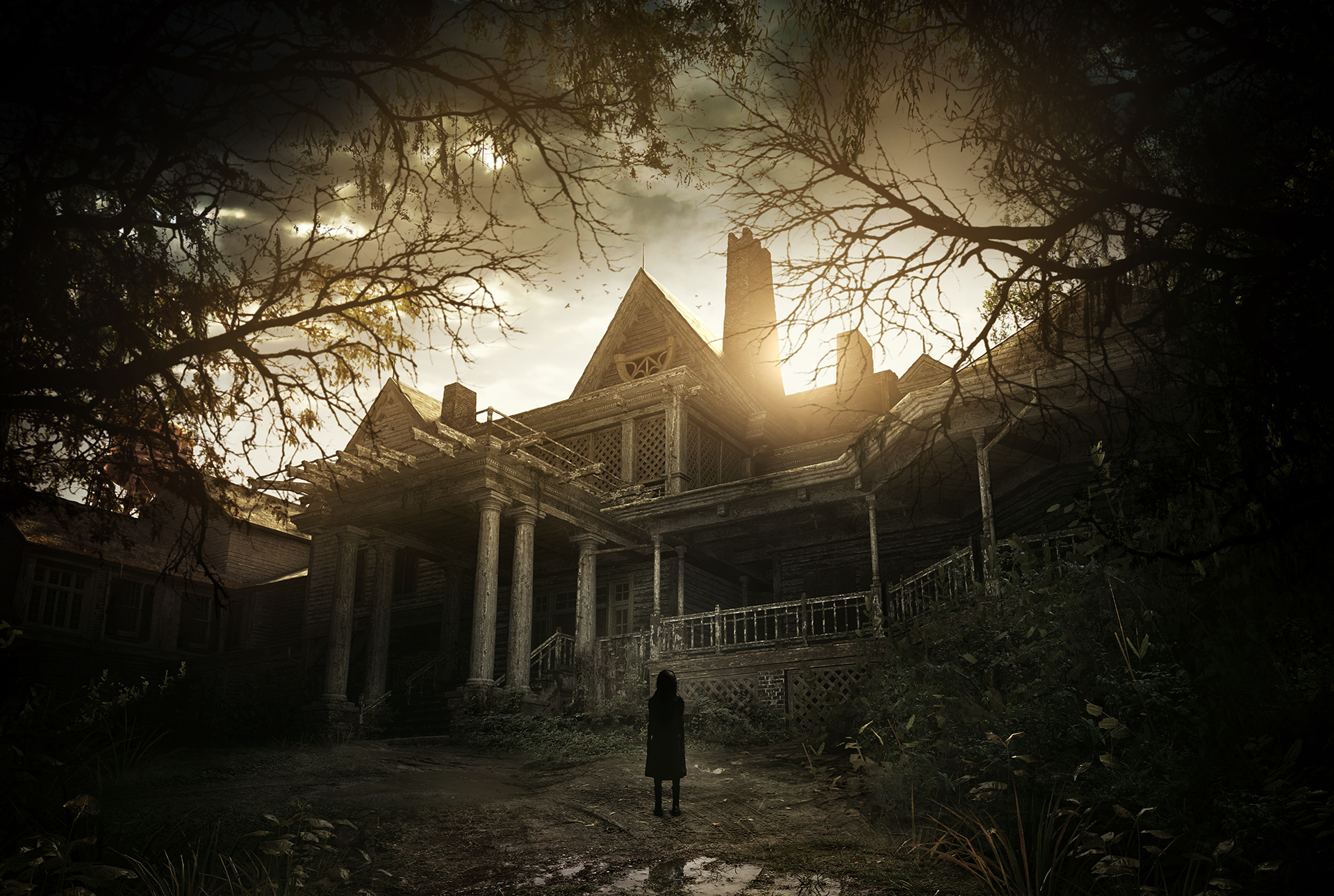
Following a steady surge of momentum since Resident Evil 7: Biohazard redefined the franchise in 2017, Capcom’s Resident Evil series continues its upward trajectory with the release of Resident Evil Requiem.
Known internally as Resident Evil 9 (RE9), this latest mainline installment marks a significant moment for both the series and Nintendo fans: for the first time since Resident Evil 4's original launch, a core Resident Evil game arrives on Nintendo hardware day one, and for the first time ever, debuts simultaneously on all major platforms, including the Nintendo Switch 2.
In a recent statement, Capcom expressed pride in broadening the franchise’s reach, noting that bringing Resident Evil Requiem to Switch 2 signifies their ongoing commitment to cross-platform accessibility.
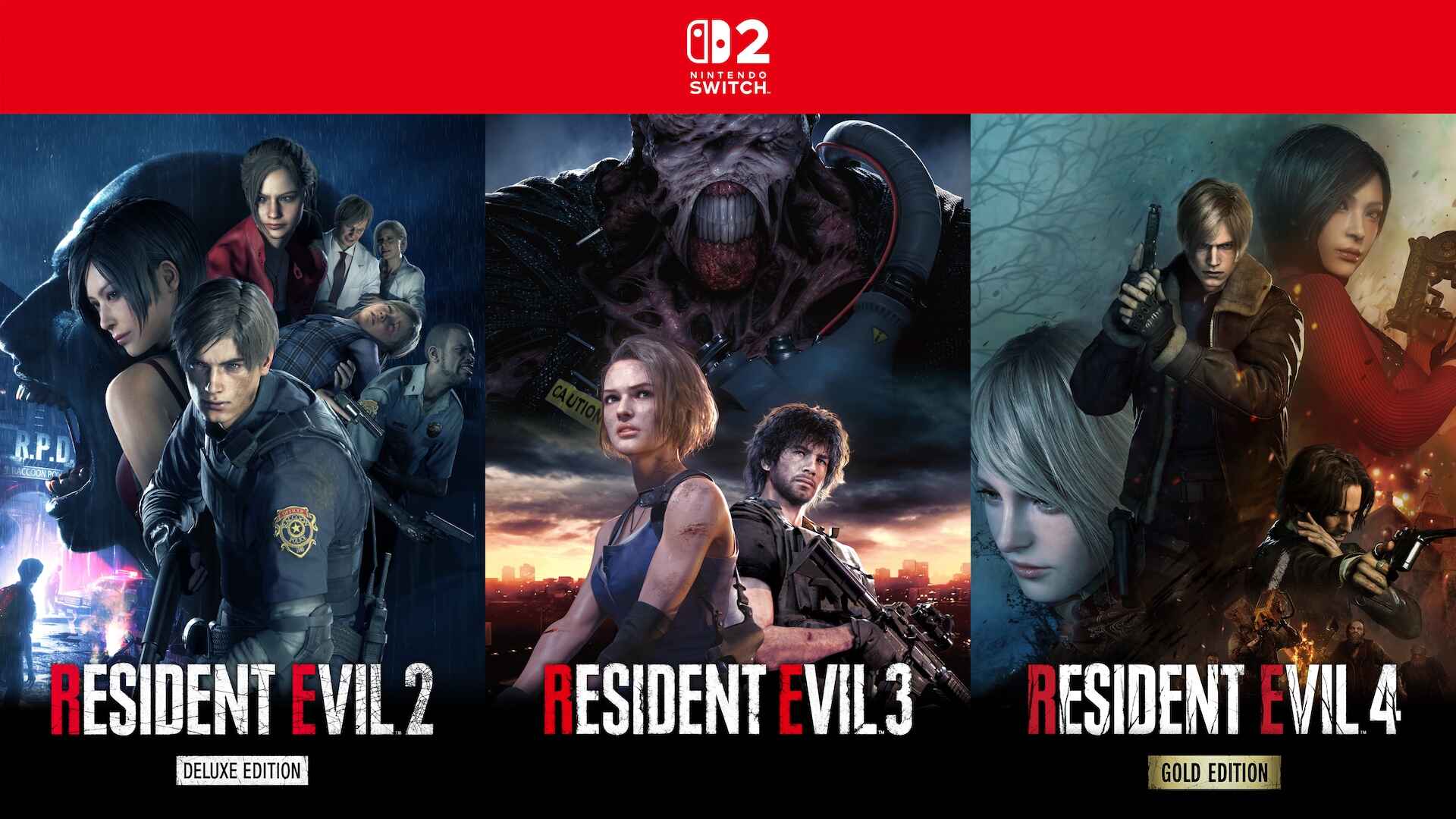
This strategic approach has been key to the franchise’s lasting commercial success, seen previously with the Resident Evil 3 remake’s robust sales aided by flexible bundling and frequent platform expansions.
A New Chapter with Fan-Favorite Characters
Resident Evil Requiem weaves a gripping narrative through the perspective of multiple protagonists.
Taking center stage is Grace Ashcroft, an FBI intelligence analyst dispatched to the Wrenwood Hotel—a location etched in tragedy due to her mother's unsolved murder eight years prior.
Tasks meant to unravel straightforward criminal mysteries rapidly escalate, as Grace finds herself entangled in another dark conspiracy orchestrated by former Umbrella Corporation scientist Victor Gideon.
Knocked unconscious and transported to the sinister Rhodes Hill Chronic Care Center, Grace confronts horrors fueled by a mutated T-Virus strain.
Parallel to Grace’s harrowing journey, long-standing fan favorite Leon Kennedy returns as a Division of Security Operations (DSO) agent, once again displaying his characteristic mix of dry wit and relentless heroism.
The narrative cleverly interchanges between the protagonists, each offering a distinctive gameplay experience and providing layers of suspense that keep players invested throughout the runtime.
Gameplay Customization and Legacy Mechanics
Capcom caters to both veterans and newcomers by offering three tailored difficulty levels: Casual for story and puzzle enthusiasts, Standard (Modern) for a balanced challenge, and Standard (Classic), which closely mirrors the difficulty of earlier series entries.
This level of customization reflects the studio’s awareness of Resident Evil’s diverse fan base.
Classic gameplay elements remain, from herb mixing and item-based progression to hidden collectibles like Mr. Racoon trophies.
Importantly, Resident Evil Requiem introduces flexible perspective options—players can navigate Grace’s tense stealth encounters in traditional first-person mode (akin to Resident Evil 7: Biohazard and Resident Evil Village) or switch to third-person for Leon’s action-heavy sequences, as featured in the acclaimed Resident Evil 2, 3, and 4 remakes.
Technical Analysis: Switch 2 Performance and Innovations
Resident Evil Requiem on Nintendo Switch 2 is notable for its utilization of new hardware capabilities, and the technical performance is a focal point for many fans.
The game runs at an unlocked frame rate in both docked and handheld modes, leveraging DLSS upscaling to enhance image quality.
While the visual fidelity generally impresses, some rendering inconsistencies—most notably with reflections and hair rendering in cutscenes—are observable.
Handheld play benefits from VRR support, leading to smoother performance overall, whereas docked mode suffers from occasional frame rate instability and lacks VRR, at times affecting the gameplay experience.
Players have praised Capcom’s improved implementation of HD Rumble 2, which delivers nuanced haptic feedback across combat, cutscenes, and environmental interactions.
This new level of immersion stands out as the best yet seen in a Capcom release on Nintendo hardware, with adjustable intensity settings available.
Initial load times are noticeably improved on Switch 2, though occasional longer waits between cutscenes and gameplay may slightly disrupt pacing.
The absence of mouse controls in docked mode was noted as a current limitation—Capcom has not provided details on future support for this feature.
Conclusion: Capcom Sets a New Benchmark for Resident Evil on Nintendo Switch 2
Resident Evil Requiem’s release is a watershed moment for Capcom and Nintendo, underscoring what is possible when flagship franchises receive thoughtful technical attention on new hardware.
Though some technical hitches remain—particularly in docked mode—the overall handheld experience is highly polished, and the HD Rumble 2 integration is exemplary.
The multi-protagonist narrative, combined with adaptive gameplay perspectives, ensures Resident Evil Requiem is both innovative and faithful to the series’ enduring strengths.
As players and critics alike delve deeper into this latest chapter, it’s clear that Capcom’s ambition to deliver a truly cross-platform Resident Evil experience has been successfully realized on Nintendo Switch 2.
Review by Alex Seedhouse and Mikhail Madnani, Version Tested: Nintendo Switch 2, Review Copy Provided by Capcom.
Following a steady surge of momentum since Resident Evil 7: Biohazard redefined the franchise in 2017, Capcom’s Resident Evil series continues its upward trajectory with the release of Resident Evil Requiem.
Known internally as Resident Evil 9 (RE9), this latest mainline installment marks a significant moment for both the series and Nintendo fans: for the first time since Resident Evil 4's original launch, a core Resident Evil game arrives on Nintendo hardware day one, and for the first time ever, debuts simultaneously on all major platforms, including the Nintendo Switch 2.
In a recent statement, Capcom expressed pride in broadening the franchise’s reach, noting that bringing Resident Evil Requiem to Switch 2 signifies their ongoing commitment to cross-platform accessibility.
This strategic approach has been key to the franchise’s lasting commercial success, seen previously with the Resident Evil 3 remake’s robust sales aided by flexible bundling and frequent platform expansions.
A New Chapter with Fan-Favorite Characters
Resident Evil Requiem weaves a gripping narrative through the perspective of multiple protagonists.
Taking center stage is Grace Ashcroft, an FBI intelligence analyst dispatched to the Wrenwood Hotel—a location etched in tragedy due to her mother's unsolved murder eight years prior.
Tasks meant to unravel straightforward criminal mysteries rapidly escalate, as Grace finds herself entangled in another dark conspiracy orchestrated by former Umbrella Corporation scientist Victor Gideon.
Knocked unconscious and transported to the sinister Rhodes Hill Chronic Care Center, Grace confronts horrors fueled by a mutated T-Virus strain.
Parallel to Grace’s harrowing journey, long-standing fan favorite Leon Kennedy returns as a Division of Security Operations (DSO) agent, once again displaying his characteristic mix of dry wit and relentless heroism.
The narrative cleverly interchanges between the protagonists, each offering a distinctive gameplay experience and providing layers of suspense that keep players invested throughout the runtime.
Gameplay Customization and Legacy Mechanics
Capcom caters to both veterans and newcomers by offering three tailored difficulty levels: Casual for story and puzzle enthusiasts, Standard (Modern) for a balanced challenge, and Standard (Classic), which closely mirrors the difficulty of earlier series entries.
This level of customization reflects the studio’s awareness of Resident Evil’s diverse fan base.
Classic gameplay elements remain, from herb mixing and item-based progression to hidden collectibles like Mr. Racoon trophies.
Importantly, Resident Evil Requiem introduces flexible perspective options—players can navigate Grace’s tense stealth encounters in traditional first-person mode (akin to Resident Evil 7: Biohazard and Resident Evil Village) or switch to third-person for Leon’s action-heavy sequences, as featured in the acclaimed Resident Evil 2, 3, and 4 remakes.
Technical Analysis: Switch 2 Performance and Innovations
Resident Evil Requiem on Nintendo Switch 2 is notable for its utilization of new hardware capabilities, and the technical performance is a focal point for many fans.
The game runs at an unlocked frame rate in both docked and handheld modes, leveraging DLSS upscaling to enhance image quality.
While the visual fidelity generally impresses, some rendering inconsistencies—most notably with reflections and hair rendering in cutscenes—are observable.
Handheld play benefits from VRR support, leading to smoother performance overall, whereas docked mode suffers from occasional frame rate instability and lacks VRR, at times affecting the gameplay experience.
Players have praised Capcom’s improved implementation of HD Rumble 2, which delivers nuanced haptic feedback across combat, cutscenes, and environmental interactions.
This new level of immersion stands out as the best yet seen in a Capcom release on Nintendo hardware, with adjustable intensity settings available.
Initial load times are noticeably improved on Switch 2, though occasional longer waits between cutscenes and gameplay may slightly disrupt pacing.
The absence of mouse controls in docked mode was noted as a current limitation—Capcom has not provided details on future support for this feature.
Conclusion: Capcom Sets a New Benchmark for Resident Evil on Nintendo Switch 2
Resident Evil Requiem’s release is a watershed moment for Capcom and Nintendo, underscoring what is possible when flagship franchises receive thoughtful technical attention on new hardware.
Though some technical hitches remain—particularly in docked mode—the overall handheld experience is highly polished, and the HD Rumble 2 integration is exemplary.
The multi-protagonist narrative, combined with adaptive gameplay perspectives, ensures Resident Evil Requiem is both innovative and faithful to the series’ enduring strengths.
As players and critics alike delve deeper into this latest chapter, it’s clear that Capcom’s ambition to deliver a truly cross-platform Resident Evil experience has been successfully realized on Nintendo Switch 2.
Review by Alex Seedhouse and Mikhail Madnani, Version Tested: Nintendo Switch 2, Review Copy Provided by Capcom.