Maximo: Ghosts to Glory is a name that still resonates with action-adventure fans and PlayStation 2 enthusiasts, especially those who appreciate Capcom's gothic gaming legacy.
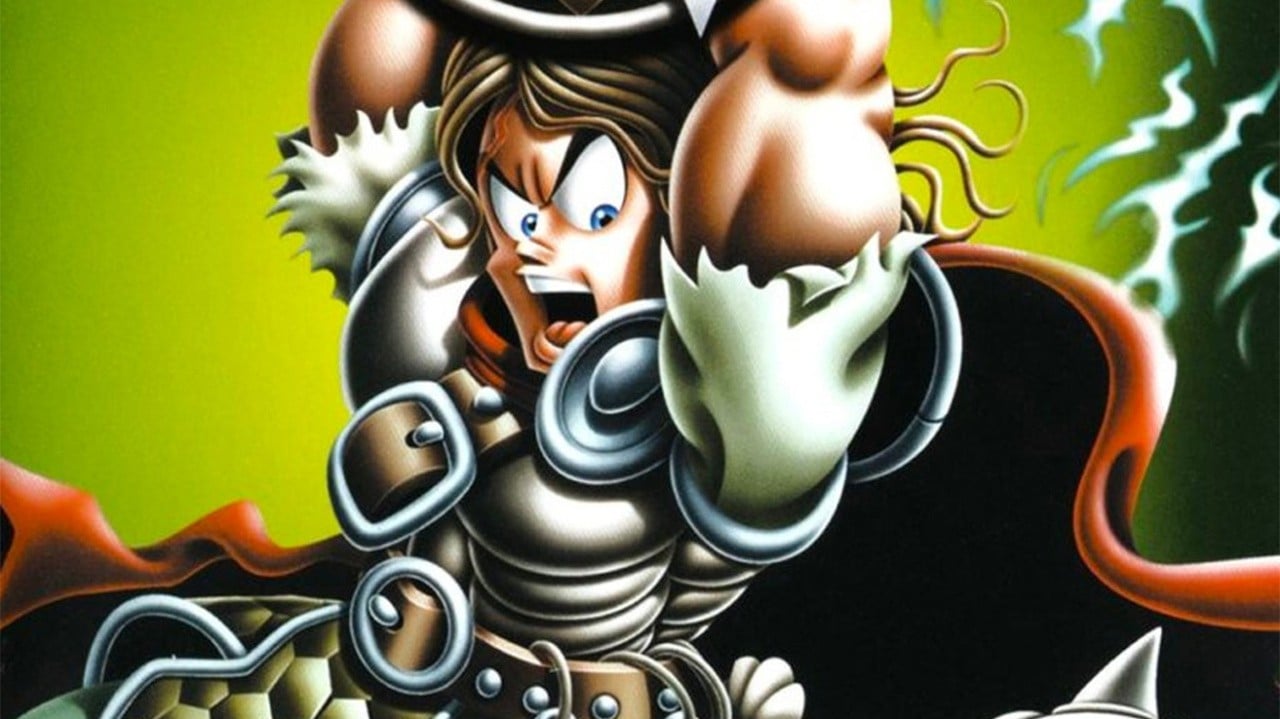
Launched for the PlayStation 2 in 2002 (2001 in Japan), Maximo: Ghosts to Glory was developed by Capcom’s American studio in collaboration with renowned Famitsu illustrator Susumu Matsushita.
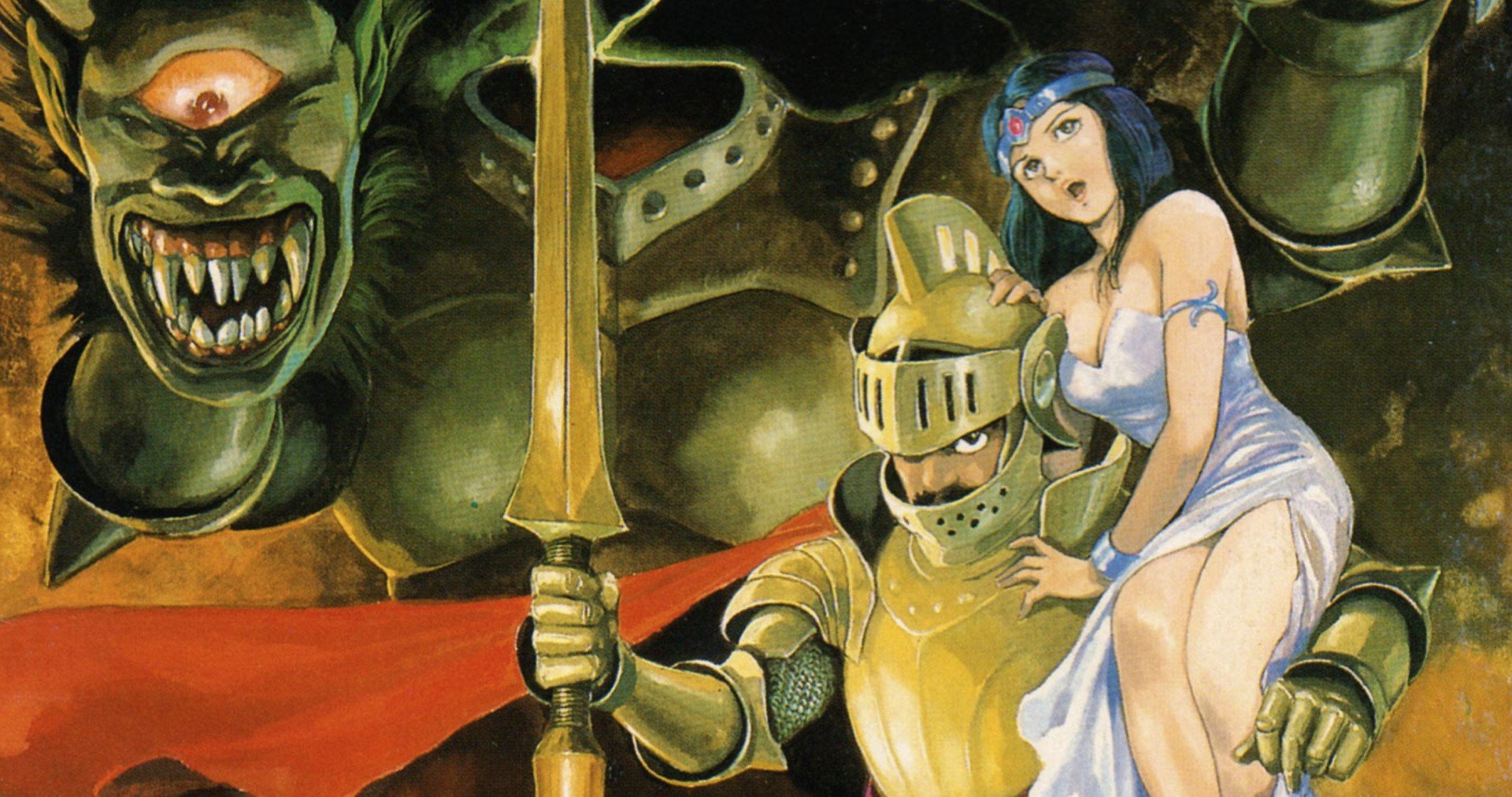
Set in the same universe as the beloved Ghosts 'n Goblins arcade series, the game put players in the armor of Maximo, a resurrected king seeking to rescue his missing bride-to-be, Sophia, and exact revenge on a treacherous confidant.
Blending expressive 3D characters with classic, punishing game difficulty, Maximo received mostly positive reviews upon release and has since gained recognition as a cult classic.
The game’s memorable legacy has been cemented further by its successful sequel, Maximo vs. Army of Zin.
However, fresh insights from one of its original contributors, Joe Pearson, shed new light on how dramatically different the final product could have been.
Pearson, recognized by gaming historians and Crash Bandicoot fans alike as one of the co-creators of Crash’s original character design, was brought onto the Maximo project following a recommendation by David Siller, the initial producer of Crash Bandicoot.
In an interview with Time Extension, Pearson recalled: "Through David, I was given the opportunity to work on both Maximo games for Capcom.
My role involved designing art and writing a much darker, R-rated story and script for the first Maximo, at their request.
They wanted something edgy with a mature tone, so I drew on the works of fantasy author Michael Moorcock."
This unproduced script, titled Maximo: The Dark Knight, first surfaced online in 2018 thanks to Unseen64 and Ross Sillifant, and features a distinct narrative departure from the released game.
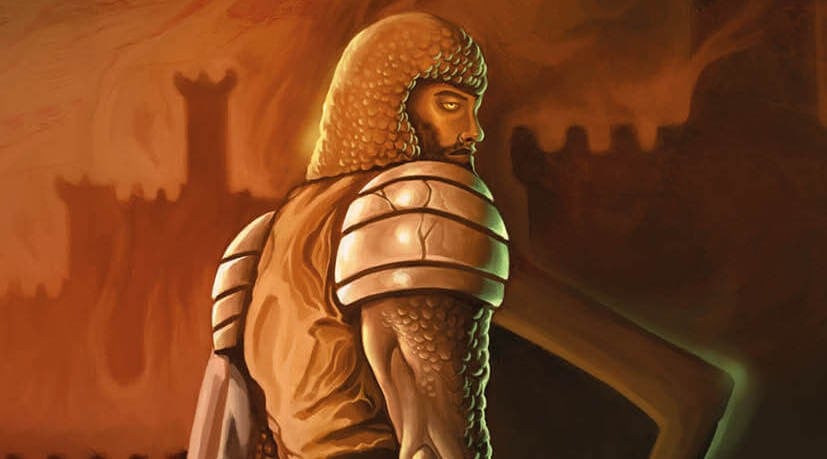
Rather than a king, Maximo is portrayed as a humble warrior serving a just ruler.
The drama centers around Lilith, the Queen of Monsters, and a trio of magical swords crucial to the unfolding conflict—a creative nod to Moorcock’s legendary Elric novels.
Notably, familiar characters Sophia and Achilles were absent, replaced with darker themes, such as Maximo’s confrontation with his own corrupted family—visuals and story points far removed from the lighter narrative that Capcom ultimately chose for wide appeal.
Atmospheric details from Pearson’s script evoke haunting visuals: a once-idyllic village engulfed by evil, Maximo’s family transformed into the undead, and a world shaped by tragic magic.
Pearson revealed that Capcom likely felt his vision was too somber for the intended audience, explaining, "I can only imagine Capcom thought, 'This is way too dark,' and pivoted to a safer, youth-friendly version, though they compensated me fairly for my work."
Despite the shift in tone, Pearson remained involved, contributing additional concept art that helped define Maximo's final look and atmosphere.
Today, the franchise is fondly remembered both for its challenging gameplay and the creative talents that shaped its unique identity.
Though Maximo: The Dark Knight never made it past the concept stage, its existence highlights the creative risks and unsung development stories that often accompany gaming’s most cherished titles.
With Capcom’s continued legacy and a growing interest in classic games—spurred on by platforms like Nintendo Switch, re-releases, and retrospectives—Maximo: Ghosts to Glory maintains its revered status in gaming history, both for the adventures players experienced and the ones that could have been.
Launched for the PlayStation 2 in 2002 (2001 in Japan), Maximo: Ghosts to Glory was developed by Capcom’s American studio in collaboration with renowned Famitsu illustrator Susumu Matsushita.
Set in the same universe as the beloved Ghosts 'n Goblins arcade series, the game put players in the armor of Maximo, a resurrected king seeking to rescue his missing bride-to-be, Sophia, and exact revenge on a treacherous confidant.
Blending expressive 3D characters with classic, punishing game difficulty, Maximo received mostly positive reviews upon release and has since gained recognition as a cult classic.
The game’s memorable legacy has been cemented further by its successful sequel, Maximo vs. Army of Zin.
However, fresh insights from one of its original contributors, Joe Pearson, shed new light on how dramatically different the final product could have been.
Pearson, recognized by gaming historians and Crash Bandicoot fans alike as one of the co-creators of Crash’s original character design, was brought onto the Maximo project following a recommendation by David Siller, the initial producer of Crash Bandicoot.
In an interview with Time Extension, Pearson recalled: "Through David, I was given the opportunity to work on both Maximo games for Capcom.
My role involved designing art and writing a much darker, R-rated story and script for the first Maximo, at their request.
They wanted something edgy with a mature tone, so I drew on the works of fantasy author Michael Moorcock."
This unproduced script, titled Maximo: The Dark Knight, first surfaced online in 2018 thanks to Unseen64 and Ross Sillifant, and features a distinct narrative departure from the released game.
Rather than a king, Maximo is portrayed as a humble warrior serving a just ruler.
The drama centers around Lilith, the Queen of Monsters, and a trio of magical swords crucial to the unfolding conflict—a creative nod to Moorcock’s legendary Elric novels.
Notably, familiar characters Sophia and Achilles were absent, replaced with darker themes, such as Maximo’s confrontation with his own corrupted family—visuals and story points far removed from the lighter narrative that Capcom ultimately chose for wide appeal.
Atmospheric details from Pearson’s script evoke haunting visuals: a once-idyllic village engulfed by evil, Maximo’s family transformed into the undead, and a world shaped by tragic magic.
Pearson revealed that Capcom likely felt his vision was too somber for the intended audience, explaining, "I can only imagine Capcom thought, 'This is way too dark,' and pivoted to a safer, youth-friendly version, though they compensated me fairly for my work."
Despite the shift in tone, Pearson remained involved, contributing additional concept art that helped define Maximo's final look and atmosphere.
Today, the franchise is fondly remembered both for its challenging gameplay and the creative talents that shaped its unique identity.
Though Maximo: The Dark Knight never made it past the concept stage, its existence highlights the creative risks and unsung development stories that often accompany gaming’s most cherished titles.
With Capcom’s continued legacy and a growing interest in classic games—spurred on by platforms like Nintendo Switch, re-releases, and retrospectives—Maximo: Ghosts to Glory maintains its revered status in gaming history, both for the adventures players experienced and the ones that could have been.