
Producer Scales Back ReDead Redesign in Ocarina of Time Remake
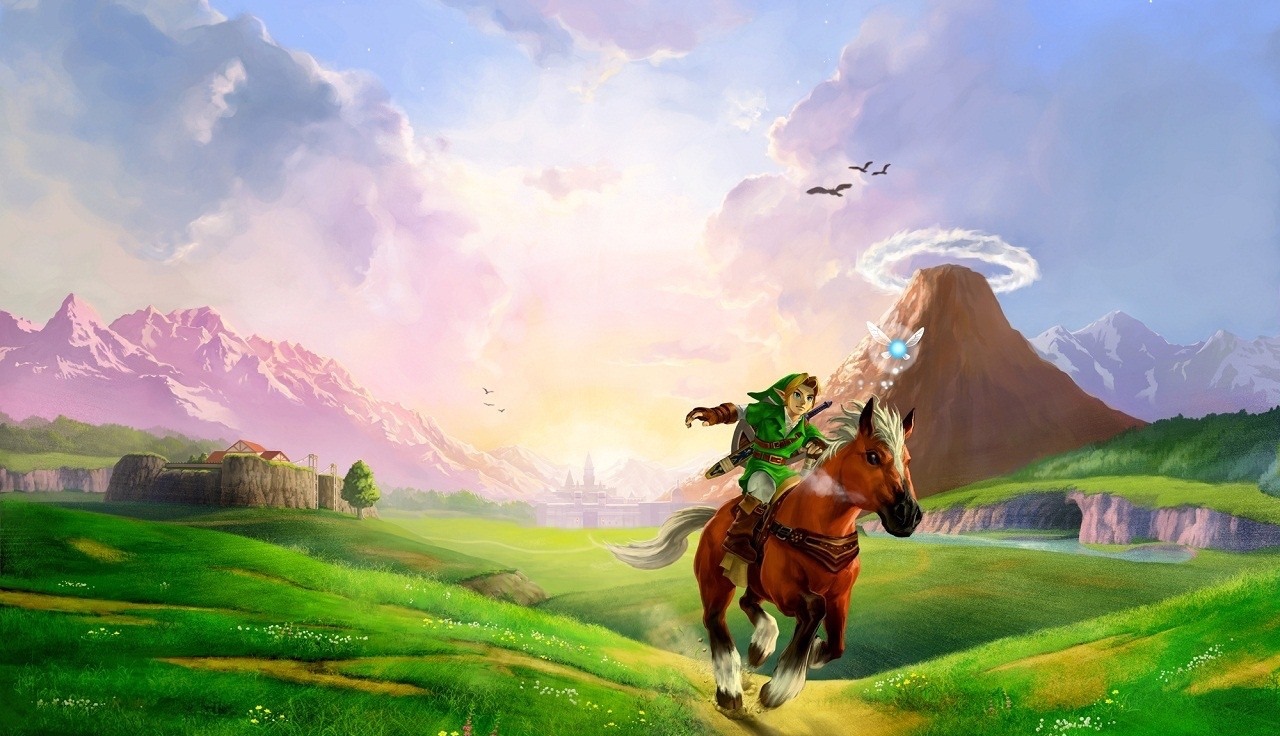
The Legend of Zelda: Ocarina of Time remains one of Nintendo's most influential titles since its original release on Nintendo 64 in 1998.
In the recent remake effort, producer Hidemaro Fujibayashi and Nintendo's internal team revisited many of the game's iconic enemies, including the zombielike ReDeads.
In a GameSpot interview, Fujibayashi explained that improvements to visuals and audio during the remake made the ReDeads more frightening than intended, and the team deliberately adjusted their design to preserve the spirit of the original and to keep the experience appropriate for younger players.
Fujibayashi told GameSpot that enhancements in sound, animation and graphics initially pushed the ReDead redesign into territory the team felt was too intense.
He said the staff had been aiming to deliver a strong gameplay experience, but after reviewing the results they opted to dial back elements of the creature's presentation to better match the series' established tone and legacy.
ReDeads first appeared in Ocarina of Time (1998) and have been a recurring enemy across the franchise.
Notable subsequent appearances include Majora's Mask (2000), The Wind Waker (2002) and Tri Force Heroes (2015).
Across those entries the ReDead's behavior has been consistent: an unsettling scream that freezes Link in place while the enemy moves in to grab him — a gameplay mechanic that has helped cement the creature as a memorable series antagonist.
The remake has reignited interest in how Nintendo updates classic titles for modern hardware, balancing graphical fidelity and audio improvements with the need to maintain original gameplay beats and audience suitability.
As Nintendo continues to support its platforms and digital storefronts such as the eShop, developers and producers must weigh how far to modernize legacy content without changing the player experience that made those games enduring.
For fans tracking development details and producer commentary, Fujibayashi's remarks — as reported by GameSpot — offer a clear example of how Nintendo approaches faithful remakes: improve where it benefits play, but step back when changes risk altering the original game's tone or accessibility for younger audiences.