Intro
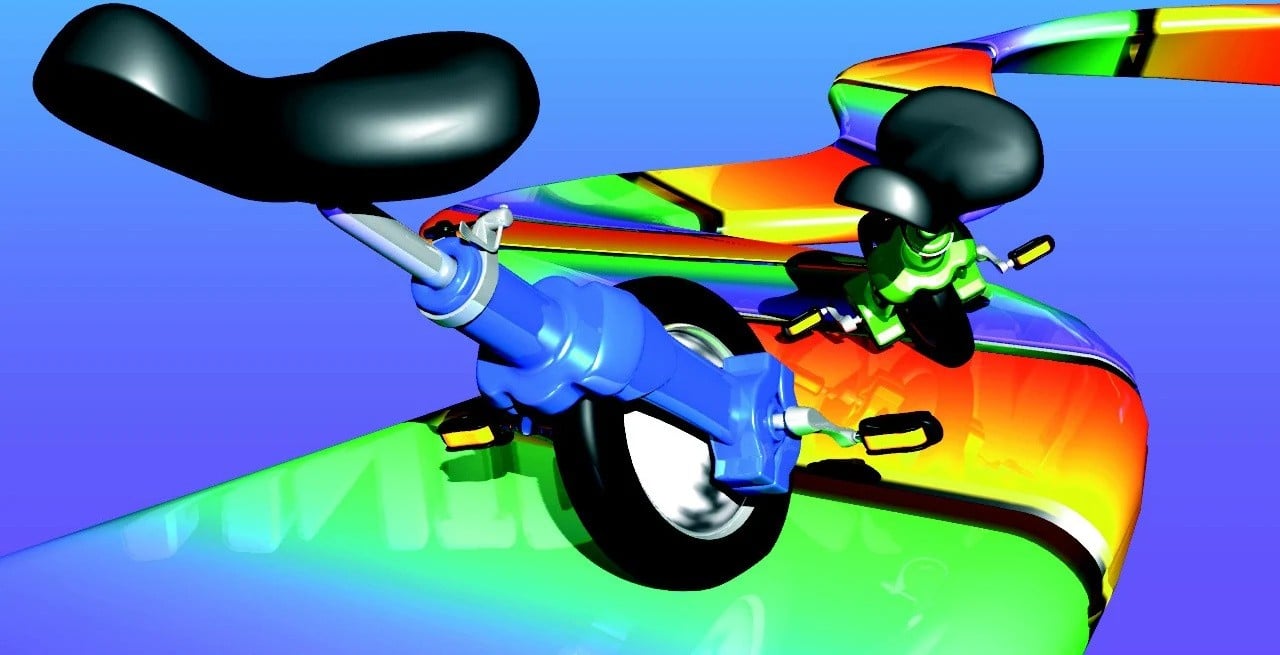
Uniracers (released as Unirally in Europe) is a cult SNES racer developed by Dundee-based DMA Design that debuted in the US in 1994 and in Europe in 1995.
The studio later went on to create the Grand Theft Auto series, making Uniracers a notable early entry in DMA's catalog.
Despite its creativity and dedicated fanbase, Uniracers has never received an official rerelease on modern platforms or Nintendo's eShop.
Background and the Lawsuit Claim
A story first widely publicized via a 2010 interview with designer Mike Dailly — republished on Nintendo Life and originally appearing in GamesTM — has long circulated: that Pixar sued Nintendo over the game, alleging Uniracers copied Pixar's 1987 animated short Red's Dream.
Dailly's account has often been cited as the primary source for the claim that legal action limited the game's distribution.
What the Investigation Found
A focused search of public court records, newspaper archives and video game history archives returned no documentation of a lawsuit between Pixar and Nintendo concerning Uniracers.
Outreach to individuals who worked on Red's Dream and at Pixar produced no memory of a case.
Craig Good, Pixar's early layout and camera polish artist who worked on Red's Dream, said he had no recollection of any lawsuit and volunteered to ask former colleagues.
Ralph Guggenheim, then vice president of feature animation and production coordinator on Red's Dream, likewise reported no personal recollection and noted he was heavily involved in getting Toy Story completed at the time, meaning such a dispute may not have reached his attention.
Revisiting DMA's Account
Dailly's public comments describe DMA's unicycle models as based on real unicycles and relay that Pixar compared footage from Red's Dream with Uniracers, arguing the unicycles looked nearly identical.
Dailly said he was told a judge sided with Pixar and that a resulting agreement constrained further manufacture of the game's cartridges — reportedly capping production around 300,000 units.
Those specific claims, as reported by Dailly, remain unsupported by independent court records or corroborating documentation uncovered during this investigation.
Attempts to Verify and Outstanding Leads
Journalistic attempts to contact DMA founder David Jones and Nintendo of America's staff who would have handled the project produced limited responses; some outreach was not answered.
Former Nintendo contacts suggested Tony Harmon as a possible source but he was not reached.
Given the absence of court filings or contemporary press coverage, the purported lawsuit remains unverified beyond Dailly's original account.
Conclusion
Uniracers remains an intriguing footnote in DMA Design's history and in SNES catalogues, but the widely repeated claim that Pixar successfully sued Nintendo over the game is not substantiated by public court records or the recollections of Pixar veterans contacted for this report.
The game’s 1994 (US) and 1995 (Europe) release dates and its SNES exclusivity are confirmed facts; the alleged legal restriction on reissuing cartridges rests on an uncorroborated claim.
Further archival discoveries or authoritative confirmations would be required to change the public record.
Uniracers (released as Unirally in Europe) is a cult SNES racer developed by Dundee-based DMA Design that debuted in the US in 1994 and in Europe in 1995.
The studio later went on to create the Grand Theft Auto series, making Uniracers a notable early entry in DMA's catalog.
Despite its creativity and dedicated fanbase, Uniracers has never received an official rerelease on modern platforms or Nintendo's eShop.
Background and the Lawsuit Claim
A story first widely publicized via a 2010 interview with designer Mike Dailly — republished on Nintendo Life and originally appearing in GamesTM — has long circulated: that Pixar sued Nintendo over the game, alleging Uniracers copied Pixar's 1987 animated short Red's Dream.
Dailly's account has often been cited as the primary source for the claim that legal action limited the game's distribution.
What the Investigation Found
A focused search of public court records, newspaper archives and video game history archives returned no documentation of a lawsuit between Pixar and Nintendo concerning Uniracers.
Outreach to individuals who worked on Red's Dream and at Pixar produced no memory of a case.
Craig Good, Pixar's early layout and camera polish artist who worked on Red's Dream, said he had no recollection of any lawsuit and volunteered to ask former colleagues.
Ralph Guggenheim, then vice president of feature animation and production coordinator on Red's Dream, likewise reported no personal recollection and noted he was heavily involved in getting Toy Story completed at the time, meaning such a dispute may not have reached his attention.
Revisiting DMA's Account
Dailly's public comments describe DMA's unicycle models as based on real unicycles and relay that Pixar compared footage from Red's Dream with Uniracers, arguing the unicycles looked nearly identical.
Dailly said he was told a judge sided with Pixar and that a resulting agreement constrained further manufacture of the game's cartridges — reportedly capping production around 300,000 units.
Those specific claims, as reported by Dailly, remain unsupported by independent court records or corroborating documentation uncovered during this investigation.
Attempts to Verify and Outstanding Leads
Journalistic attempts to contact DMA founder David Jones and Nintendo of America's staff who would have handled the project produced limited responses; some outreach was not answered.
Former Nintendo contacts suggested Tony Harmon as a possible source but he was not reached.
Given the absence of court filings or contemporary press coverage, the purported lawsuit remains unverified beyond Dailly's original account.
Conclusion
Uniracers remains an intriguing footnote in DMA Design's history and in SNES catalogues, but the widely repeated claim that Pixar successfully sued Nintendo over the game is not substantiated by public court records or the recollections of Pixar veterans contacted for this report.
The game’s 1994 (US) and 1995 (Europe) release dates and its SNES exclusivity are confirmed facts; the alleged legal restriction on reissuing cartridges rests on an uncorroborated claim.
Further archival discoveries or authoritative confirmations would be required to change the public record.