



Toy Story: Retro Roundup Review — Digital Eclipse Preserves Pixar’s Licensed Games
Introduction
Toy Story: Retro Roundup is a compilation that revisits the mid-to-late 1990s era of licensed tie-in games tied to Pixar properties.
Pixar’s Toy Story, released in 1995 as the first fully computer-animated feature film, spawned a wide range of merchandise and licensed video games across 16-bit consoles, PlayStation and handhelds.
Developer Traveller’s Tales earned publisher trust through earlier licensed work such as Mickey Mania (1994), and multiple studios and publishers produced disparate Toy Story-era games that this new collection aims to assemble and preserve.
What’s Included and Historical Context
The collection gathers console and handheld tie-ins originally released on platforms including the Sega Genesis/Mega Drive, Super NES, Sony PlayStation, Nintendo Game Boy and Game Boy Color.
These titles represent the license-driven approach of the 1990s, when movie releases commonly coincided with multiple, platform-specific game adaptations.
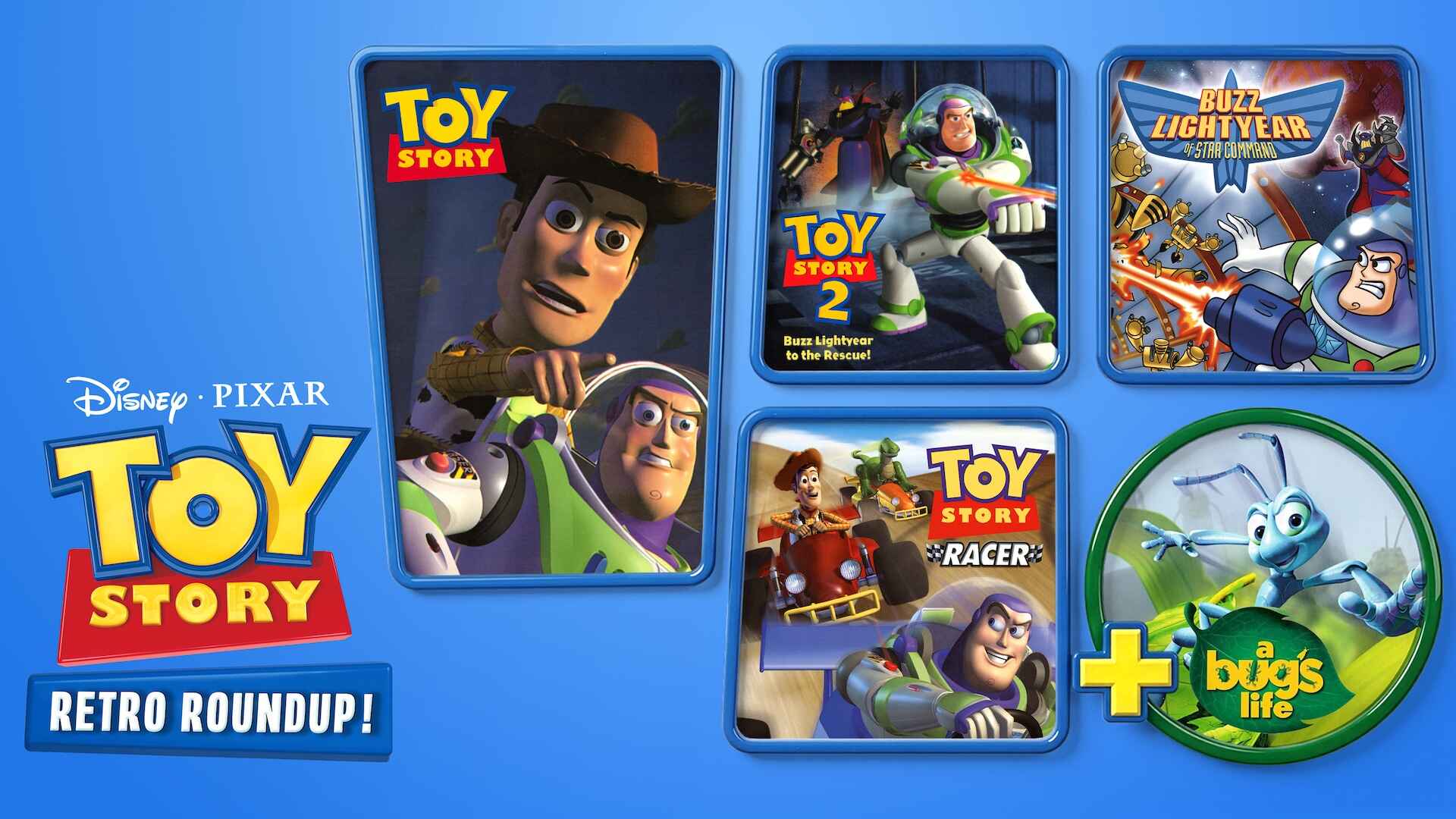
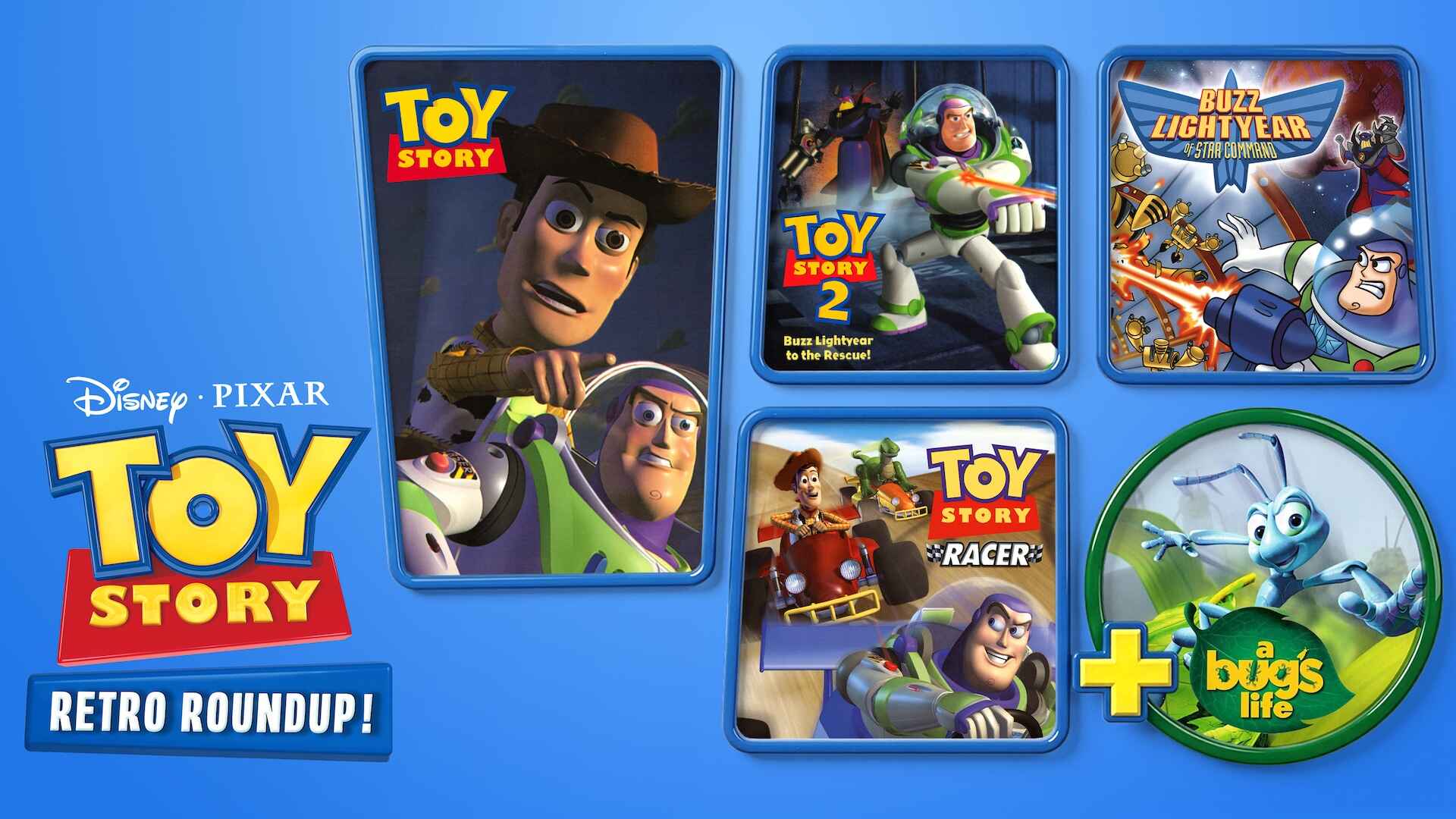
Toy Story (1995), A Bug’s Life (1998) and Toy Story 2 (1999) are the primary film anchors for the compilation’s source material, and the package also pulls in Buzz Lightyear of Star Command and Toy Story Racer entries that appeared on PlayStation and GBC hardware.
Packaging, Extras and Preservation Work
Digital Eclipse, a studio with a growing reputation for archival and documentary work in retro compilations, supplements the games with contextual materials: game music players, scans of original packaging and manuals, and short featurettes about the development of the individual titles.
One of the included interviews features Jim Hanks discussing his role as the actor who often supplies Woody’s voice in non-film projects, and the compilation’s developer commentary frames these licensed titles as historical artifacts rather than purely commercial throwaways.
Emulation, Features and Playability
The collection’s emulation includes modern conveniences: multiple save states, a rewind function and full control remapping where feasible.
Each game also exposes built-in cheats and, for most entries, a Practice Mode that automates play until the player chooses to intervene.
These features address the difficulty spikes and awkward control schemes common in 1990s licensed games and make the originals more approachable for contemporary players.
Assessment: Strengths and Weaknesses
The quality of the games varies widely—some console versions, particularly the Genesis/Mega Drive Toy Story implementation, demonstrate technical ambition for their era, while several handheld conversions are more rudimentary in design.
PlayStation entries offer the most scope but also reveal period-specific camera and control limitations.
Even when individual titles fall short as modern gameplay experiences, the compilation’s presentation, extras and preservation-minded options make it a strong archival release for fans of Pixar nostalgia and historians of licensed game development.
Conclusion
Toy Story: Retro Roundup functions well as both a nostalgia play and a preservation project.
For those interested in how major animated releases were adapted across late 20th-century game platforms, the package provides accessible, well-documented access to a range of historically significant, if uneven, licensed titles.
The collection’s emulation features and documentary materials are its greatest assets, helping contextualize and make playable games that might otherwise be lost to time.
Introduction
Toy Story: Retro Roundup is a compilation that revisits the mid-to-late 1990s era of licensed tie-in games tied to Pixar properties.
Pixar’s Toy Story, released in 1995 as the first fully computer-animated feature film, spawned a wide range of merchandise and licensed video games across 16-bit consoles, PlayStation and handhelds.
Developer Traveller’s Tales earned publisher trust through earlier licensed work such as Mickey Mania (1994), and multiple studios and publishers produced disparate Toy Story-era games that this new collection aims to assemble and preserve.
What’s Included and Historical Context
The collection gathers console and handheld tie-ins originally released on platforms including the Sega Genesis/Mega Drive, Super NES, Sony PlayStation, Nintendo Game Boy and Game Boy Color.
These titles represent the license-driven approach of the 1990s, when movie releases commonly coincided with multiple, platform-specific game adaptations.
Toy Story (1995), A Bug’s Life (1998) and Toy Story 2 (1999) are the primary film anchors for the compilation’s source material, and the package also pulls in Buzz Lightyear of Star Command and Toy Story Racer entries that appeared on PlayStation and GBC hardware.
Packaging, Extras and Preservation Work
Digital Eclipse, a studio with a growing reputation for archival and documentary work in retro compilations, supplements the games with contextual materials: game music players, scans of original packaging and manuals, and short featurettes about the development of the individual titles.
One of the included interviews features Jim Hanks discussing his role as the actor who often supplies Woody’s voice in non-film projects, and the compilation’s developer commentary frames these licensed titles as historical artifacts rather than purely commercial throwaways.
Emulation, Features and Playability
The collection’s emulation includes modern conveniences: multiple save states, a rewind function and full control remapping where feasible.
Each game also exposes built-in cheats and, for most entries, a Practice Mode that automates play until the player chooses to intervene.
These features address the difficulty spikes and awkward control schemes common in 1990s licensed games and make the originals more approachable for contemporary players.
Assessment: Strengths and Weaknesses
The quality of the games varies widely—some console versions, particularly the Genesis/Mega Drive Toy Story implementation, demonstrate technical ambition for their era, while several handheld conversions are more rudimentary in design.
PlayStation entries offer the most scope but also reveal period-specific camera and control limitations.
Even when individual titles fall short as modern gameplay experiences, the compilation’s presentation, extras and preservation-minded options make it a strong archival release for fans of Pixar nostalgia and historians of licensed game development.
Conclusion
Toy Story: Retro Roundup functions well as both a nostalgia play and a preservation project.
For those interested in how major animated releases were adapted across late 20th-century game platforms, the package provides accessible, well-documented access to a range of historically significant, if uneven, licensed titles.
The collection’s emulation features and documentary materials are its greatest assets, helping contextualize and make playable games that might otherwise be lost to time.