


Tomodachi Life: Living the Dream is generating buzz across the gaming community following the latest Nintendo Direct presentations, spotlighting the beloved life simulation series’ return to the Nintendo Switch.
Developed and published by Nintendo, Tomodachi Life: Living the Dream is scheduled for release on April 16, 2026, and promises players a fresh experience with its trademark quirky humor, customization flexibility, and an array of diverse storylines driven by user-created Miis.
One of the most talked-about aspects of the game’s recent unveiling is the marked difference between regional Nintendo Direct presentations, highlighting Nintendo’s commitment to localizing content for its global audience.
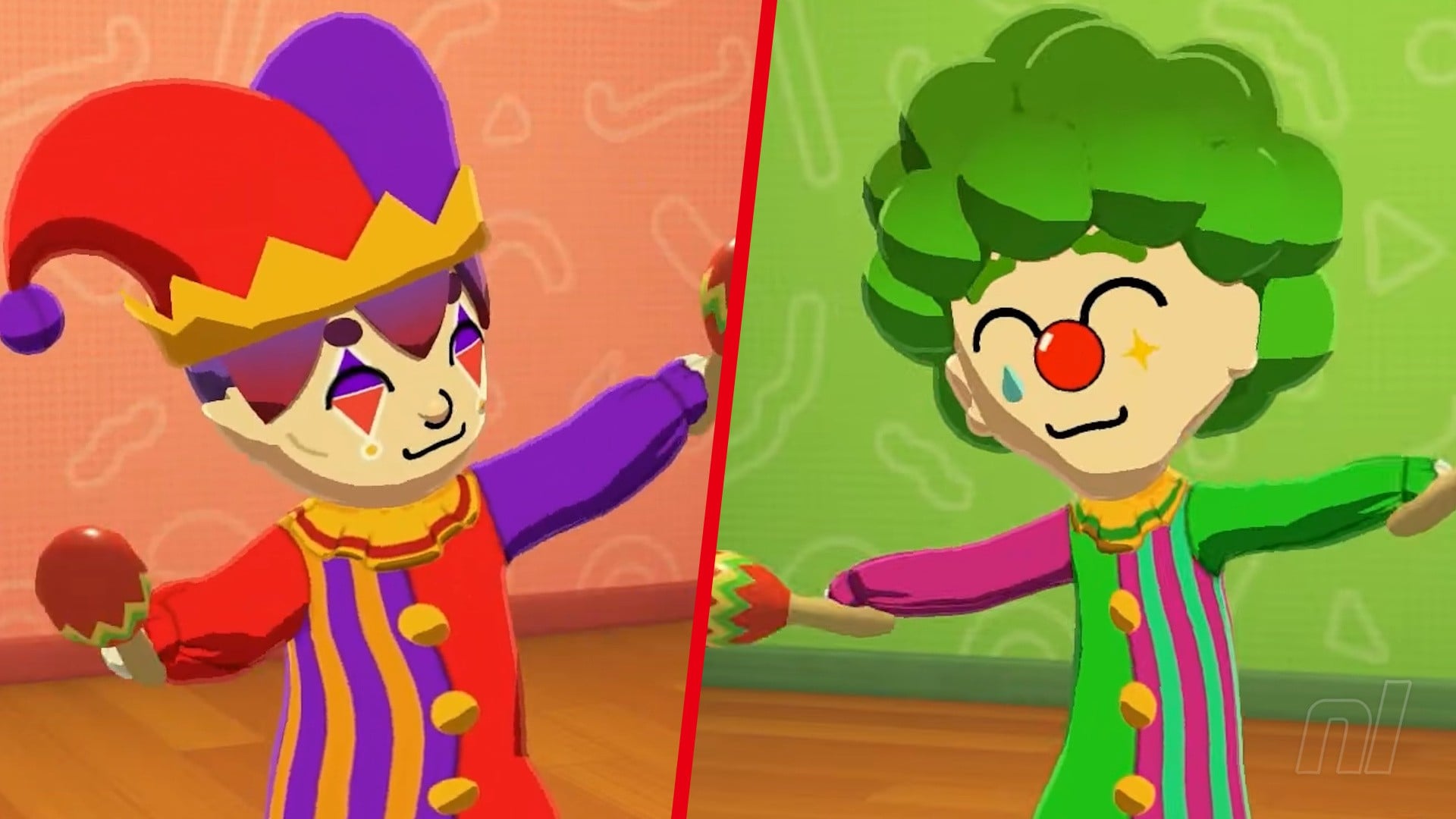
While viewers in the United States met characters like Hugh Morris—the eccentric, clown-like Mii introduced in the Nintendo of America Direct—fans in the United Kingdom were introduced to Bubbles the Clown and other exclusive characters, illustrating how the cast and their narratives can vary significantly by region.
These differences are not limited to individual characters.
For instance, the UK stream features Rosa as the player’s best friend, whereas the US stream follows Jess.
Similarly, Forian is depicted as a fitness enthusiast in the UK version, while Patrick is a guitar lover in the American presentation.
Notably, Carlo appears in both versions, though his personality shifts: he’s portrayed as a nosy busybody in the UK, and a barista in the US.
However, some constants remain, such as Mocha the Bear retaining its endearing role across both regions.
Visual and thematic distinctions also extend to in-game content.
The American Nintendo Direct highlighted a Hot Dog costume, while the UK presentation focused on Wizard and Bee outfits.
Differences are seen in the grocery store as well; more grocery items appeared during the US Direct, with the UK showcasing distinct rooms and decor options.
Even minor cutscenes feature localized changes, such as the inclusion of an alien in a UK romance subplot instead of the typical best friend rival.
Community members have actively compared these versions, with content creators publishing videos that analyze how the US and UK presentations diverge in both subtle and more overt ways.
Notable are the variations in the News Report segments, where the newsreader narrative and featured stories differ based on the region.
European Nintendo Directs generally follow the UK’s version (sometimes with subtitles), while Japan continues its tradition of separate localizations, featuring a unique cast such as Rika and Daisuke and distinct grocery items like octopus and rice bowls.
Despite these tailored localizations, the underlying gameplay mechanics, tone, and core content of Tomodachi Life: Living the Dream remain consistent worldwide.
Nintendo’s attention to regional authenticity enhances the player experience by making each release feel deeply connected to its audience, reaffirming the company’s expertise in global game development.
As anticipation builds for the Nintendo Switch release, fans are eager to dive into this endlessly customizable world and discover the peculiarities each region’s version has to offer.
Developed and published by Nintendo, Tomodachi Life: Living the Dream is scheduled for release on April 16, 2026, and promises players a fresh experience with its trademark quirky humor, customization flexibility, and an array of diverse storylines driven by user-created Miis.
One of the most talked-about aspects of the game’s recent unveiling is the marked difference between regional Nintendo Direct presentations, highlighting Nintendo’s commitment to localizing content for its global audience.
While viewers in the United States met characters like Hugh Morris—the eccentric, clown-like Mii introduced in the Nintendo of America Direct—fans in the United Kingdom were introduced to Bubbles the Clown and other exclusive characters, illustrating how the cast and their narratives can vary significantly by region.
These differences are not limited to individual characters.
For instance, the UK stream features Rosa as the player’s best friend, whereas the US stream follows Jess.
Similarly, Forian is depicted as a fitness enthusiast in the UK version, while Patrick is a guitar lover in the American presentation.
Notably, Carlo appears in both versions, though his personality shifts: he’s portrayed as a nosy busybody in the UK, and a barista in the US.
However, some constants remain, such as Mocha the Bear retaining its endearing role across both regions.
Visual and thematic distinctions also extend to in-game content.
The American Nintendo Direct highlighted a Hot Dog costume, while the UK presentation focused on Wizard and Bee outfits.
Differences are seen in the grocery store as well; more grocery items appeared during the US Direct, with the UK showcasing distinct rooms and decor options.
Even minor cutscenes feature localized changes, such as the inclusion of an alien in a UK romance subplot instead of the typical best friend rival.
Community members have actively compared these versions, with content creators publishing videos that analyze how the US and UK presentations diverge in both subtle and more overt ways.
Notable are the variations in the News Report segments, where the newsreader narrative and featured stories differ based on the region.
European Nintendo Directs generally follow the UK’s version (sometimes with subtitles), while Japan continues its tradition of separate localizations, featuring a unique cast such as Rika and Daisuke and distinct grocery items like octopus and rice bowls.
Despite these tailored localizations, the underlying gameplay mechanics, tone, and core content of Tomodachi Life: Living the Dream remain consistent worldwide.
Nintendo’s attention to regional authenticity enhances the player experience by making each release feel deeply connected to its audience, reaffirming the company’s expertise in global game development.
As anticipation builds for the Nintendo Switch release, fans are eager to dive into this endlessly customizable world and discover the peculiarities each region’s version has to offer.