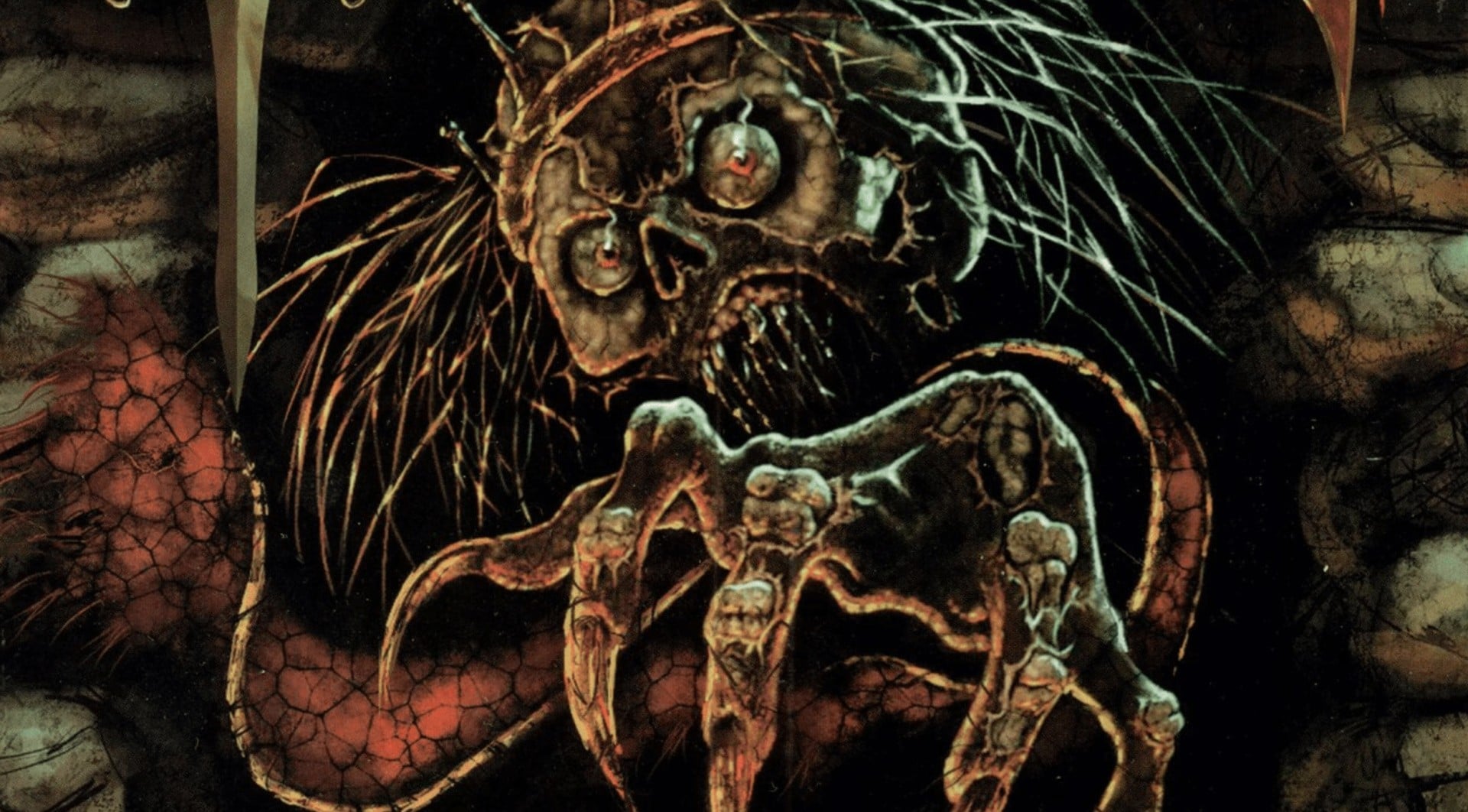
The Elder Scrolls II: Daggerfall, developed by Bethesda and first released for PC in 1996, stands as a milestone in open-world role-playing game design.
Renowned for its sprawling world and deep character customization, Daggerfall is equally infamous for its brutally difficult tutorial dungeon, a rite of passage that has challenged players for decades.
While the game never launched on Nintendo Switch or eShop, its design decisions remain influential across the gaming industry—even as The Elder Scrolls franchise continues to see new life on modern hardware and during Nintendo Direct announcements with later entries.
Earlier this week, Time Extension interviewed Bruce Nesmith, one of Daggerfall’s original designers, revisiting the creation of the game's notorious introduction.
Nesmith candidly reflected on his involvement, stating that he was the architect behind the game’s first dungeon—an area repeatedly cited by players for its high learning curve and punishing encounters.
According to Nesmith, "That initial dungeon, the one players begin in, was my responsibility.
So, if you ever felt frustrated or overwhelmed there, you have me to thank."
Nesmith explained that when he joined Bethesda partway through Daggerfall’s development, his chief responsibilities included crafting quests and designing dungeons.
The choice to start the game in a restrictive dungeon wasn’t solely his decision, however.
The final call, Nesmith notes, likely rested with leading designers Julian LeFay and Ted Peterson.
Nonetheless, he supported their vision, agreeing that an introductory dungeon was essential for onboarding players: "Most video games introduce players to their mechanics in a designated starting area.
It’s uncommon to set players loose in an open world without guidance—the developer needs to ensure you understand combat, movement, and all special systems, whether sneaking, climbing, or jumping.
For Daggerfall, our goal was to use the initial dungeon to make sure every character build was viable in early challenges."
While Daggerfall’s introductory dungeon has a reputation for its difficulty—frequent early deaths, tough enemies like the Imp, and requiring specialized weapons—its structure served a pedagogical purpose.
The design forced players to experiment and learn essential gameplay mechanics, albeit through adversity.
This approach, Nesmith suggested, became a foundational element in later series entries, with Bethesda's Todd Howard evolving the formula in The Elder Scrolls III: Morrowind and beyond, often beginning each adventure with the player cast as a prisoner.
This narrative device assured a controlled environment for player learning, building on Daggerfall’s challenging blueprint.
Despite its absence from Nintendo Switch or the eShop, The Elder Scrolls II: Daggerfall remains an enduring case study in world-building and player onboarding.
The game’s legacy continues to inspire both players and developers, underscoring the importance of a well-designed tutorial space—even if it means testing the patience of new adventurers.
Renowned for its sprawling world and deep character customization, Daggerfall is equally infamous for its brutally difficult tutorial dungeon, a rite of passage that has challenged players for decades.
While the game never launched on Nintendo Switch or eShop, its design decisions remain influential across the gaming industry—even as The Elder Scrolls franchise continues to see new life on modern hardware and during Nintendo Direct announcements with later entries.
Earlier this week, Time Extension interviewed Bruce Nesmith, one of Daggerfall’s original designers, revisiting the creation of the game's notorious introduction.
Nesmith candidly reflected on his involvement, stating that he was the architect behind the game’s first dungeon—an area repeatedly cited by players for its high learning curve and punishing encounters.
According to Nesmith, "That initial dungeon, the one players begin in, was my responsibility.
So, if you ever felt frustrated or overwhelmed there, you have me to thank."
Nesmith explained that when he joined Bethesda partway through Daggerfall’s development, his chief responsibilities included crafting quests and designing dungeons.
The choice to start the game in a restrictive dungeon wasn’t solely his decision, however.
The final call, Nesmith notes, likely rested with leading designers Julian LeFay and Ted Peterson.
Nonetheless, he supported their vision, agreeing that an introductory dungeon was essential for onboarding players: "Most video games introduce players to their mechanics in a designated starting area.
It’s uncommon to set players loose in an open world without guidance—the developer needs to ensure you understand combat, movement, and all special systems, whether sneaking, climbing, or jumping.
For Daggerfall, our goal was to use the initial dungeon to make sure every character build was viable in early challenges."
While Daggerfall’s introductory dungeon has a reputation for its difficulty—frequent early deaths, tough enemies like the Imp, and requiring specialized weapons—its structure served a pedagogical purpose.
The design forced players to experiment and learn essential gameplay mechanics, albeit through adversity.
This approach, Nesmith suggested, became a foundational element in later series entries, with Bethesda's Todd Howard evolving the formula in The Elder Scrolls III: Morrowind and beyond, often beginning each adventure with the player cast as a prisoner.
This narrative device assured a controlled environment for player learning, building on Daggerfall’s challenging blueprint.
Despite its absence from Nintendo Switch or the eShop, The Elder Scrolls II: Daggerfall remains an enduring case study in world-building and player onboarding.
The game’s legacy continues to inspire both players and developers, underscoring the importance of a well-designed tutorial space—even if it means testing the patience of new adventurers.