
Nintendo's market position and the future of the Nintendo Switch have become focal points for industry observers as Sony and Microsoft introduced their next-generation consoles in November 2020.
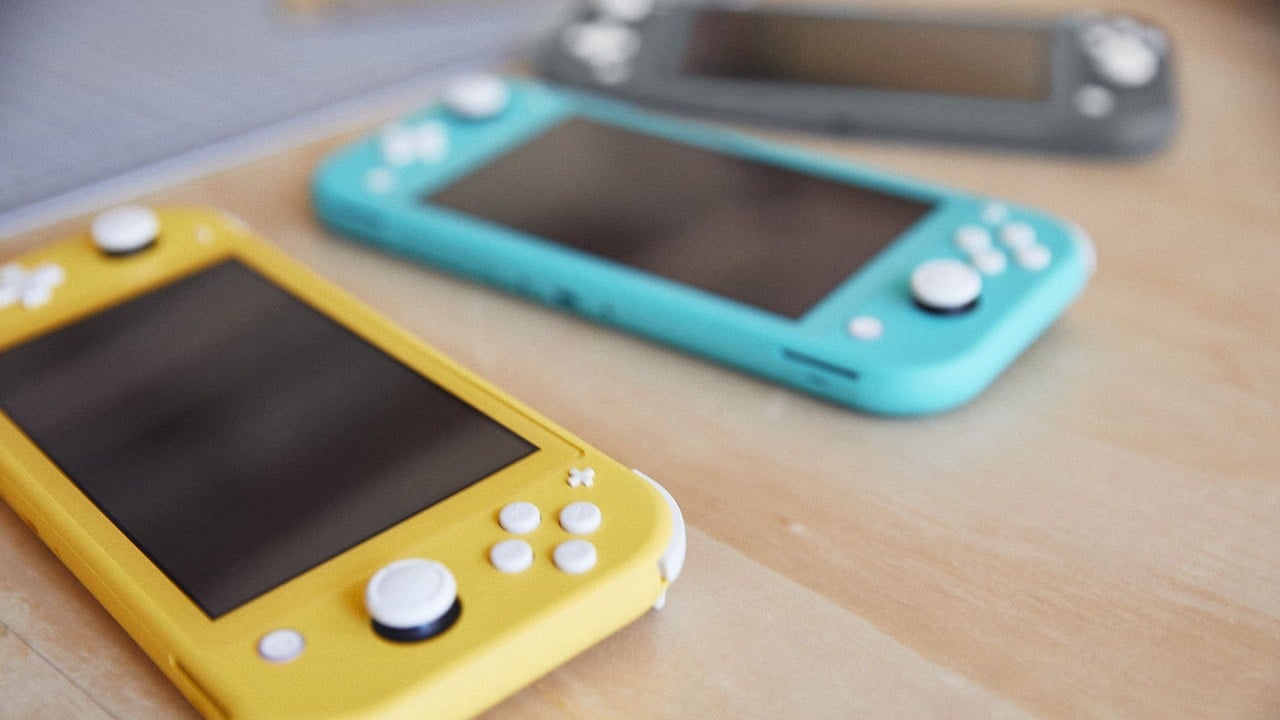
The Switch, first released on March 3, 2017, followed by the handheld-focused Switch Lite on September 20, 2019, has remained a strong performer in software and hardware sales worldwide.
In a recent interview with Nintendo Everything, Engine Software Vice President Ruud van de Moosdijk offered a perspective on how the Switch fits alongside the PlayStation 5 and Xbox Series X/S.
Van de Moosdijk framed the Switch as occupying a distinct niche within the console market.
He said the platform, much like Nintendo’s Wii before it, appeals via unique experiences rather than raw processing power or memory capacity.
In his view, that differentiation helps the Switch maintain momentum even as competitors emphasize cutting-edge graphics and hardware upgrades.
He also addressed recurring declarations that Nintendo’s era is over, saying he finds such predictions premature and often worth a smile.
That sentiment aligns with Nintendo’s longstanding strategy of prioritizing novel gameplay and platform-specific experiences over direct hardware competition.
Engine Software is known within the games industry for console porting and support work.
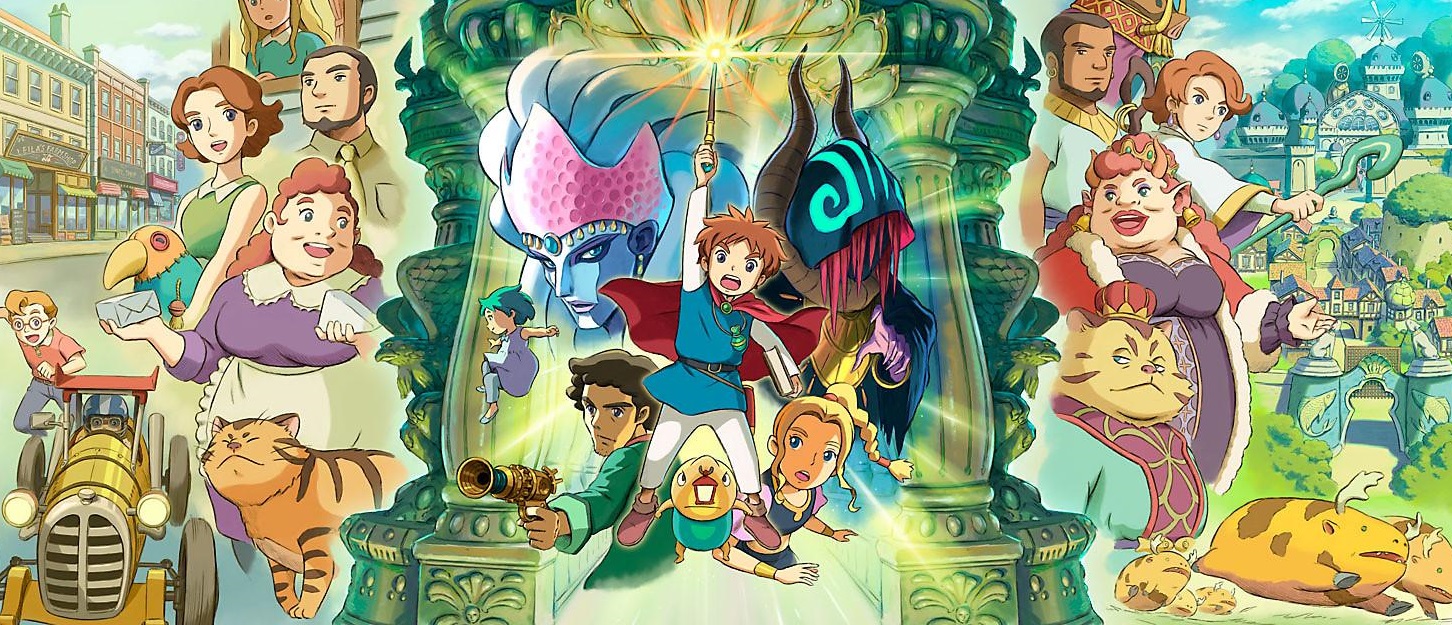
The studio contributed to Switch ports including Ni no Kuni: Wrath of the White Witch, which released on the platform in 2019.
Such third-party partnerships have helped broaden the Switch’s software library and demonstrated the platform’s viability for remasters and cross-platform releases.
The idea that Nintendo focuses on uniqueness rather than raw specifications has been echoed by former Nintendo of America president Reggie Fils-Aimé, who emphasized the company’s internal drive to “create something unique” across disciplines.
Nintendo president Shuntaro Furukawa has also publicly discussed efforts to extend the Switch’s lifecycle through a steady flow of first-party content and enhancements to digital services and network offerings.
Factually grounded milestones — the Switch family’s 2017 and 2019 launches and the November 2020 release of PlayStation 5 and Xbox Series X/S — provide a timeline for understanding how platform cycles overlap.
For now, industry veterans like van de Moosdijk argue the Switch’s distinct market position and continued software support will be key determinants of its longevity.
Readers familiar with the hardware and development ecosystem can weigh these perspectives against ongoing releases on the Nintendo eShop, Nintendo Direct presentations, and third-party support trends.
The Switch, first released on March 3, 2017, followed by the handheld-focused Switch Lite on September 20, 2019, has remained a strong performer in software and hardware sales worldwide.
In a recent interview with Nintendo Everything, Engine Software Vice President Ruud van de Moosdijk offered a perspective on how the Switch fits alongside the PlayStation 5 and Xbox Series X/S.
Van de Moosdijk framed the Switch as occupying a distinct niche within the console market.
He said the platform, much like Nintendo’s Wii before it, appeals via unique experiences rather than raw processing power or memory capacity.
In his view, that differentiation helps the Switch maintain momentum even as competitors emphasize cutting-edge graphics and hardware upgrades.
He also addressed recurring declarations that Nintendo’s era is over, saying he finds such predictions premature and often worth a smile.
That sentiment aligns with Nintendo’s longstanding strategy of prioritizing novel gameplay and platform-specific experiences over direct hardware competition.
Engine Software is known within the games industry for console porting and support work.
The studio contributed to Switch ports including Ni no Kuni: Wrath of the White Witch, which released on the platform in 2019.
Such third-party partnerships have helped broaden the Switch’s software library and demonstrated the platform’s viability for remasters and cross-platform releases.
The idea that Nintendo focuses on uniqueness rather than raw specifications has been echoed by former Nintendo of America president Reggie Fils-Aimé, who emphasized the company’s internal drive to “create something unique” across disciplines.
Nintendo president Shuntaro Furukawa has also publicly discussed efforts to extend the Switch’s lifecycle through a steady flow of first-party content and enhancements to digital services and network offerings.
Factually grounded milestones — the Switch family’s 2017 and 2019 launches and the November 2020 release of PlayStation 5 and Xbox Series X/S — provide a timeline for understanding how platform cycles overlap.
For now, industry veterans like van de Moosdijk argue the Switch’s distinct market position and continued software support will be key determinants of its longevity.
Readers familiar with the hardware and development ecosystem can weigh these perspectives against ongoing releases on the Nintendo eShop, Nintendo Direct presentations, and third-party support trends.