
On February 26, 2011, Nintendo launched the Nintendo 3DS, a handheld console that would go on to define a new era in portable gaming.
Now, as the 3DS marks its 15th anniversary, enthusiasts and industry veterans alike are reflecting on its enduring influence and the broad family of models it inspired.
Despite the arrival of successors such as the Nintendo Switch and Nintendo Switch Lite, the 3DS remains a beloved cornerstone of Nintendo's hardware lineup, celebrated for its innovative technology and an impressive library of games, including critical favorites like 'Animal Crossing: New Leaf,' 'The Legend of Zelda: A Link Between Worlds,' and 'Tomodachi Life.'
Upon its release, the Nintendo 3DS was lauded for its autostereoscopic 3D display, which allowed players to experience stereoscopic 3D visuals without the need for special glasses—a true innovation in handheld gaming at the time.
The system also featured both internal and external cameras, enabling unique AR (Augmented Reality) experiences and a suite of playful software that showcased these capabilities.
The original 3DS model stood out with its distinct trio of Select, Home, and Start buttons, as well as a signature circle pad for enhanced control.
The 3DS family quickly expanded.
In July 2012, Nintendo introduced the 3DS XL, giving fans a larger 124mm screen—up from the original 90mm—making gameplay more visually engaging without sacrificing any core functionality.
This larger model was well-received, catering to players who desired a more immersive experience.
Continuing its tradition of catering to diverse needs, Nintendo released the 2DS in October 2013.
This model offered the same robust library as the 3DS, but without the 3D feature and the clamshell folding design, making it a budget-friendly, durable option ideal for younger gamers and those uninterested in the 3D effects.
While the design was met with mixed reviews, the removal of autostereoscopic 3D was seen by many as a practical choice, addressing feedback from players who found the feature unnecessary.
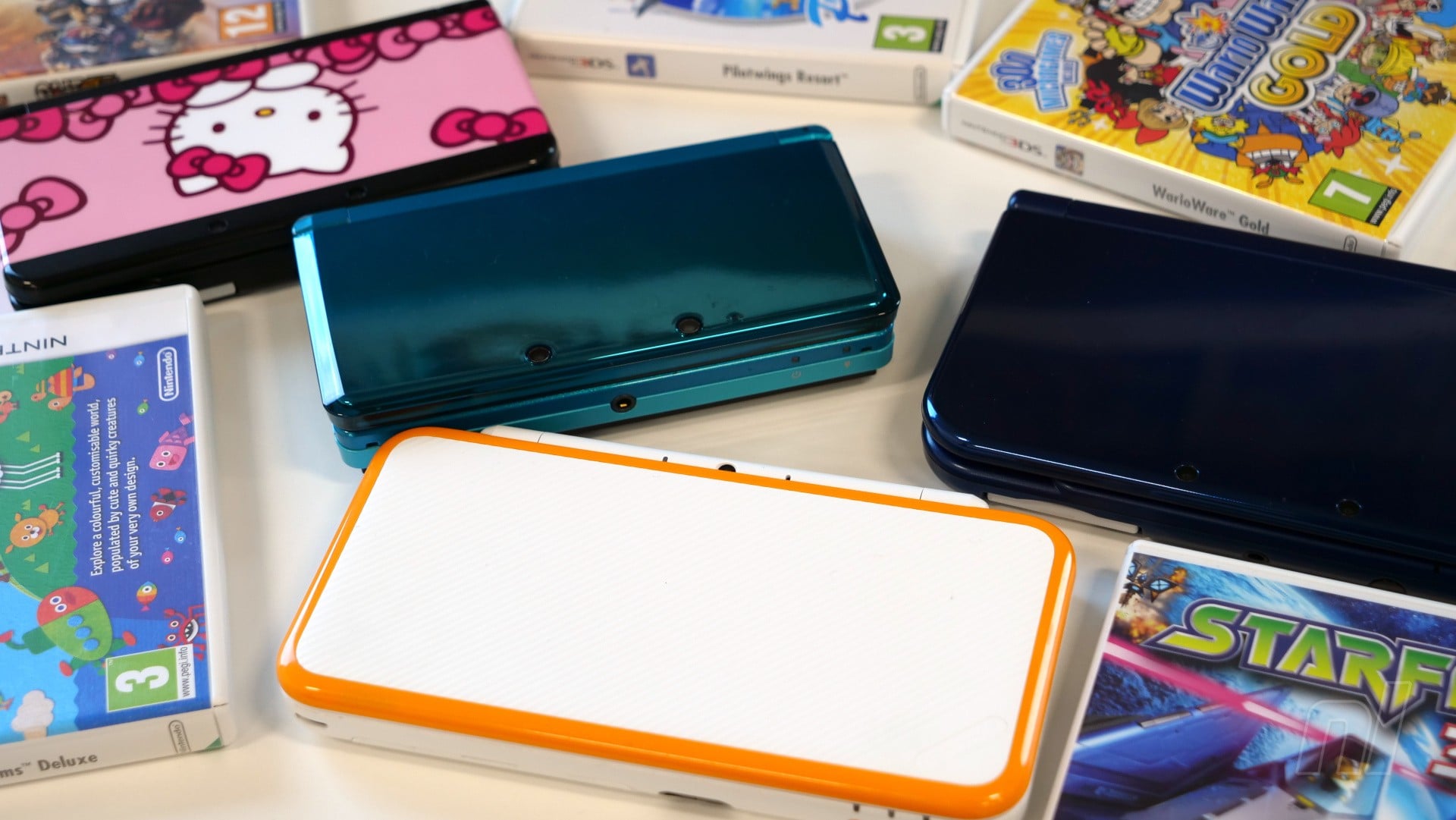
Between 2011 and 2017, Nintendo rolled out several hardware revisions under the 3DS brand—including the New Nintendo 3DS and New 2DS XL—each iteration refining the user experience with improved processing power, control options like the C-Stick, and larger, brighter screens.
As the original 3DS celebrates 15 years, its legacy as a groundbreaking platform endures.
The system's blend of innovative hardware, diverse model range, and an unparalleled game library continue to endear it to fans worldwide.
Whether experienced through nostalgia or daily play, the Nintendo 3DS family stands as a testament to Nintendo's continued leadership and creativity in handheld gaming.
Now, as the 3DS marks its 15th anniversary, enthusiasts and industry veterans alike are reflecting on its enduring influence and the broad family of models it inspired.
Despite the arrival of successors such as the Nintendo Switch and Nintendo Switch Lite, the 3DS remains a beloved cornerstone of Nintendo's hardware lineup, celebrated for its innovative technology and an impressive library of games, including critical favorites like 'Animal Crossing: New Leaf,' 'The Legend of Zelda: A Link Between Worlds,' and 'Tomodachi Life.'
Upon its release, the Nintendo 3DS was lauded for its autostereoscopic 3D display, which allowed players to experience stereoscopic 3D visuals without the need for special glasses—a true innovation in handheld gaming at the time.
The system also featured both internal and external cameras, enabling unique AR (Augmented Reality) experiences and a suite of playful software that showcased these capabilities.
The original 3DS model stood out with its distinct trio of Select, Home, and Start buttons, as well as a signature circle pad for enhanced control.
The 3DS family quickly expanded.
In July 2012, Nintendo introduced the 3DS XL, giving fans a larger 124mm screen—up from the original 90mm—making gameplay more visually engaging without sacrificing any core functionality.
This larger model was well-received, catering to players who desired a more immersive experience.
Continuing its tradition of catering to diverse needs, Nintendo released the 2DS in October 2013.
This model offered the same robust library as the 3DS, but without the 3D feature and the clamshell folding design, making it a budget-friendly, durable option ideal for younger gamers and those uninterested in the 3D effects.
While the design was met with mixed reviews, the removal of autostereoscopic 3D was seen by many as a practical choice, addressing feedback from players who found the feature unnecessary.
Between 2011 and 2017, Nintendo rolled out several hardware revisions under the 3DS brand—including the New Nintendo 3DS and New 2DS XL—each iteration refining the user experience with improved processing power, control options like the C-Stick, and larger, brighter screens.
As the original 3DS celebrates 15 years, its legacy as a groundbreaking platform endures.
The system's blend of innovative hardware, diverse model range, and an unparalleled game library continue to endear it to fans worldwide.
Whether experienced through nostalgia or daily play, the Nintendo 3DS family stands as a testament to Nintendo's continued leadership and creativity in handheld gaming.