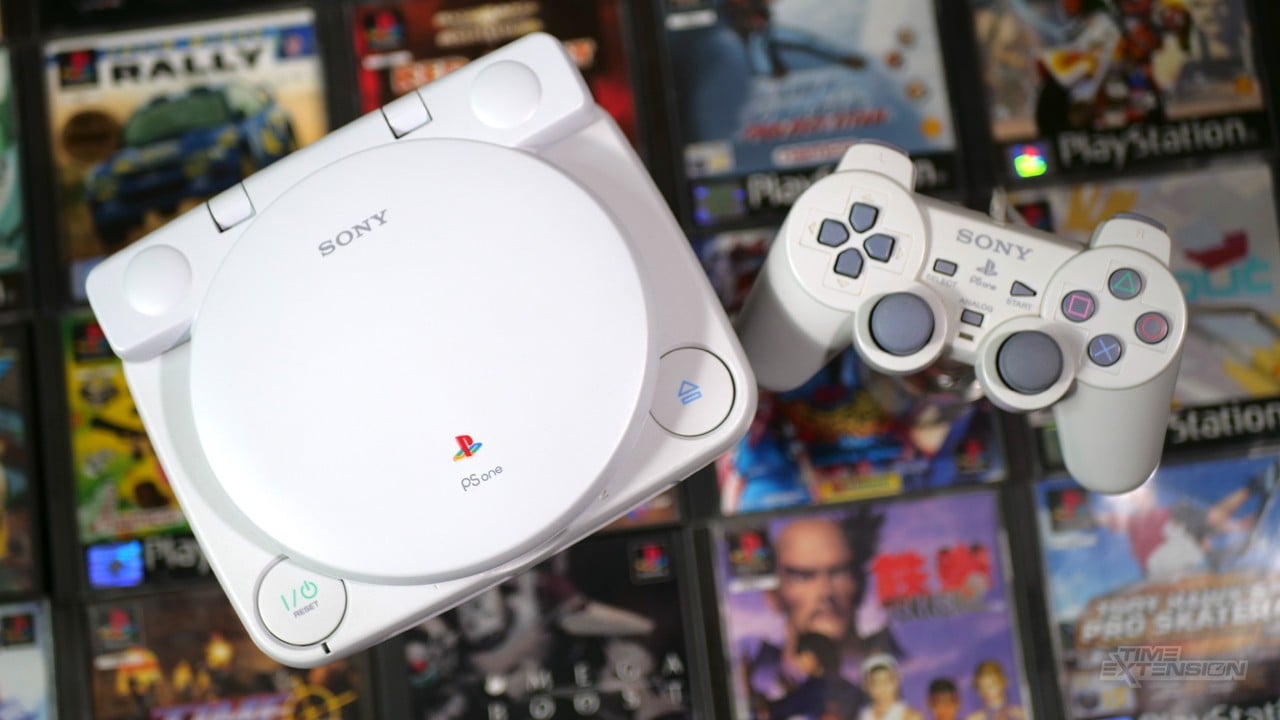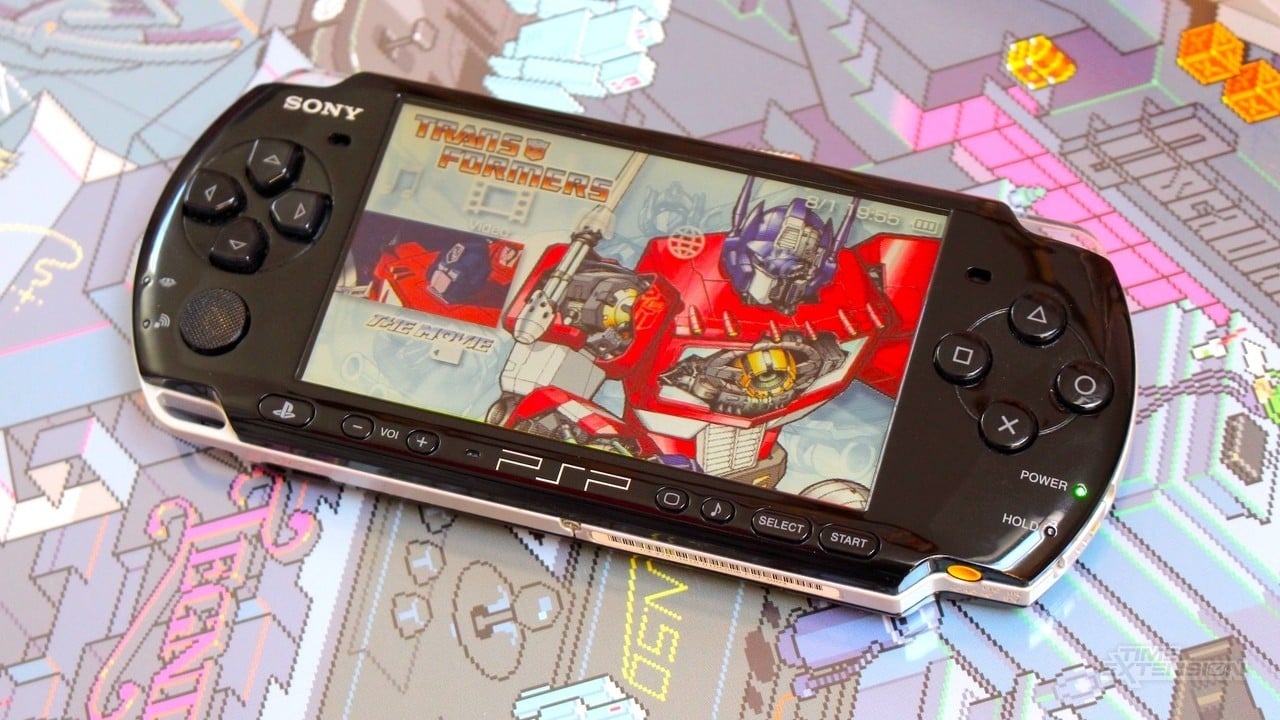



Read-Only Memory’s PlayStation: The First 30 Years arrives as both a celebration and a record of one of gaming’s most consequential brands.
The 400-page, coffee-table hardback gathers visual archival material, marketing, hardware and software design, and developer profiles tracing PlayStation’s evolution from the original PlayStation through the current generation.
Read-Only Memory (ROM) is known for premium, collectible books documenting video game history, and this volume joins its catalogue as a major retrospective on Sony’s console lineage.
PlayStation’s commercial and cultural impact is well-documented: the original PlayStation launched in Japan in December 1994 and reached international markets in 1995, establishing Sony as a major platform holder.
Subsequent hardware milestones include the PlayStation 2 — the best-selling home console of all time with over 155 million units sold — the PlayStation 3 and PlayStation 4 families, and the current PlayStation 5 generation.
Across those generations, PlayStation became a globally recognizable brand and a primary platform for many of the industry’s largest releases.
The ROM book is positioned as a visual history, compiling photography, promotional material, and behind-the-scenes commentary from designers and industry figures.
Priced at $125, PlayStation: The First 30 Years is being marketed as a high-end collector’s item for fans and historians of the medium.
The book’s arrival coincides with ongoing industry conversations about the nature of digital purchases and consumer rights.
In recent legal filings, Sony argued that in today’s digital marketplace it is not reasonable to claim that consumers believed they were obtaining permanent ownership of a digital game.
Rewritten in plain journalistic terms: Sony told the court that consumers could not reasonably have expected to own digital titles outright, given how digital licenses and storefronts operate.
That position has amplified public debate about what gamers actually own when they buy digital software from platform stores such as the PlayStation Store, and how those practices compare to physical media.
The discussion also intersects with broader platform and retail topics — including how Nintendo manages digital distribution on Nintendo Switch via the eShop and its own messaging around ownership and account-based rights.
PlayStation: The First 30 Years is both a retrospective celebration of hardware, software and brand design and a timely artifact released amid evolving legal and consumer discussions on digital ownership.
For collectors and industry observers, ROM’s new volume is a definitive visual compendium; for the broader industry, it underscores how platform histories and business models continue to shape player expectations and regulatory scrutiny.