The story of the so‑called Nintendo Play Station is a pivotal chapter in console history.
It begins with Ken Kutaragi, the Sony engineer who helped design audio hardware for Nintendo’s Super Famicom (released in Japan on November 21, 1990), and ends with Sony’s decision to build its own console, the PlayStation.
The partnership between Nintendo and Sony to explore a CD-ROM add-on for the Super Famicom unraveled when Nintendo elected to pursue a deal with Philips, setting in motion events that led to the 1994 launch of the Sony PlayStation.
Kutaragi’s early work at Sony included development of the sound subsystem used in the Super Famicom.
That technical relationship evolved into a joint effort to create a CD-ROM expansion for Nintendo’s cartridge-based system.
Nintendo’s leadership, however — notably president Hiroshi Yamauchi — shifted strategy and negotiated with Philips instead, a move that surprised Sony and those working on the prototype.
Kutaragi has described the transition in measured terms, noting that he initially built the prototype as a subsystem for Nintendo and never envisioned it becoming the foundation of a standalone console franchise.
After Nintendo’s decision, he acknowledged the setback but framed it as an opportunity: with Sony no longer tied to the Nintendo arrangement, the company was free to pursue its own hardware ambitions.
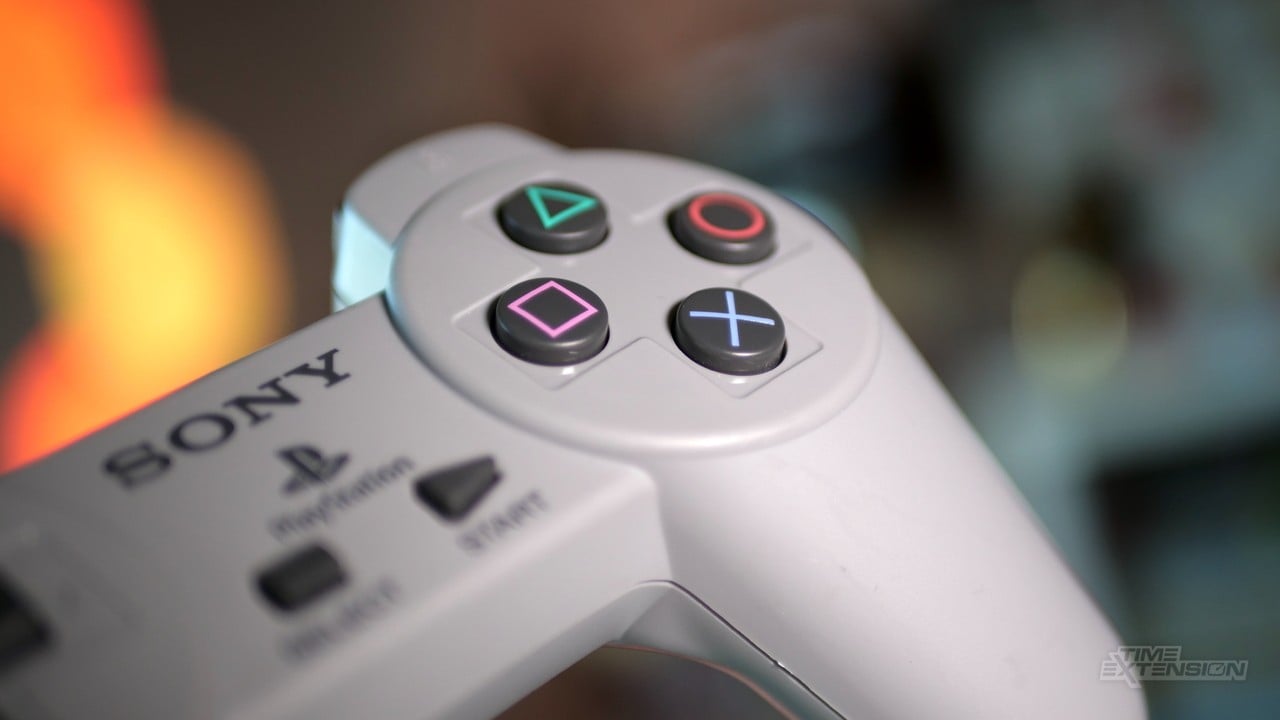
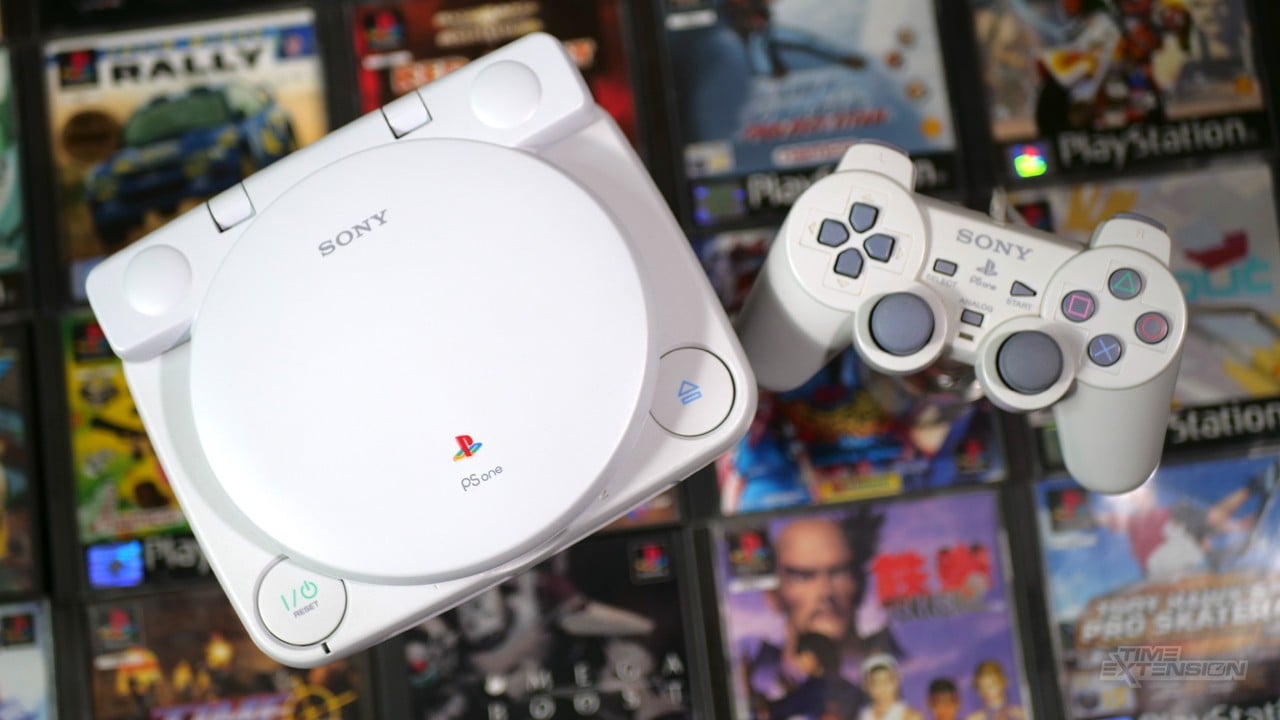
In the wake of the split, Kutaragi led the internal push at Sony that produced the PlayStation, which released in Japan on December 3, 1994, in North America on September 9, 1995, and in Europe later that month.
The PlayStation went on to become one of gaming’s most significant platforms, selling more than 102 million units worldwide and establishing Sony as a major console manufacturer.
Contrary to popular myth that Kutaragi pursued Sony’s console business as an act of revenge against Nintendo, he has rejected that framing.
He has said he never set out to “crush” Nintendo, emphasizing that his work focused on engineering and opportunity rather than retaliation.
Nintendo’s alternative deal with Philips resulted in licensed CD‑i products and a handful of CD‑i titles featuring Nintendo characters in the early 1990s.
The prototype hardware connecting Sony and Nintendo — commonly called the "Nintendo Play Station" — surfaced publicly in 2015, and photos and videos of the unit are available for those researching the era.
Today the episode is often revisited in retrospectives on platform history, and it remains relevant context for observers tracking Nintendo’s hardware evolution from the Super Famicom era through later systems such as the Nintendo Switch and the company’s modern digital storefronts like the eShop and promotional events such as Nintendo Direct.