Industry chatter around a PlayStation 6 handheld has returned to the spotlight as platforms and publishers reassess how to reach handheld gamers in the Nintendo Switch era.
The long-running rumors about a PlayStation 6 device — including chatter about multiple SKUs, one focused on home play and another on handheld play — have prompted renewed discussion about whether Sony will return to the dedicated portable market.
Former Sony Interactive Entertainment executive Shawn Layden has publicly commented on the franchise-era dynamics that complicate such a move.
Layden, who served in senior leadership roles at PlayStation, drew on Sony’s past hardware cycles when assessing the risks of running parallel platforms.
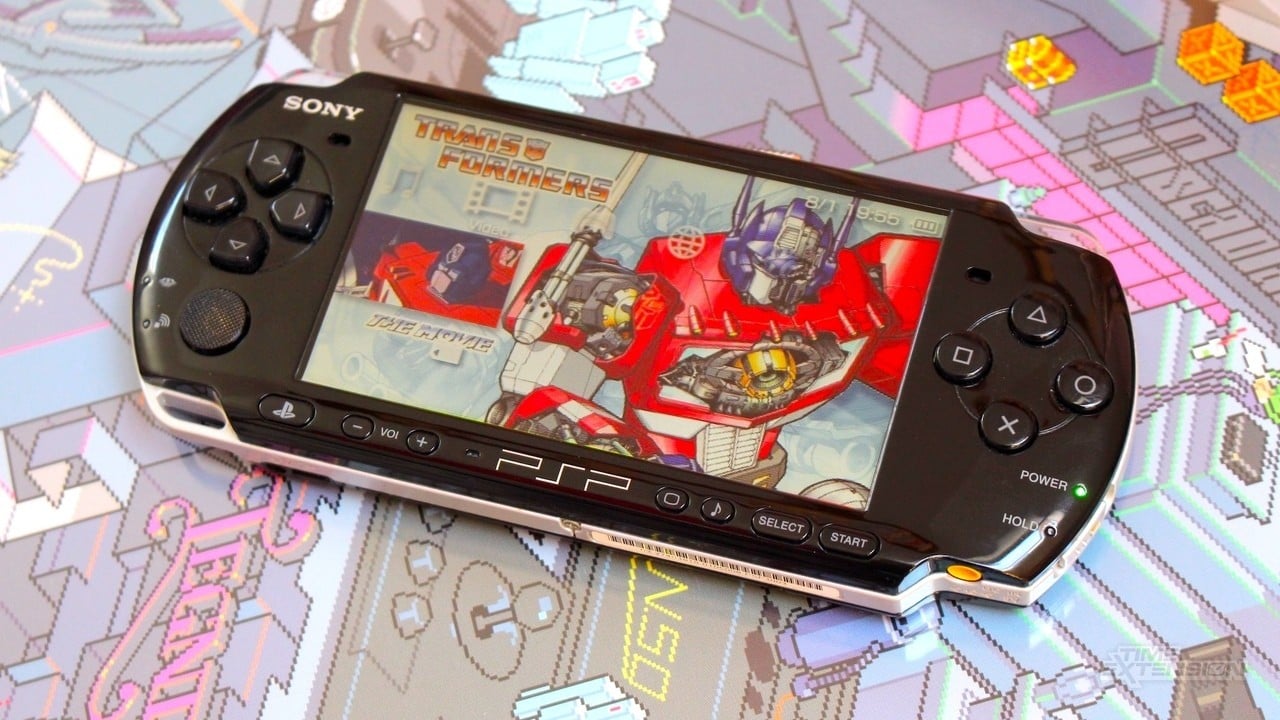
In paraphrase, he said Sony historically struggled to market two platforms at once: while the PlayStation Portable (PSP) found commercial success after its 2004–2005 launches, the PlayStation 3 era complicated support for the subsequent Vita, which launched in 2011–2012.
He pointed out that companies have finite marketing budgets, and when resources are split between console and handheld, the less successful product can be neglected.
Layden also suggested a structural answer used by some companies: creating a separate organizational focus for a handheld effort.
In journalistic terms, he argued that establishing a distinct team or division dedicated to a handheld product could help avoid the competing priorities that arise when one marketing budget must cover both a console and a portable device.
Those comments arrive against a backdrop of platform history that is relevant to any handheld conversation.
The PSP and PS Vita represent Sony’s two primary entries in the modern portable market, with the PSP launching in 2004–2005 and the Vita in 2011–2012.
The PlayStation 3 launched in 2006 and dominated Sony’s focus through that generation.
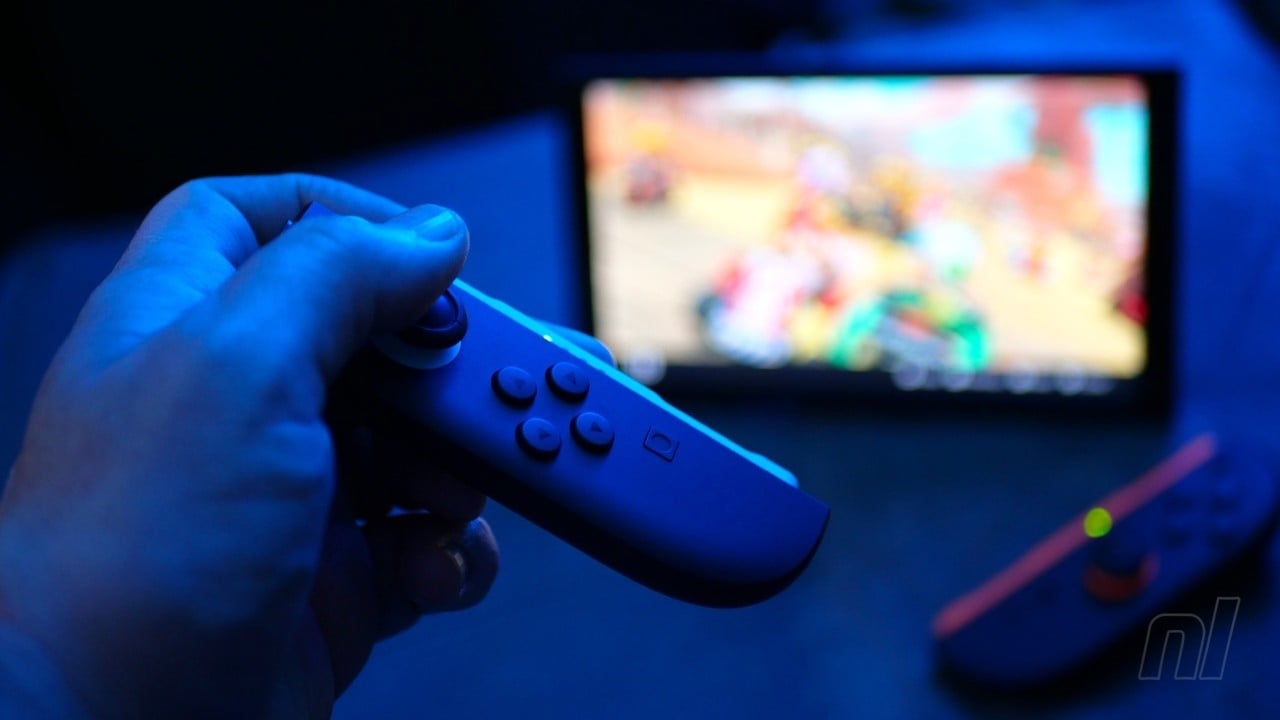
By contrast, Nintendo entered the current generation with the Nintendo Switch on March 3, 2017, a hybrid system that has reshaped consumer expectations for handheld-capable hardware.
Microsoft has also been the subject of handheld-related reports under codenames such as Project Helix, and the broader market continues to shift as digital storefronts like the Nintendo eShop and recurring events such as Nintendo Direct influence consumer attention.
Layden’s comments underscore the strategic trade-offs platform holders face when considering separate hardware lines and offer a pragmatic lens on why Sony might approach any future handheld effort differently than in the past.
As official announcements remain the only definitive confirmation, industry watchers will continue to parse statements from executives and track how legacy hardware lessons shape future decisions for PlayStation, Microsoft and Nintendo in the handheld space.
The long-running rumors about a PlayStation 6 device — including chatter about multiple SKUs, one focused on home play and another on handheld play — have prompted renewed discussion about whether Sony will return to the dedicated portable market.
Former Sony Interactive Entertainment executive Shawn Layden has publicly commented on the franchise-era dynamics that complicate such a move.
Layden, who served in senior leadership roles at PlayStation, drew on Sony’s past hardware cycles when assessing the risks of running parallel platforms.
In paraphrase, he said Sony historically struggled to market two platforms at once: while the PlayStation Portable (PSP) found commercial success after its 2004–2005 launches, the PlayStation 3 era complicated support for the subsequent Vita, which launched in 2011–2012.
He pointed out that companies have finite marketing budgets, and when resources are split between console and handheld, the less successful product can be neglected.
Layden also suggested a structural answer used by some companies: creating a separate organizational focus for a handheld effort.
In journalistic terms, he argued that establishing a distinct team or division dedicated to a handheld product could help avoid the competing priorities that arise when one marketing budget must cover both a console and a portable device.
Those comments arrive against a backdrop of platform history that is relevant to any handheld conversation.
The PSP and PS Vita represent Sony’s two primary entries in the modern portable market, with the PSP launching in 2004–2005 and the Vita in 2011–2012.
The PlayStation 3 launched in 2006 and dominated Sony’s focus through that generation.
By contrast, Nintendo entered the current generation with the Nintendo Switch on March 3, 2017, a hybrid system that has reshaped consumer expectations for handheld-capable hardware.
Microsoft has also been the subject of handheld-related reports under codenames such as Project Helix, and the broader market continues to shift as digital storefronts like the Nintendo eShop and recurring events such as Nintendo Direct influence consumer attention.
Layden’s comments underscore the strategic trade-offs platform holders face when considering separate hardware lines and offer a pragmatic lens on why Sony might approach any future handheld effort differently than in the past.
As official announcements remain the only definitive confirmation, industry watchers will continue to parse statements from executives and track how legacy hardware lessons shape future decisions for PlayStation, Microsoft and Nintendo in the handheld space.