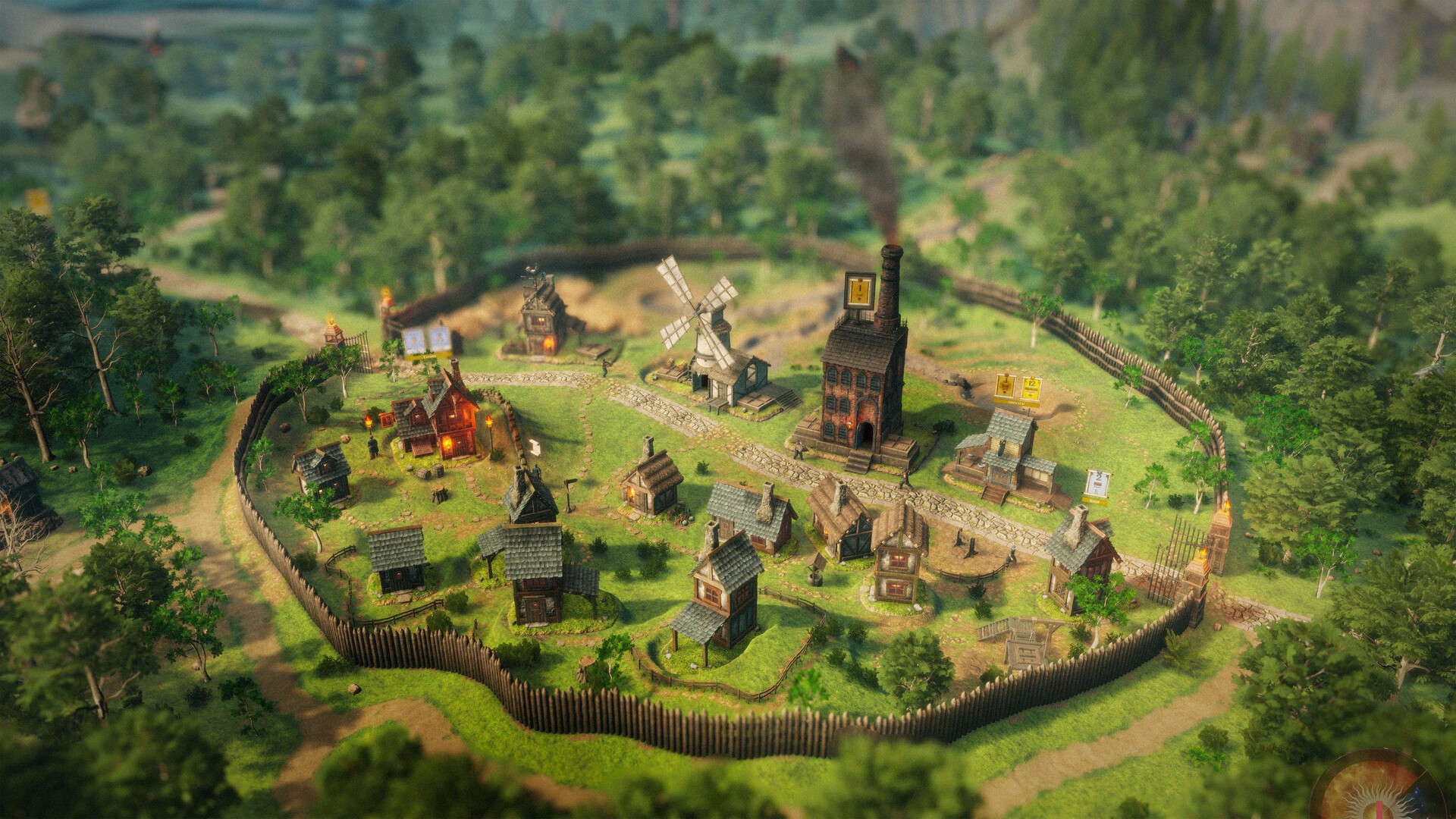
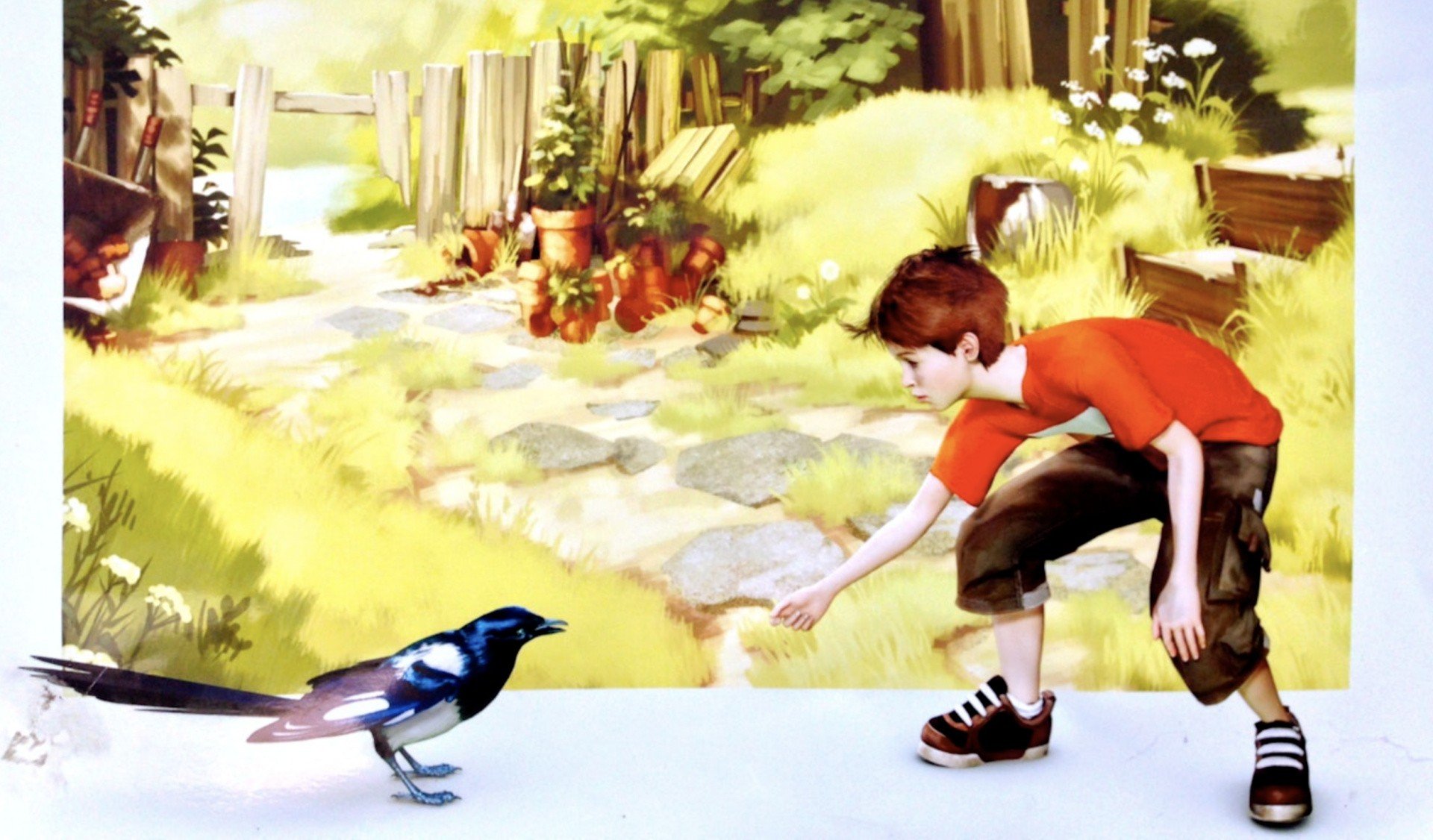
Peter Molyneux, renowned for his visionary contributions to video games, continues to leave a mark on the industry through iconic titles such as Populous, Theme Park, Fable, Dungeon Keeper, and Black & White. The veteran game designer made headlines again following a recent interview in EDGE magazine, discussing his latest project, Masters of Albion, which brings him together with numerous former collaborators. Yet, Molyneux’s candid recollections about the ill-fated Milo—once billed as a landmark experience for the Microsoft Kinect platform—offer fresh insight into a pivotal moment in interactive entertainment.
Originally announced as a groundbreaking showcase for Project Natal, the technology that would ultimately become Kinect, Milo represented the ambitions of motion-sensing gameplay at the dawn of the 2010s. Molyneux recounted to EDGE that the initial conception leveraged the powerful Natal prototype, an iteration of hardware with “breathtaking” capabilities that came at a significant cost. However, when the final Kinect hardware shipped with reduced specifications due to budget constraints, the vision behind Milo was put at risk.
Describing the difficulties this presented, Molyneux told EDGE, "Imagine playing a game where your controller only worked properly one time in five—no matter how strong the game was, the result would be terrible. That encapsulates the problems we faced with Milo. Though we could have pressed forward or attempted to convince management, the core experience relied entirely on hardware support, and those challenges became insurmountable." Ultimately, the project was cancelled, becoming one of the most prominent examples of overpromising in the gaming industry’s recent history.
Despite these setbacks, Molyneux expressed a lingering attachment to the concept, citing Milo as "unfinished business." He reflected that the journey was "an incredible experience, with real emotional resonance." The designer further acknowledged that the original Kinect may have been ahead of its time. "Given today’s advancements in technology—particularly in voice recognition powered by large language models—the underlying vision of Milo could finally be realized in a way that matches its promise," he added.
While Molyneux’s more contemporary ventures, such as Curiosity: What’s Inside The Cube and Godus, have struggled to achieve the critical acclaim of his earlier works, his influential career and ongoing projects like Masters of Albion highlight his enduring creativity and reputation within the developer community.
Readers interested in a deeper exploration can find the full interview with Peter Molyneux in EDGE magazine, issue #416, where he offers additional reflections on innovation, hardware challenges, and the evolution of interactive storytelling. Molyneux’s experience with Kinect and Milo remains a compelling chapter in video game history, exemplifying the complex interplay between technological ambition and practical hardware constraints.
Peter Molyneux Reflects on the Legacy of Milo and Lessons from Kinect Development
Nintendo News Hub
Game Pages Mentioned In This Article
Use these Nintendo Switch game pages to keep exploring the titles connected to this story, including related genres, developers, screenshots, and more coverage.
Related Topics
Explore more articles about these topics:
Source: TimeExtension