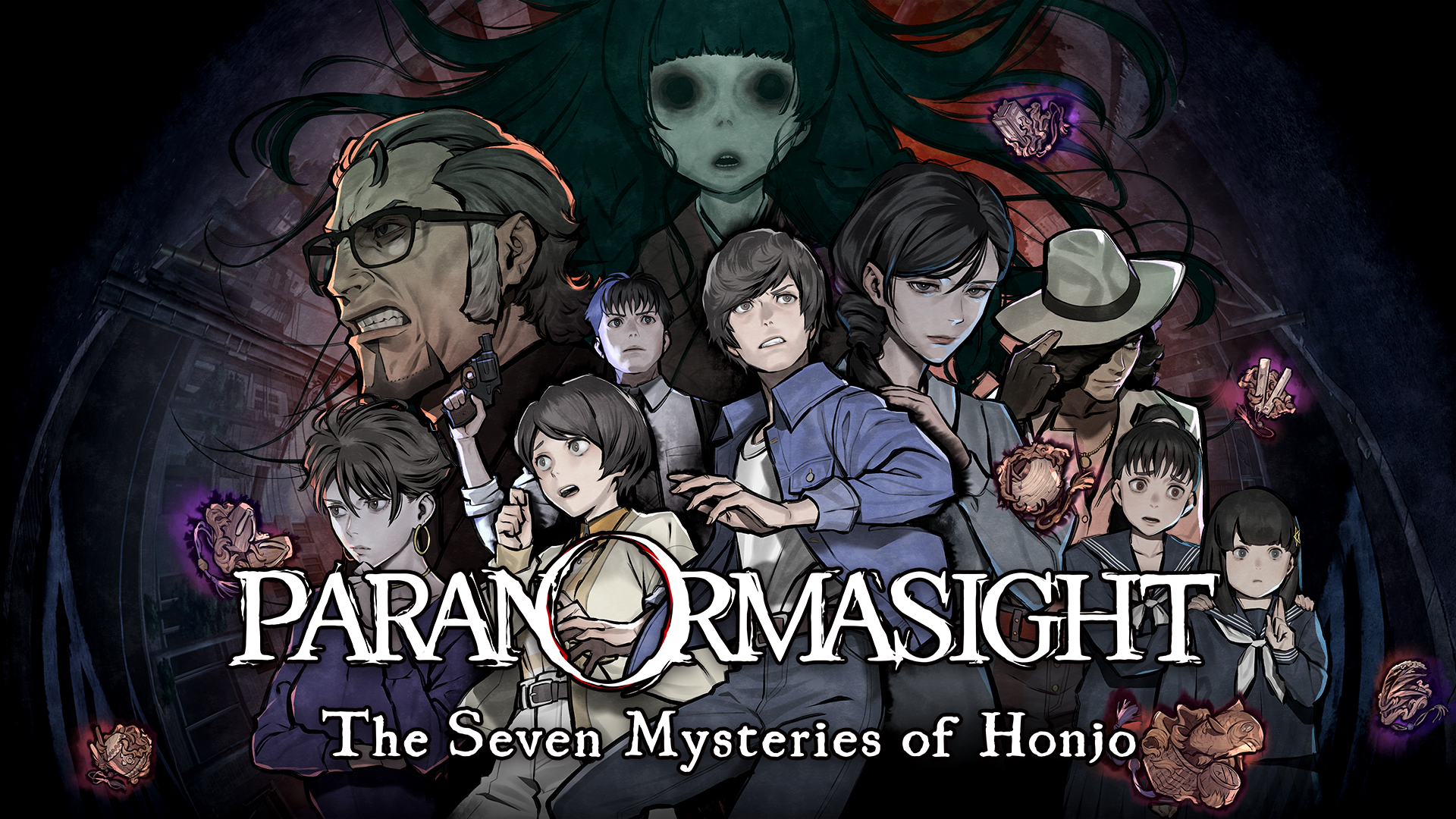


Square Enix’s PARANORMASIGHT: The Seven Mysteries of Honjo has built a loyal following on the Nintendo Switch, earning praise for its atmospheric storytelling and unique adventure gameplay.
Last month, the surprise launch of its sequel, PARANORMASIGHT: The Mermaid's Curse, delighted fans and highlighted the developer’s dedication to narrative excellence.
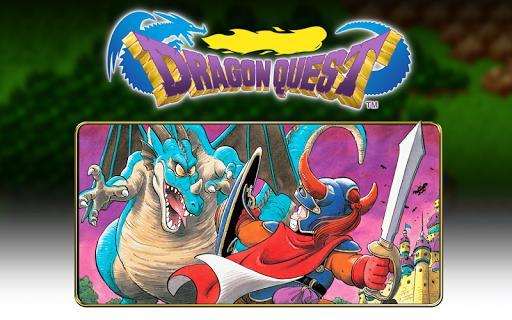
To mark the occasion, Japanese gaming magazine Famitsu conducted an in-depth interview with series director Takanari Ishiyama—also recognized for his work on Dragon Quest X—and legendary Dragon Quest creator Yuji Horii.
The conversation provided rare insight into the intricacies of game writing and, notably, the challenging art of localizing Japanese games for an international audience.
While much of the discussion centered on the creative approaches behind the PARANORMASIGHT series, the topic of localization became a point of focus.
Ishiyama expressed curiosity about how his nuanced word choices in the original Japanese might translate to players overseas.
The issue is especially pertinent for games on global platforms like the Nintendo Switch, where releases such as The Mermaid's Curse are experienced worldwide.
With decades of experience overseeing the translation of the seminal Dragon Quest series, Yuji Horii offered a candid perspective.
He remarked that much of the linguistic subtlety and cultural flavor in Japanese text tends to get diluted or lost in English translations.
Drawing from years of observing overseas releases, Horii explained that “when it comes to rendering Japanese into English, much of the original impact and nuance is inevitably simplified.” He pointed out that this outcome is rooted in the fundamental differences between Japanese and English as languages.
Even though advancements in voice acting have helped to preserve some elements of tone and characterization, the core distinction in linguistic structure remains an ongoing challenge for localization teams.
Highlighting a specific example, Ishiyama referenced the broad assortment of Japanese first-person pronouns, each carrying shades of meaning that reflect a speaker’s age, gender, and social context—such as 'ore,' 'boku,' 'washi,' and 'watashi.' In English, however, all are typically translated to the single pronoun “I,” which inevitably leads to a loss of these subtleties in character development.
Automaton, who translated the interview, elaborated on how this linguistic streamlining impacts the overall narrative experience.
Despite these hurdles, both developers underscored that the joy and emotional resonance of games like PARANORMASIGHT: The Mermaid’s Curse continue to captivate English-speaking audiences on the Nintendo Switch and other platforms.
Their discussion serves as a compelling look behind the curtain, highlighting the expertise required to adapt Japanese gaming masterpieces for a global community.
PARANORMASIGHT: The Mermaid’s Curse is available now via the Nintendo eShop worldwide, continuing Square Enix's legacy of rich, narrative-driven games on the Nintendo Switch.
For fans of the original, the sequel promises a new layer of intrigue—all while navigating the complexities of cross-cultural storytelling.
Last month, the surprise launch of its sequel, PARANORMASIGHT: The Mermaid's Curse, delighted fans and highlighted the developer’s dedication to narrative excellence.
To mark the occasion, Japanese gaming magazine Famitsu conducted an in-depth interview with series director Takanari Ishiyama—also recognized for his work on Dragon Quest X—and legendary Dragon Quest creator Yuji Horii.
The conversation provided rare insight into the intricacies of game writing and, notably, the challenging art of localizing Japanese games for an international audience.
While much of the discussion centered on the creative approaches behind the PARANORMASIGHT series, the topic of localization became a point of focus.
Ishiyama expressed curiosity about how his nuanced word choices in the original Japanese might translate to players overseas.
The issue is especially pertinent for games on global platforms like the Nintendo Switch, where releases such as The Mermaid's Curse are experienced worldwide.
With decades of experience overseeing the translation of the seminal Dragon Quest series, Yuji Horii offered a candid perspective.
He remarked that much of the linguistic subtlety and cultural flavor in Japanese text tends to get diluted or lost in English translations.
Drawing from years of observing overseas releases, Horii explained that “when it comes to rendering Japanese into English, much of the original impact and nuance is inevitably simplified.” He pointed out that this outcome is rooted in the fundamental differences between Japanese and English as languages.
Even though advancements in voice acting have helped to preserve some elements of tone and characterization, the core distinction in linguistic structure remains an ongoing challenge for localization teams.
Highlighting a specific example, Ishiyama referenced the broad assortment of Japanese first-person pronouns, each carrying shades of meaning that reflect a speaker’s age, gender, and social context—such as 'ore,' 'boku,' 'washi,' and 'watashi.' In English, however, all are typically translated to the single pronoun “I,” which inevitably leads to a loss of these subtleties in character development.
Automaton, who translated the interview, elaborated on how this linguistic streamlining impacts the overall narrative experience.
Despite these hurdles, both developers underscored that the joy and emotional resonance of games like PARANORMASIGHT: The Mermaid’s Curse continue to captivate English-speaking audiences on the Nintendo Switch and other platforms.
Their discussion serves as a compelling look behind the curtain, highlighting the expertise required to adapt Japanese gaming masterpieces for a global community.
PARANORMASIGHT: The Mermaid’s Curse is available now via the Nintendo eShop worldwide, continuing Square Enix's legacy of rich, narrative-driven games on the Nintendo Switch.
For fans of the original, the sequel promises a new layer of intrigue—all while navigating the complexities of cross-cultural storytelling.