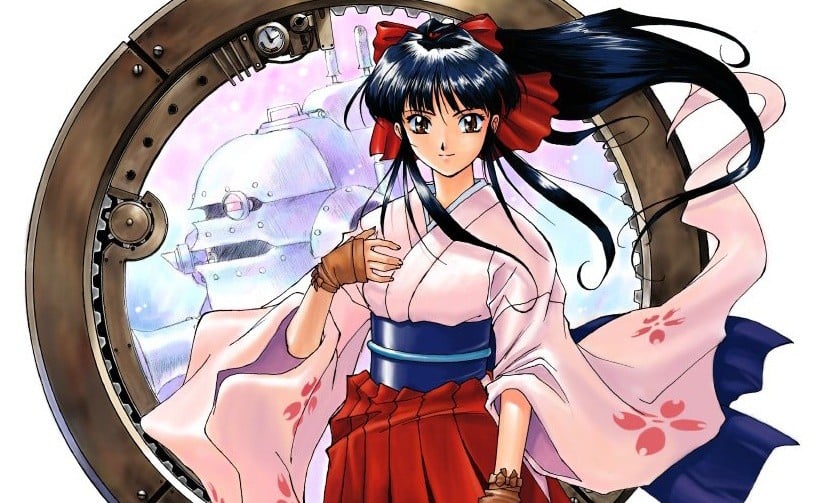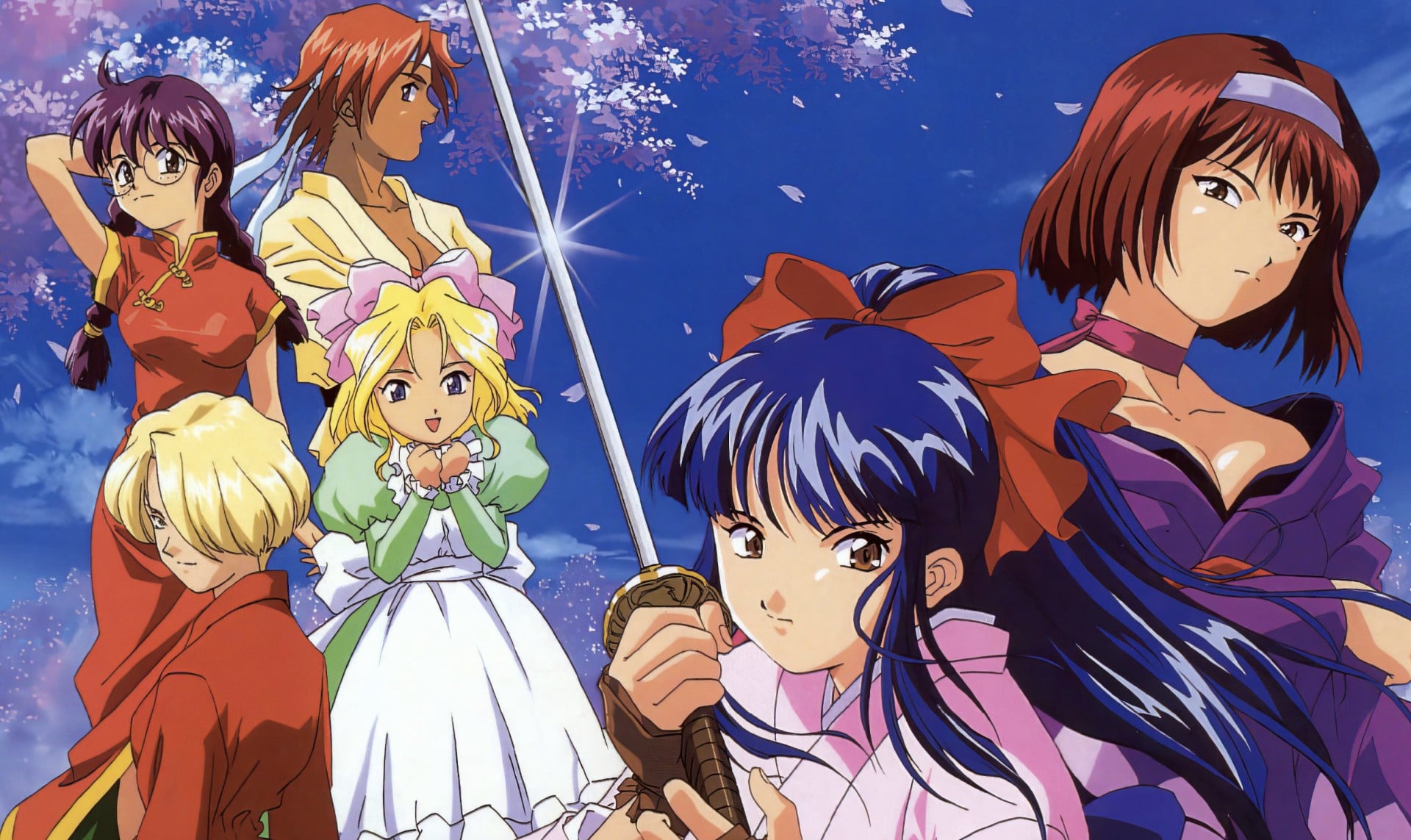


Veteran game developer Hiroi Oji, best known for iconic titles like Sakura Wars and Far East of Eden, has voiced his concerns about the Japanese video game industry’s creative stagnation in recent years.
Oji, whose career has spanned prestigious companies like Lucasfilm and Pixar, recently spoke with Business Hit (as reported by Automaton Media) about how Japan, once the undisputed leader in both video game and anime markets, saw its dominance erode at the turn of the 21st century.
In reflecting on Japan's heyday in the mid-1990s, Hiroi noted the nation’s remarkable global influence.
He recalled that the country was leading major technological breakthroughs, such as Hudson’s introduction of CD-ROM technology, and boasted international collaborations — even pop superstar Michael Jackson partnered with Sega in the 90s.
Hiroi described the period as a creative peak when Japanese games and anime set global standards for innovation and artistry.
However, Hiroi points to a problematic shift that affected the industry’s trajectory.
He observed that, after achieving global success, Japanese studios increasingly adopted a strategy of quickly producing sequels as soon as a title found commercial success.
Summarizing this trend, Hiroi explained that publishers often prioritized short-term cost savings over long-term brand value: “Whenever a hit title appeared, the industry response was to produce direct sequels — like ‘2’ and ‘3’ — as a way to cut production costs under the assumption that sequels could be made more cheaply.
Instead of reinvesting in and elevating standout franchises, the focus shifted to maintaining efficiency and maximizing profits.”
While the anime industry in Japan continued to thrive and expand its presence worldwide, the same could not be said for video games.
According to Hiroi, the dominance of the Japanese domestic market in the 1990s meant there was little motivation to compete globally or pursue riskier, more innovative projects.
As he puts it, “Because the Japanese market itself led the world, there was little consideration for expanding overseas.
As long as titles circulated within Japan, the business model remained sustainable.”
Hiroi’s reflections echo broader criticisms of the games industry’s reliance on sequels, a phenomenon that is now also prevalent among Western AAA developers who often prioritize established intellectual properties and minimize creative risks.
Conversely, the indie development scene — both abroad and, increasingly, in Japan — has become a fertile ground for the kind of experimentation and fresh ideas that once characterized the Japanese industry’s golden era.
These discussions have become central as global audiences look for innovation in gaming.
While series like Sakura Wars have left a lasting legacy on platforms like the Nintendo Switch and beyond, Oji’s comments serve as a reminder of the balance developers must strike between leveraging proven successes and pursuing bold, original concepts that push the medium forward.
Oji, whose career has spanned prestigious companies like Lucasfilm and Pixar, recently spoke with Business Hit (as reported by Automaton Media) about how Japan, once the undisputed leader in both video game and anime markets, saw its dominance erode at the turn of the 21st century.
In reflecting on Japan's heyday in the mid-1990s, Hiroi noted the nation’s remarkable global influence.
He recalled that the country was leading major technological breakthroughs, such as Hudson’s introduction of CD-ROM technology, and boasted international collaborations — even pop superstar Michael Jackson partnered with Sega in the 90s.
Hiroi described the period as a creative peak when Japanese games and anime set global standards for innovation and artistry.
However, Hiroi points to a problematic shift that affected the industry’s trajectory.
He observed that, after achieving global success, Japanese studios increasingly adopted a strategy of quickly producing sequels as soon as a title found commercial success.
Summarizing this trend, Hiroi explained that publishers often prioritized short-term cost savings over long-term brand value: “Whenever a hit title appeared, the industry response was to produce direct sequels — like ‘2’ and ‘3’ — as a way to cut production costs under the assumption that sequels could be made more cheaply.
Instead of reinvesting in and elevating standout franchises, the focus shifted to maintaining efficiency and maximizing profits.”
While the anime industry in Japan continued to thrive and expand its presence worldwide, the same could not be said for video games.
According to Hiroi, the dominance of the Japanese domestic market in the 1990s meant there was little motivation to compete globally or pursue riskier, more innovative projects.
As he puts it, “Because the Japanese market itself led the world, there was little consideration for expanding overseas.
As long as titles circulated within Japan, the business model remained sustainable.”
Hiroi’s reflections echo broader criticisms of the games industry’s reliance on sequels, a phenomenon that is now also prevalent among Western AAA developers who often prioritize established intellectual properties and minimize creative risks.
Conversely, the indie development scene — both abroad and, increasingly, in Japan — has become a fertile ground for the kind of experimentation and fresh ideas that once characterized the Japanese industry’s golden era.
These discussions have become central as global audiences look for innovation in gaming.
While series like Sakura Wars have left a lasting legacy on platforms like the Nintendo Switch and beyond, Oji’s comments serve as a reminder of the balance developers must strike between leveraging proven successes and pursuing bold, original concepts that push the medium forward.