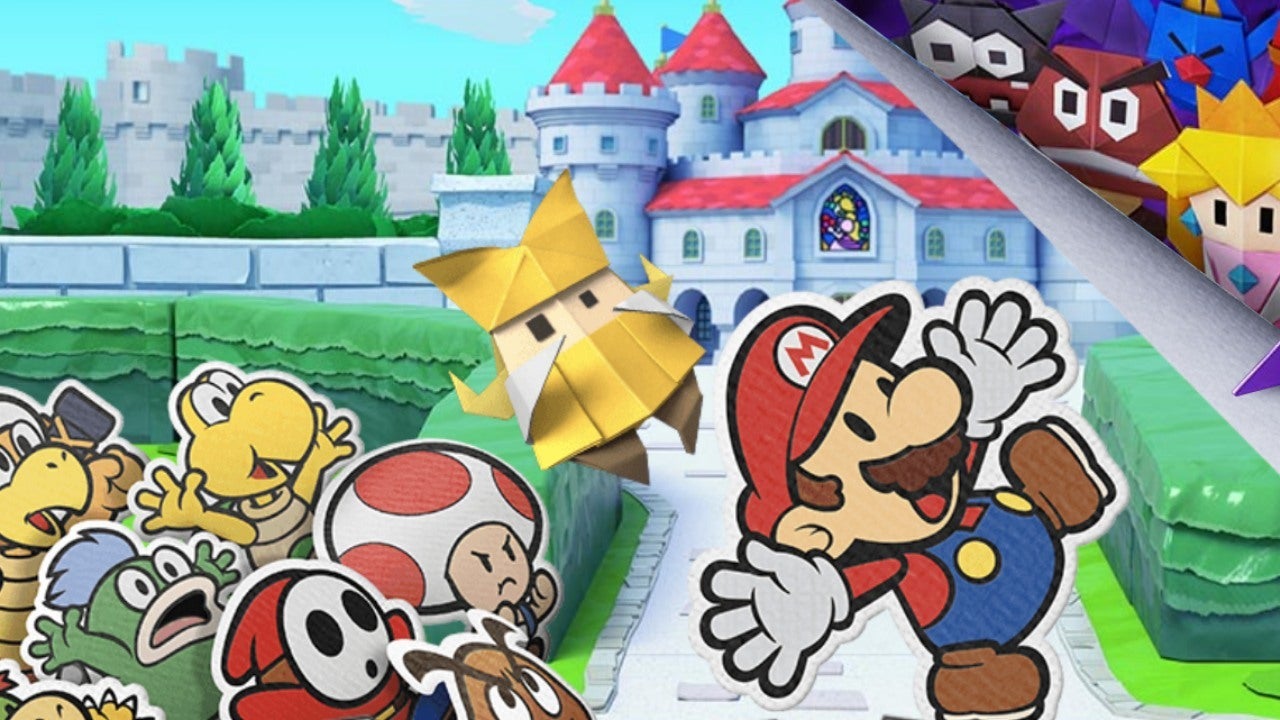
Paper Mario: Color Splash landed on Nintendo’s Wii U in 2016 as the next mainline entry from developer Intelligent Systems.
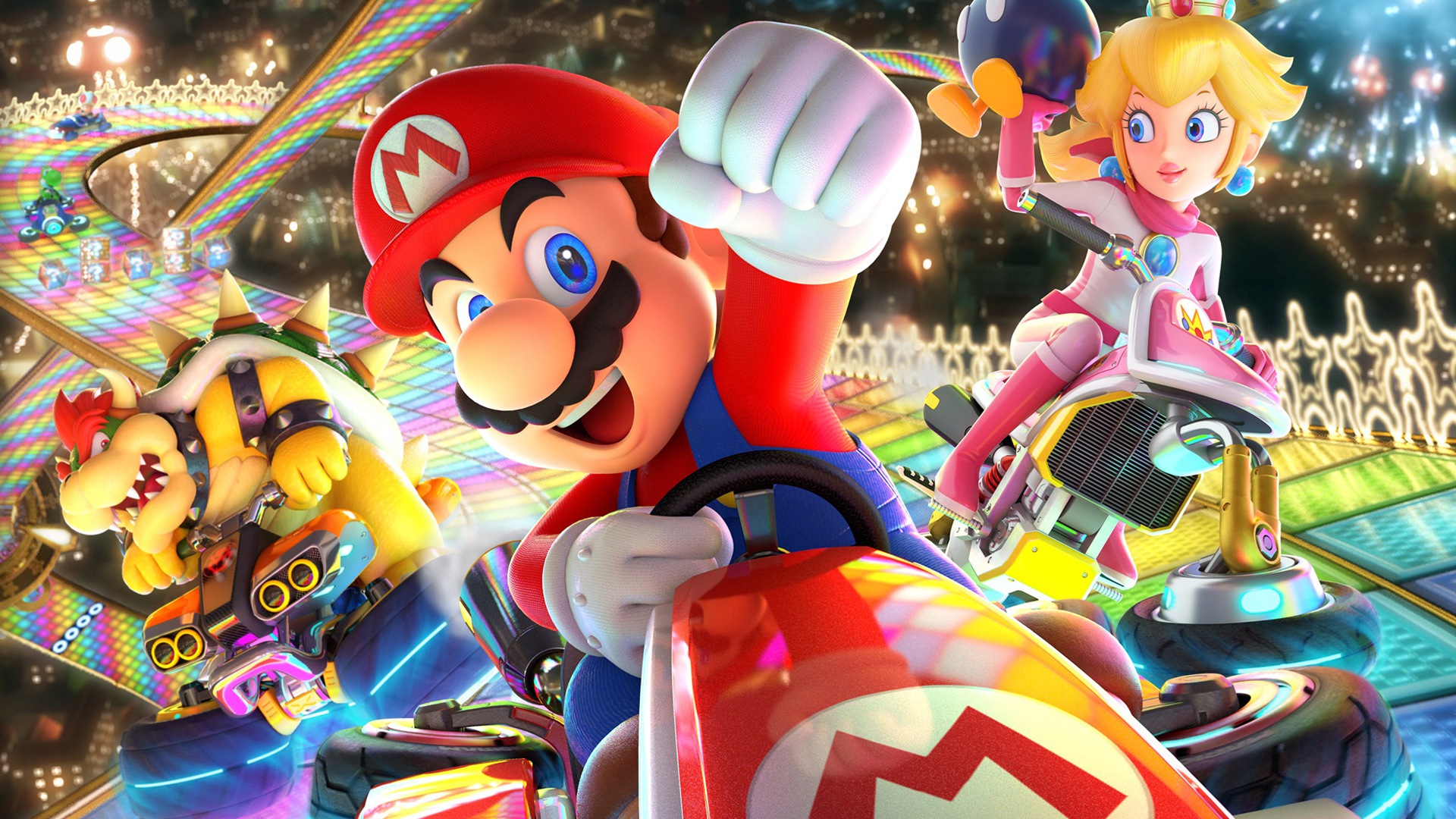
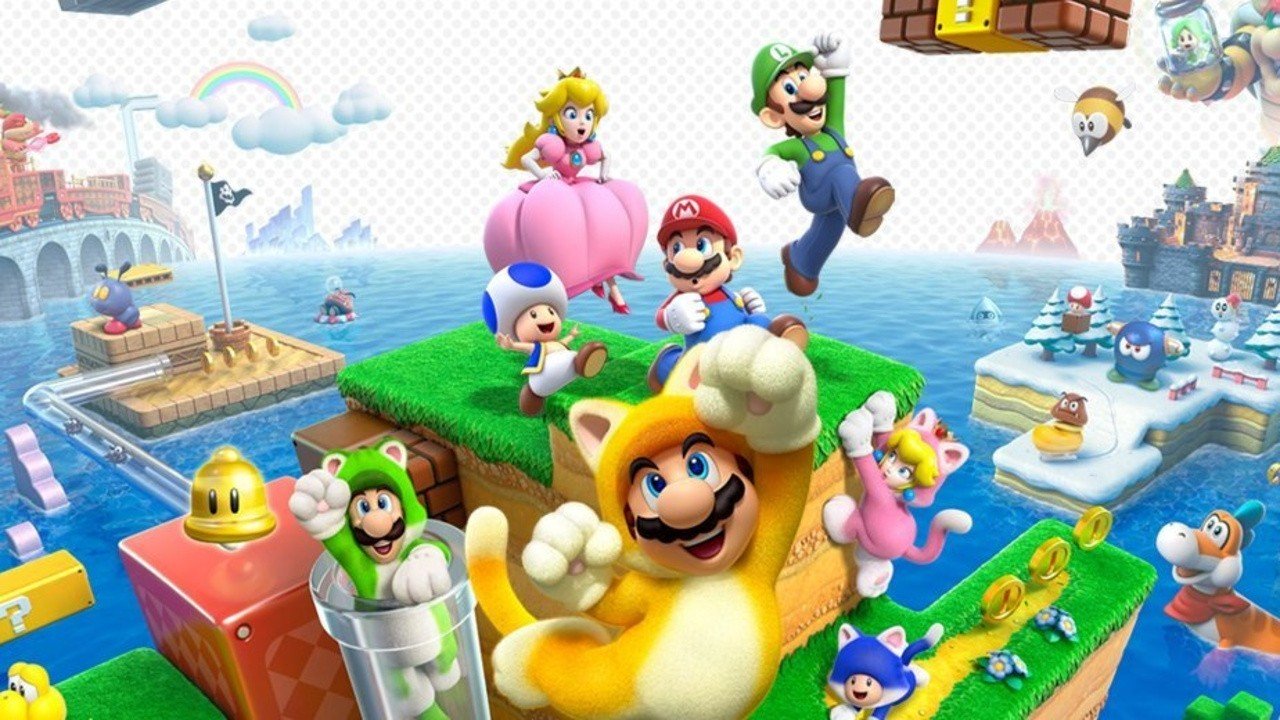
Ten years later, the game remains one of the Wii U’s higher-profile exclusives that never made the jump to Nintendo Switch, even as many other Wii U titles — Mario Kart 8 Deluxe, Super Mario 3D World + Bowser's Fury, and Donkey Kong Country: Tropical Freeze — found renewed life on Nintendo’s current hardware.
Industry observers point to a clear trio of reasons why Color Splash was not ported to Nintendo Switch: it failed to resonate with a core segment of Paper Mario fans, it sold fewer than one million copies, and Intelligent Systems moved on to develop Paper Mario: The Origami King.
That combination of commercial underperformance and a changed development focus helps explain the Wii U-bound status that still stands a decade on.
Despite that reception, Color Splash has redeeming qualities that industry critics and some players continue to note.
The game’s writing is frequently cited as a standout: developers leaned heavily into offbeat, observational humor across even minor NPC interactions, and that consistent comedic tone is often enough to carry scenes where the overarching plot is thin.
Where Sticker Star previously frustrated longtime fans by removing partners and deep narrative threads, Color Splash similarly simplified series conventions — but its dialogue and character gags are widely regarded as a strength rather than a weakness.
Presentation also works in Color Splash’s favor.
Levels are crafted like dioramas, with vibrant palettes and varied locales — beaches, plains, islands, a train, and volcano areas — giving the game a distinct visual charm on Wii U hardware.
The soundtrack similarly skewed whimsical, with memorable themes for battles and boss encounters that reinforced the game’s lighter tone.
Gameplay remains the most divisive element.
Color Splash’s card-based battle system and the “Thing” mechanics (real-world objects that must be used in combat) drew criticism for restrictive resource management and some one-hit-fail scenarios; higher-stakes boss encounters in particular depend on specific Thing stickers.
Those design choices limited combat depth for many players, even as exploration and overworld interaction retained familiar Paper Mario elements like hammers, jumps, and environmental cutouts.
Ten years on, Paper Mario: Color Splash is easier to evaluate within the franchise’s broader arc.
With subsequent releases such as The Origami King and the remake of The Thousand-Year Door on Nintendo Switch, the series has shown a willingness to course-correct.
For collectors and historians of Nintendo’s recent console generations, Color Splash remains a notable — if flawed — experiment from Intelligent Systems that showcases strong writing and presentation amid contested gameplay decisions.