Nintendo has issued a DMCA takedown for a high-profile Pokémon model swap mod for Palworld created by modder ToastedShoes.
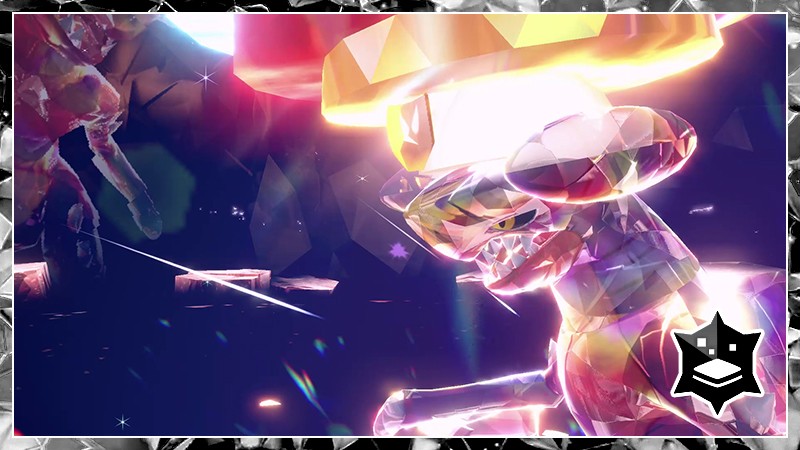
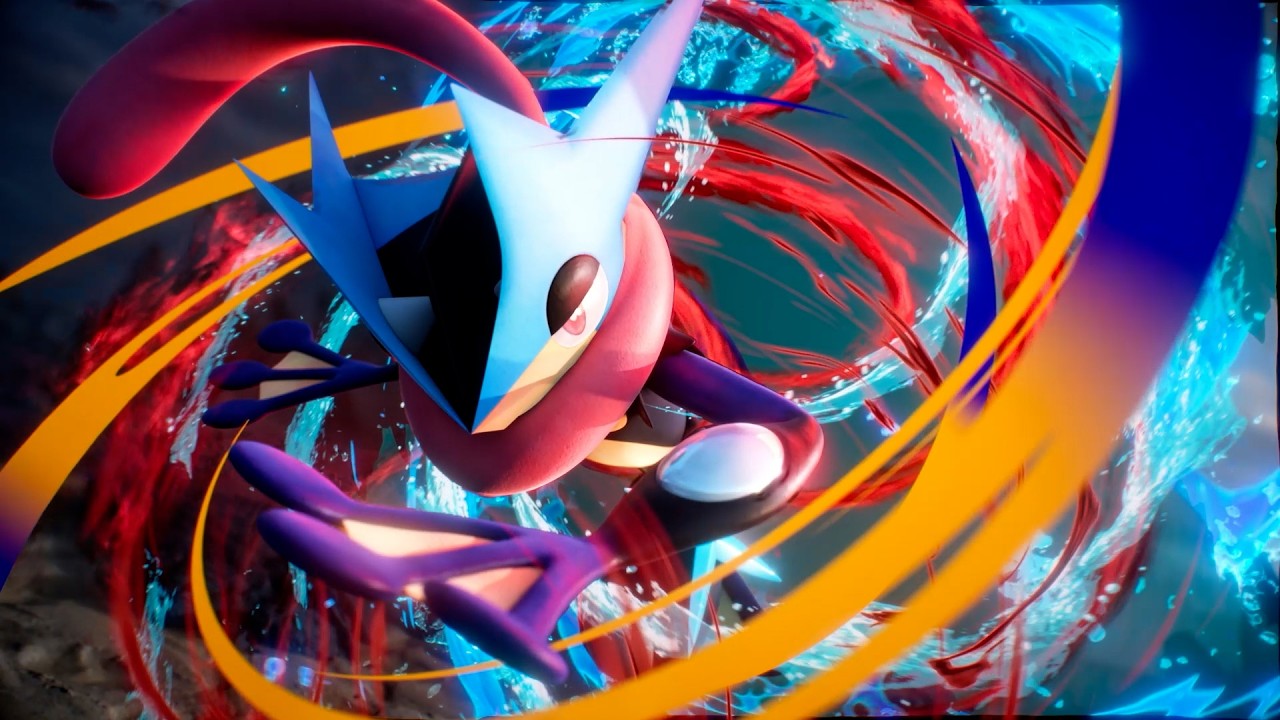
The controversy began after the modder posted a teaser on Twitter showing swapped creature and player models, including recognizable Pokémon characters, inside the survival game Palworld.
Palworld, developed by Pocketpair, is a survival-collection title that allows players to capture and use creatures called Pals, craft bases, and employ firearms in combat.
The mod in question replaced Palworld's character and creature models with Pokémon assets and incorporated voiced dialogue for a lead character resembling Ash, as well as other franchise references.
According to reporting by Kotaku and public posts from the mod creator, Nintendo issued a DMCA takedown covering the mod's teaser.
ToastedShoes publicly acknowledged the notice on Twitter, stating that Nintendo had sent a DMCA and that the creator would pause further activity for the time being.
The modder additionally told Kotaku that they had hired a voice actor for the character dialogue and were honoring that performer's request to remain anonymous.
The teaser footage posted to Twitter showed a range of swapped models and scenes that juxtaposed Palworld's mechanics — including base building and use of firearms — with Pokémon imagery.
A longer video surfaced on YouTube showing roughly 17 minutes of in-game footage with Pokémon-model swaps; that clip's thumbnail depicted a Pokémon character pointing a firearm at another character.
The YouTube footage remains available as of reporting.
ToastedShoes indicated the intent to distribute the mod freely but said the DMCA notice altered those plans.
In a follow-up Twitter post, the modder said they would "tread lightly" after receiving Nintendo's notice, effectively pausing public distribution while the situation remained unresolved.
Nintendo has a long history of protecting its intellectual property, including issuing takedown notices when unlicensed uses of Pokémon and other Nintendo-owned assets appear online.
This incident underscores ongoing tensions between fan modding communities and rights holders when franchise imagery and voice assets are used without authorization.
The episode is the latest high-profile example of modding activity intersecting with intellectual property enforcement.
Developers, platform holders, and modders continue to navigate how fan projects coexist with established IP protections, particularly when assets are shared across platforms such as Steam and hosted on services like YouTube and Twitter.
Written by a Nintendo-focused reporter with coverage adapted from public statements and reporting by Kotaku and social-media posts from the mod creator.
The controversy began after the modder posted a teaser on Twitter showing swapped creature and player models, including recognizable Pokémon characters, inside the survival game Palworld.
Palworld, developed by Pocketpair, is a survival-collection title that allows players to capture and use creatures called Pals, craft bases, and employ firearms in combat.
The mod in question replaced Palworld's character and creature models with Pokémon assets and incorporated voiced dialogue for a lead character resembling Ash, as well as other franchise references.
According to reporting by Kotaku and public posts from the mod creator, Nintendo issued a DMCA takedown covering the mod's teaser.
ToastedShoes publicly acknowledged the notice on Twitter, stating that Nintendo had sent a DMCA and that the creator would pause further activity for the time being.
The modder additionally told Kotaku that they had hired a voice actor for the character dialogue and were honoring that performer's request to remain anonymous.
The teaser footage posted to Twitter showed a range of swapped models and scenes that juxtaposed Palworld's mechanics — including base building and use of firearms — with Pokémon imagery.
A longer video surfaced on YouTube showing roughly 17 minutes of in-game footage with Pokémon-model swaps; that clip's thumbnail depicted a Pokémon character pointing a firearm at another character.
The YouTube footage remains available as of reporting.
ToastedShoes indicated the intent to distribute the mod freely but said the DMCA notice altered those plans.
In a follow-up Twitter post, the modder said they would "tread lightly" after receiving Nintendo's notice, effectively pausing public distribution while the situation remained unresolved.
Nintendo has a long history of protecting its intellectual property, including issuing takedown notices when unlicensed uses of Pokémon and other Nintendo-owned assets appear online.
This incident underscores ongoing tensions between fan modding communities and rights holders when franchise imagery and voice assets are used without authorization.
The episode is the latest high-profile example of modding activity intersecting with intellectual property enforcement.
Developers, platform holders, and modders continue to navigate how fan projects coexist with established IP protections, particularly when assets are shared across platforms such as Steam and hosted on services like YouTube and Twitter.
Written by a Nintendo-focused reporter with coverage adapted from public statements and reporting by Kotaku and social-media posts from the mod creator.