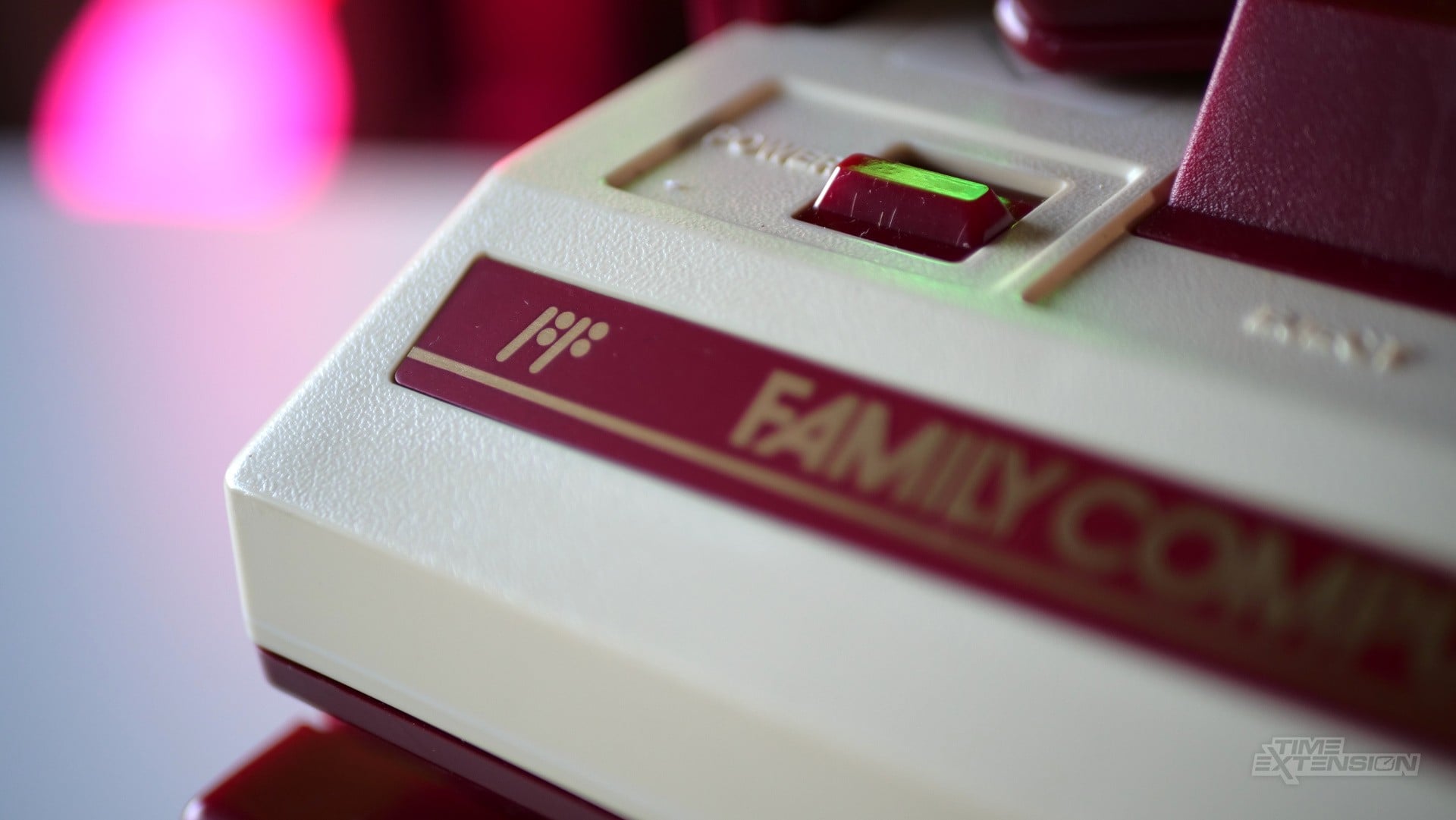
As Famitsu marks the 43rd anniversary of the Nintendo Famicom — which launched in Japan on July 15, 1983 — veteran composer and engineer Hirokazu “Hip” Tanaka has offered a candid look at the uncertainty inside Nintendo during the console’s development. Tanaka, who contributed to the Famicom’s internal audio work and later to Game & Watch and Game Boy hardware, shared recollections in a thread on Twitter/X about the company’s strategic shift and how the Famicom project felt to those directly involved.
Tanaka said that within three years of joining Nintendo he was told about the rapid Game & Watch sales and an internal move away from arcade hardware, but that the decision did not come with full confidence or fanfare. In his words, the company’s strategy felt less like a bold, celebratory gamble and more like a compelled course: there simply appeared to be no viable alternative. He described development as a sequence of immediate problems tackled one by one, with the North American video game crash — known in Japan as the Atari Shock — reinforcing leadership’s sense that home hardware was the safer path.
Another notable point Tanaka raised was the youth and small size of the in-house team responsible for the Famicom hardware. He emphasized that the core group was mostly in their mid-to-late 20s and small enough to be counted on one hand, a detail often overlooked in retrospective accounts. He characterized the team as almost carefree, treating the project as an extracurricular challenge even as commercial stakes rose.
Tanaka later worked on several Game & Watch titles and remained at Nintendo for roughly two decades. He is widely recognized for his music and audio engineering contributions on franchises such as Metroid and Kid Icarus, and for technical work on handheld audio hardware including the Game Boy sound chip and peripheral projects like the Game Boy Camera.
The Famicom’s 1983 launch set the foundation for the international Nintendo Entertainment System (NES) rollouts that followed in the mid-1980s; the combined Famicom/NES family would go on to sell more than 60 million units worldwide, reshaping the home console market after the early-1980s industry turmoil. Tanaka’s recollections add texture to that history, underscoring how a small, relatively inexperienced internal group navigated immediate engineering problems and shifting market realities to deliver one of gaming’s most influential platforms.
Hirokazu Tanaka Famicom Development: Inside Nintendo's Decision That 'There Was No Other Path'
Nintendo News Hub
Game Pages Mentioned In This Article
Use these Nintendo Switch game pages to keep exploring the titles connected to this story, including related genres, developers, screenshots, and more coverage.
Related Topics
Explore more articles about these topics:
Source: TimeExtension