
Nintendo president Shuntaro Furukawa has reaffirmed the company’s commitment to preserving and presenting its gaming history through both physical exhibits and digital services, highlighting the Nintendo Museum and Nintendo Switch Online as central initiatives.
Speaking at a recent shareholders meeting, Furukawa framed these efforts as part of Nintendo’s broader work to record and pass on its “culture and philosophy of play.”
Furukawa noted that the Nintendo Museum, which opened in October 2024, has become a significant public touchpoint: more than 800,000 visitors had attended by the end of April 2026.
He said the museum provides a clear opportunity for visitors to encounter Nintendo’s historical products and artifacts.
At the same time, Furukawa acknowledged that archiving and exhibiting games poses particular challenges, especially when it comes to keeping older titles in a playable state.
In journalistic terms, Furukawa told shareholders that while Nintendo appreciates public efforts to treat classic games as historical material, the company recognizes technical and preservation obstacles.
To address this, he pointed to Nintendo Switch Online as a mechanism by which Nintendo continues to make legacy software accessible.
Expanding on Switch Online’s role, Furukawa outlined the service’s current retro offerings and future possibilities.
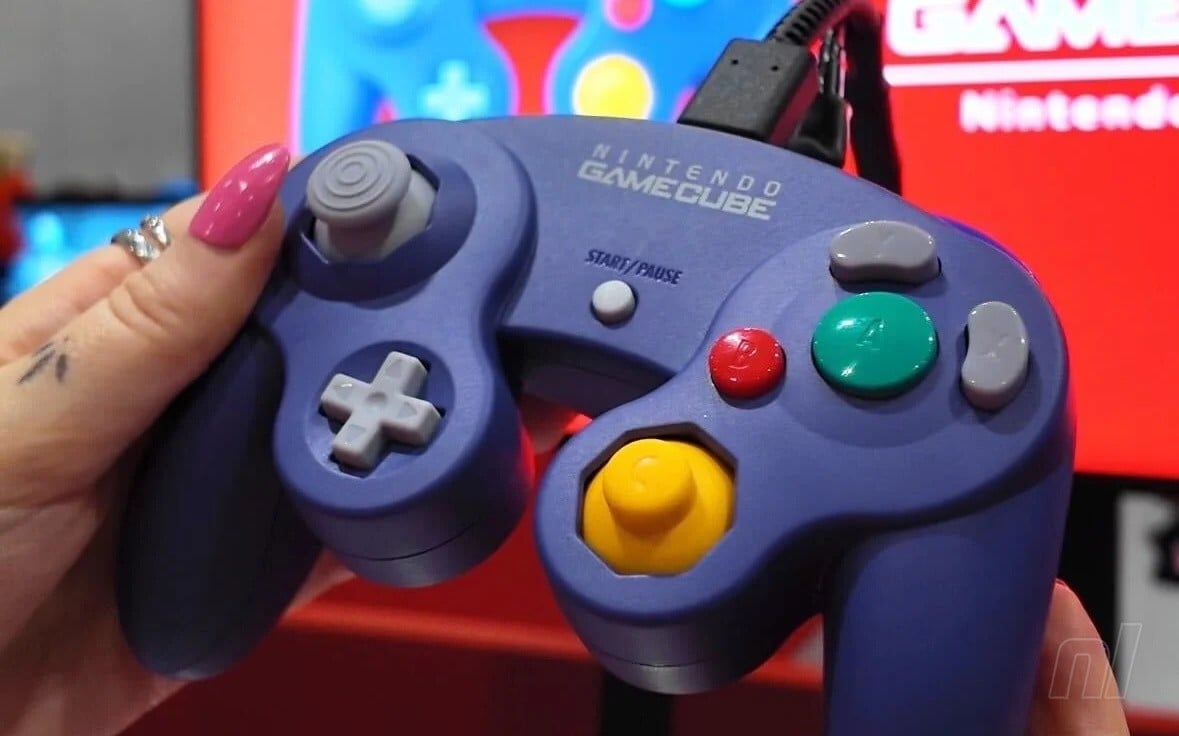
He explained that Nintendo Switch Online subscribers can access software from NES, Super NES, Game Boy, Game Boy Advance and Nintendo 64 libraries, and that Nintendo Switch 2 also supports GameCube software on that platform.
He added that providing playable versions of older games both evokes nostalgia for earlier players and introduces new players to Nintendo’s franchises and characters, and that Nintendo will keep exploring options while considering technical constraints.
The company’s approach follows a long history of how Nintendo has revived classic releases: the standalone Virtual Console storefronts on past Nintendo hardware, the NES and SNES "Mini" systems preloaded with curated titles, and more recent standalone eShop releases.
Third parties such as Hamster Corporation continue to support classic arcade re-releases through initiatives like Arcade Archives.
Furukawa’s remarks come amid ongoing community discussion over Switch Online’s subscription model—basic and expansion tiers are required to access portions of Nintendo’s classic libraries—and recurring player feedback about selection breadth, update cadence, and emulation quality.
The shareholder exchange underscores Nintendo’s stated intent to balance preservation, accessibility, and technical feasibility as it curates its play history for future generations.
Speaking at a recent shareholders meeting, Furukawa framed these efforts as part of Nintendo’s broader work to record and pass on its “culture and philosophy of play.”
Furukawa noted that the Nintendo Museum, which opened in October 2024, has become a significant public touchpoint: more than 800,000 visitors had attended by the end of April 2026.
He said the museum provides a clear opportunity for visitors to encounter Nintendo’s historical products and artifacts.
At the same time, Furukawa acknowledged that archiving and exhibiting games poses particular challenges, especially when it comes to keeping older titles in a playable state.
In journalistic terms, Furukawa told shareholders that while Nintendo appreciates public efforts to treat classic games as historical material, the company recognizes technical and preservation obstacles.
To address this, he pointed to Nintendo Switch Online as a mechanism by which Nintendo continues to make legacy software accessible.
Expanding on Switch Online’s role, Furukawa outlined the service’s current retro offerings and future possibilities.
He explained that Nintendo Switch Online subscribers can access software from NES, Super NES, Game Boy, Game Boy Advance and Nintendo 64 libraries, and that Nintendo Switch 2 also supports GameCube software on that platform.
He added that providing playable versions of older games both evokes nostalgia for earlier players and introduces new players to Nintendo’s franchises and characters, and that Nintendo will keep exploring options while considering technical constraints.
The company’s approach follows a long history of how Nintendo has revived classic releases: the standalone Virtual Console storefronts on past Nintendo hardware, the NES and SNES "Mini" systems preloaded with curated titles, and more recent standalone eShop releases.
Third parties such as Hamster Corporation continue to support classic arcade re-releases through initiatives like Arcade Archives.
Furukawa’s remarks come amid ongoing community discussion over Switch Online’s subscription model—basic and expansion tiers are required to access portions of Nintendo’s classic libraries—and recurring player feedback about selection breadth, update cadence, and emulation quality.
The shareholder exchange underscores Nintendo’s stated intent to balance preservation, accessibility, and technical feasibility as it curates its play history for future generations.


