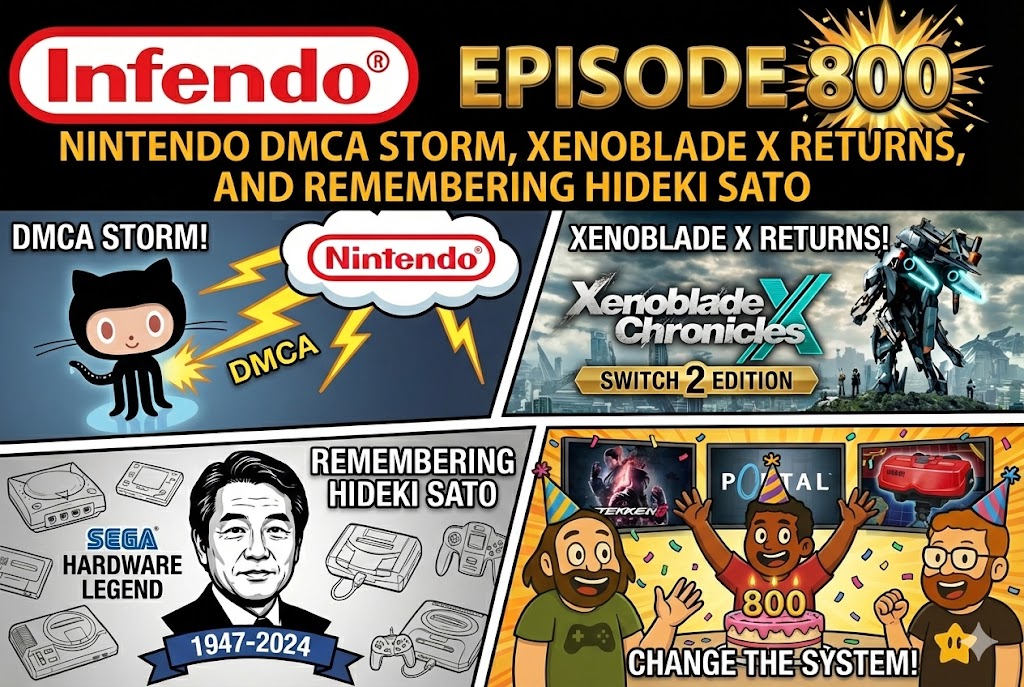
Nintendo, the legendary video game company based in Kyoto, Japan, has once again initiated legal action to protect its intellectual property by issuing DMCA takedown notices to multiple Nintendo Switch emulator projects hosted on GitHub.
This move is part of the company’s ongoing efforts to curb piracy and maintain the integrity of its flagship hardware, the Nintendo Switch.
According to a recent report from Android Authority, several well-known emulator projects—including Eden, Citron, Kenji-NX, and MeloNX—were targeted by Nintendo’s legal team.
Projects that had previously ceased active development, such as Sudachi and Skyline, also received takedown notices.
These emulators, designed to replicate the functionality of the Nintendo Switch console on different platforms, have operated in a legal grey area for some time, drawing the scrutiny of both hardware manufacturers and the software development community.
Android Authority detailed that Citron and Eden have taken proactive measures in response to the takedown requests.
Developers behind these emulators have duplicated their code repositories and moved them to private servers, which complicates Nintendo’s efforts to fully remove the projects from circulation.
This tactic highlights the persistent challenge faced by hardware creators like Nintendo, who regularly contend with the rapid evolution and decentralization inherent in open-source development.
A representative familiar with the situation explained that Nintendo’s enforcement of DMCA notices is intended to halt the spread of software tools that enable piracy on the Nintendo Switch platform.
The company asserts its right to protect copyrighted content and maintain platform security, while also deterring the creation and distribution of unauthorized software.
In response, emulator developers frequently pivot to alternative hosting solutions, making complete eradication of these projects a formidable task.
GitHub, a major platform for open-source software sharing, routinely responds to copyright infringement notifications by removing the reported repositories.
However, the persistence of emulator development underscores the complexities involved in regulating digital content and enforcing intellectual property rights in the gaming industry.
Nintendo’s approach to Switch emulator projects is consistent with its longstanding reputation for strict IP enforcement.
The company has previously taken legal measures in other instances—to protect not only the Nintendo Switch but also classic consoles such as the Nintendo 3DS and Wii U.
As one of the most successful gaming platforms of this generation, the Nintendo Switch continues to sell millions of units worldwide, further explaining the company’s vigilant stance against emulation-related piracy.
As of now, Nintendo has not issued an official public statement regarding the latest round of DMCA actions.
However, the ongoing legal tussles between Nintendo and emulator developers are likely to shape the broader conversation around game preservation, open-source development, and platform security in the months ahead.
This move is part of the company’s ongoing efforts to curb piracy and maintain the integrity of its flagship hardware, the Nintendo Switch.
According to a recent report from Android Authority, several well-known emulator projects—including Eden, Citron, Kenji-NX, and MeloNX—were targeted by Nintendo’s legal team.
Projects that had previously ceased active development, such as Sudachi and Skyline, also received takedown notices.
These emulators, designed to replicate the functionality of the Nintendo Switch console on different platforms, have operated in a legal grey area for some time, drawing the scrutiny of both hardware manufacturers and the software development community.
Android Authority detailed that Citron and Eden have taken proactive measures in response to the takedown requests.
Developers behind these emulators have duplicated their code repositories and moved them to private servers, which complicates Nintendo’s efforts to fully remove the projects from circulation.
This tactic highlights the persistent challenge faced by hardware creators like Nintendo, who regularly contend with the rapid evolution and decentralization inherent in open-source development.
A representative familiar with the situation explained that Nintendo’s enforcement of DMCA notices is intended to halt the spread of software tools that enable piracy on the Nintendo Switch platform.
The company asserts its right to protect copyrighted content and maintain platform security, while also deterring the creation and distribution of unauthorized software.
In response, emulator developers frequently pivot to alternative hosting solutions, making complete eradication of these projects a formidable task.
GitHub, a major platform for open-source software sharing, routinely responds to copyright infringement notifications by removing the reported repositories.
However, the persistence of emulator development underscores the complexities involved in regulating digital content and enforcing intellectual property rights in the gaming industry.
Nintendo’s approach to Switch emulator projects is consistent with its longstanding reputation for strict IP enforcement.
The company has previously taken legal measures in other instances—to protect not only the Nintendo Switch but also classic consoles such as the Nintendo 3DS and Wii U.
As one of the most successful gaming platforms of this generation, the Nintendo Switch continues to sell millions of units worldwide, further explaining the company’s vigilant stance against emulation-related piracy.
As of now, Nintendo has not issued an official public statement regarding the latest round of DMCA actions.
However, the ongoing legal tussles between Nintendo and emulator developers are likely to shape the broader conversation around game preservation, open-source development, and platform security in the months ahead.