Azahar Emulator Delivers Major Performance Gains for Nintendo 3DS Games on Android
The Nintendo 3DS remains a beloved icon in handheld gaming, celebrated for its unique autostereoscopic 3D display, an expansive game library, and portable clamshell design.
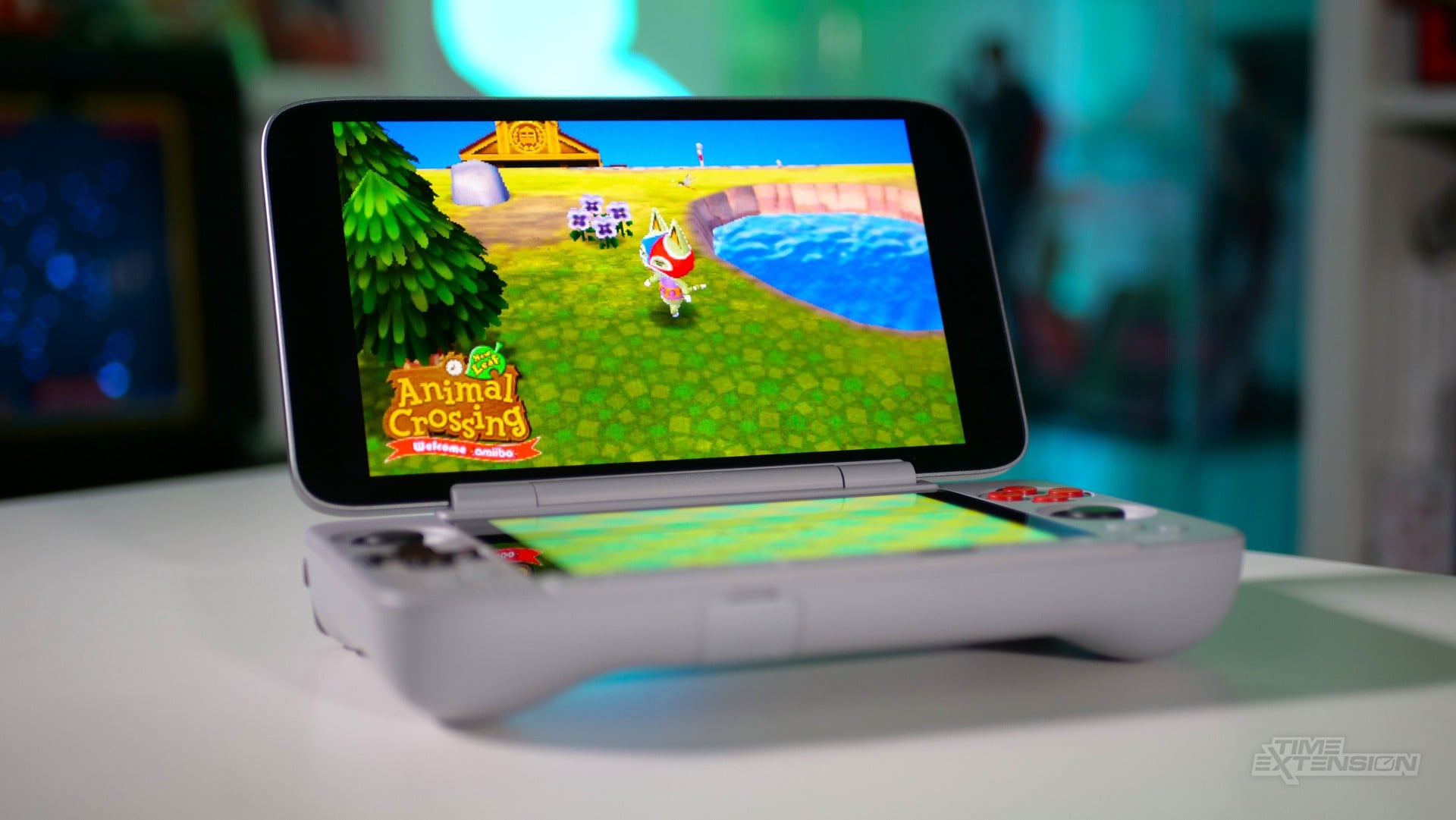
As Android-based portable devices with dual displays surge in popularity, emulation fans have increasingly turned to the Azahar emulator to enjoy classic Nintendo 3DS experiences beyond official hardware.
Now, Azahar’s development team is delivering a significant performance leap with the introduction of cached shader support for Android users.
Azahar stands out among Nintendo 3DS emulators on Android, offering a faithful recreation of the original dual-screen experience.
The emulator has seen a flurry of recent updates focused on improving performance and compatibility.
A key milestone came with the recent implementation of support for .3ds files, which effectively reduced latency issues and enhanced the fidelity of emulation.
The latest advancement, confirmed by lead developer PabloMK7 and reported by Android Authority, involves implementing cached shaders—a technical feature crucial for smoother 3D rendering.
Traditionally, 3D emulators can suffer from visual stuttering due to the real-time compilation of graphical shaders during gameplay.
These shaders are essential pieces of code that tell the GPU how to render complex effects and visuals.
When these must be compiled on-the-fly, it can result in noticeable lag or pauses, which disrupt the gameplay experience.
To address this, Azahar will now cache shaders when a Nintendo 3DS game is loaded.
This means shaders are compiled and stored ahead of time, eliminating the runtime stutter that can occur during intensive visual sequences.
Azahar had previously required conversion of the 3DS’s native vertex shaders to code compatible with various Android GPUs.
With the adoption of cached shaders, emulation performance is now significantly improved, allowing for more seamless and responsive gameplay on a wide array of Android hardware.
PabloMK7, a lead developer on Azahar, emphasized that these enhancements are the result of ongoing dedication to refining Nintendo 3DS emulation.
The update is expected to be particularly beneficial as more dual-screen Android gaming devices become available, making accurate and smooth emulation increasingly accessible to fans worldwide.
Azahar’s rapid development illustrates the passion of the emulation community and its commitment to preserving the Nintendo 3DS’ legacy.
By enabling advanced features such as cached shaders on Android devices, Azahar ensures that a new generation of players—and longtime Nintendo fans—can enjoy the best of the 3DS catalog with unrivaled performance.
For those interested in following the Azahar emulator’s progress or exploring Nintendo 3DS titles on Android, regular updates and detailed changelogs can be found through the developer’s official channels and the Android Authority platform.
The Nintendo 3DS remains a beloved icon in handheld gaming, celebrated for its unique autostereoscopic 3D display, an expansive game library, and portable clamshell design.
As Android-based portable devices with dual displays surge in popularity, emulation fans have increasingly turned to the Azahar emulator to enjoy classic Nintendo 3DS experiences beyond official hardware.
Now, Azahar’s development team is delivering a significant performance leap with the introduction of cached shader support for Android users.
Azahar stands out among Nintendo 3DS emulators on Android, offering a faithful recreation of the original dual-screen experience.
The emulator has seen a flurry of recent updates focused on improving performance and compatibility.
A key milestone came with the recent implementation of support for .3ds files, which effectively reduced latency issues and enhanced the fidelity of emulation.
The latest advancement, confirmed by lead developer PabloMK7 and reported by Android Authority, involves implementing cached shaders—a technical feature crucial for smoother 3D rendering.
Traditionally, 3D emulators can suffer from visual stuttering due to the real-time compilation of graphical shaders during gameplay.
These shaders are essential pieces of code that tell the GPU how to render complex effects and visuals.
When these must be compiled on-the-fly, it can result in noticeable lag or pauses, which disrupt the gameplay experience.
To address this, Azahar will now cache shaders when a Nintendo 3DS game is loaded.
This means shaders are compiled and stored ahead of time, eliminating the runtime stutter that can occur during intensive visual sequences.
Azahar had previously required conversion of the 3DS’s native vertex shaders to code compatible with various Android GPUs.
With the adoption of cached shaders, emulation performance is now significantly improved, allowing for more seamless and responsive gameplay on a wide array of Android hardware.
PabloMK7, a lead developer on Azahar, emphasized that these enhancements are the result of ongoing dedication to refining Nintendo 3DS emulation.
The update is expected to be particularly beneficial as more dual-screen Android gaming devices become available, making accurate and smooth emulation increasingly accessible to fans worldwide.
Azahar’s rapid development illustrates the passion of the emulation community and its commitment to preserving the Nintendo 3DS’ legacy.
By enabling advanced features such as cached shaders on Android devices, Azahar ensures that a new generation of players—and longtime Nintendo fans—can enjoy the best of the 3DS catalog with unrivaled performance.
For those interested in following the Azahar emulator’s progress or exploring Nintendo 3DS titles on Android, regular updates and detailed changelogs can be found through the developer’s official channels and the Android Authority platform.