
Background
A California class-action that targeted Nintendo earlier this year alleged the company should pass refunds to U.S. consumers after a legal challenge to federal tariffs.
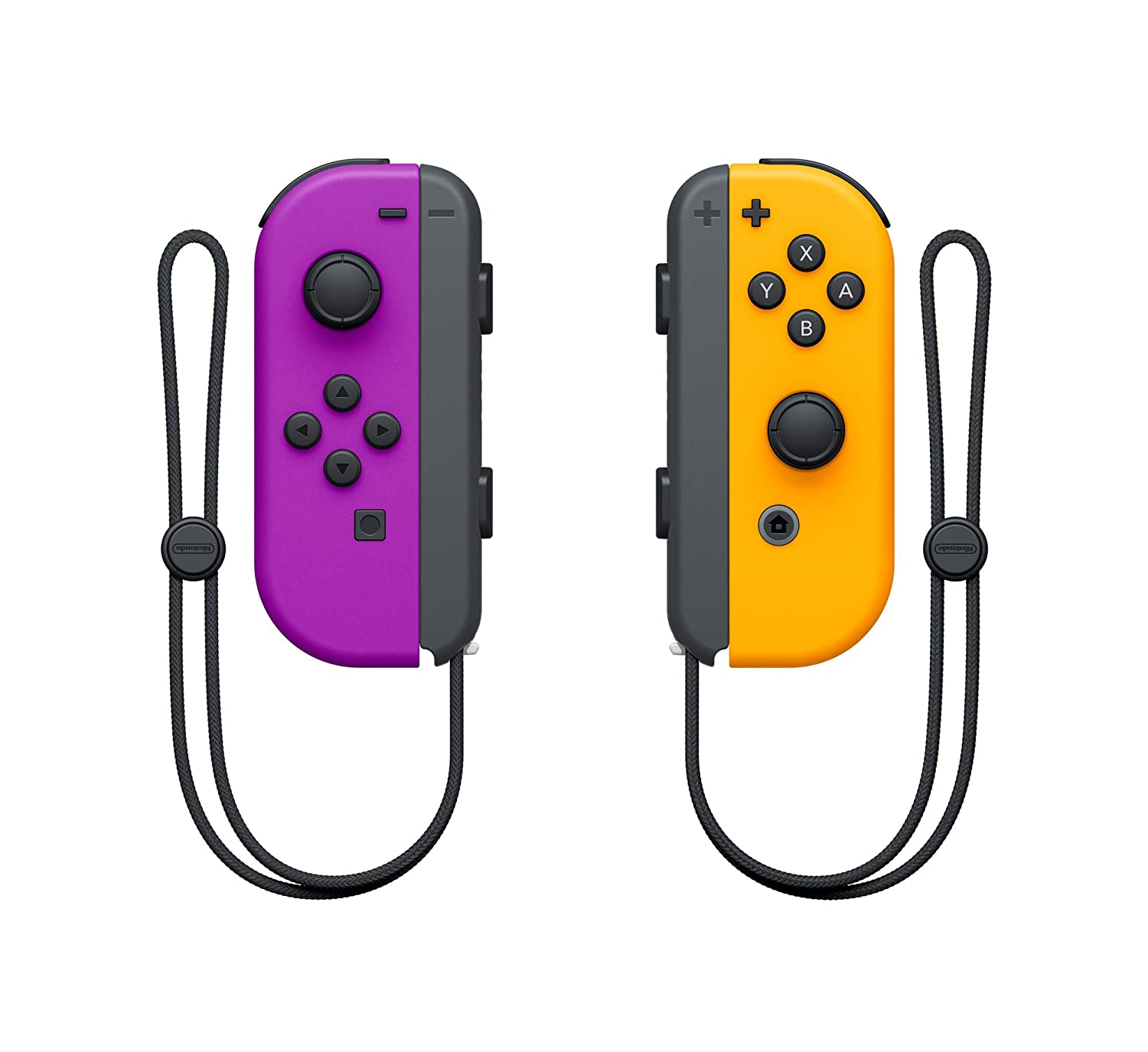
The case centers on claims that duties affecting the price of Nintendo hardware — including the Nintendo Switch line and potential future hardware like the Switch 2 — were later invalidated by litigation, and that purchasers are therefore due rebates.
Nintendo is a Kyoto-based company known for the Nintendo Switch platform, its eShop digital storefront, and periodic Nintendo Direct presentations detailing hardware and software plans.
Latest legal update
According to reporting from Gamefile, Nintendo has asked the court to dismiss the California lawsuit.
In its filing, Nintendo argues that buyers 'received exactly what they bargained and paid for' when they purchased Nintendo products and therefore are not entitled to retroactive rebates tied to the tariff litigation.
The company framed the plaintiffs' claims as asserting unfairness that Nintendo failed to retroactively adjust prices for completed sales after the tariff dispute concluded, and said that retroactive price adjustments on finished transactions are not a normal commercial practice.
Paraphrasing the filing
Nintendo's motion to dismiss contends that the central allegation — that Nintendo acted improperly by not refunding consumers after the tariff ruling — misunderstands how commercial transactions operate.
Nintendo told the court plaintiffs are seeking to transform a change in trade-law circumstances into a right to rebate past purchases, which the company argues is legally unfounded.
Context and next steps
When the lawsuit first surfaced, analysts were publicly skeptical that it would lead to widespread refunds from a major hardware maker.
The litigation remains a civil matter in U.S. courts, and Nintendo's motion to dismiss is the latest procedural step.
If the court grants dismissal, the case will end; if not, it could proceed to discovery and further hearings.
Why this matters
For consumers and industry watchers, the dispute highlights tensions between trade policy outcomes and post-sale consumer remedies.
For Nintendo, the case touches both its hardware pricing and the broader lifecycle of products sold through retail and the eShop.
Observers should watch court filings for additional details and any formal orders from the judge handling the case.
A California class-action that targeted Nintendo earlier this year alleged the company should pass refunds to U.S. consumers after a legal challenge to federal tariffs.
The case centers on claims that duties affecting the price of Nintendo hardware — including the Nintendo Switch line and potential future hardware like the Switch 2 — were later invalidated by litigation, and that purchasers are therefore due rebates.
Nintendo is a Kyoto-based company known for the Nintendo Switch platform, its eShop digital storefront, and periodic Nintendo Direct presentations detailing hardware and software plans.
Latest legal update
According to reporting from Gamefile, Nintendo has asked the court to dismiss the California lawsuit.
In its filing, Nintendo argues that buyers 'received exactly what they bargained and paid for' when they purchased Nintendo products and therefore are not entitled to retroactive rebates tied to the tariff litigation.
The company framed the plaintiffs' claims as asserting unfairness that Nintendo failed to retroactively adjust prices for completed sales after the tariff dispute concluded, and said that retroactive price adjustments on finished transactions are not a normal commercial practice.
Paraphrasing the filing
Nintendo's motion to dismiss contends that the central allegation — that Nintendo acted improperly by not refunding consumers after the tariff ruling — misunderstands how commercial transactions operate.
Nintendo told the court plaintiffs are seeking to transform a change in trade-law circumstances into a right to rebate past purchases, which the company argues is legally unfounded.
Context and next steps
When the lawsuit first surfaced, analysts were publicly skeptical that it would lead to widespread refunds from a major hardware maker.
The litigation remains a civil matter in U.S. courts, and Nintendo's motion to dismiss is the latest procedural step.
If the court grants dismissal, the case will end; if not, it could proceed to discovery and further hearings.
Why this matters
For consumers and industry watchers, the dispute highlights tensions between trade policy outcomes and post-sale consumer remedies.
For Nintendo, the case touches both its hardware pricing and the broader lifecycle of products sold through retail and the eShop.
Observers should watch court filings for additional details and any formal orders from the judge handling the case.