Alphanu1's MiSTer FPGA Core Brings Sega Model 1 Arcade Hardware Back to Life
Background
Sega's Model 1 architecture, best known for launching Virtua Racing in 1992, was an early and influential 3D arcade platform.
Emulating Model 1 has posed challenges for preservationists and developers due to the platform's custom polygonal hardware and multiple discrete circuit boards.
The MiSTer FPGA project, a modern FPGA-based retro hardware recreation platform, has become a hub for efforts to replicate classic arcade and console systems at the hardware level.
What Alphanu1 Built
Coder Alphanu1 has released a new MiSTer FPGA core that focuses specifically on Sega's Model 1 technology.
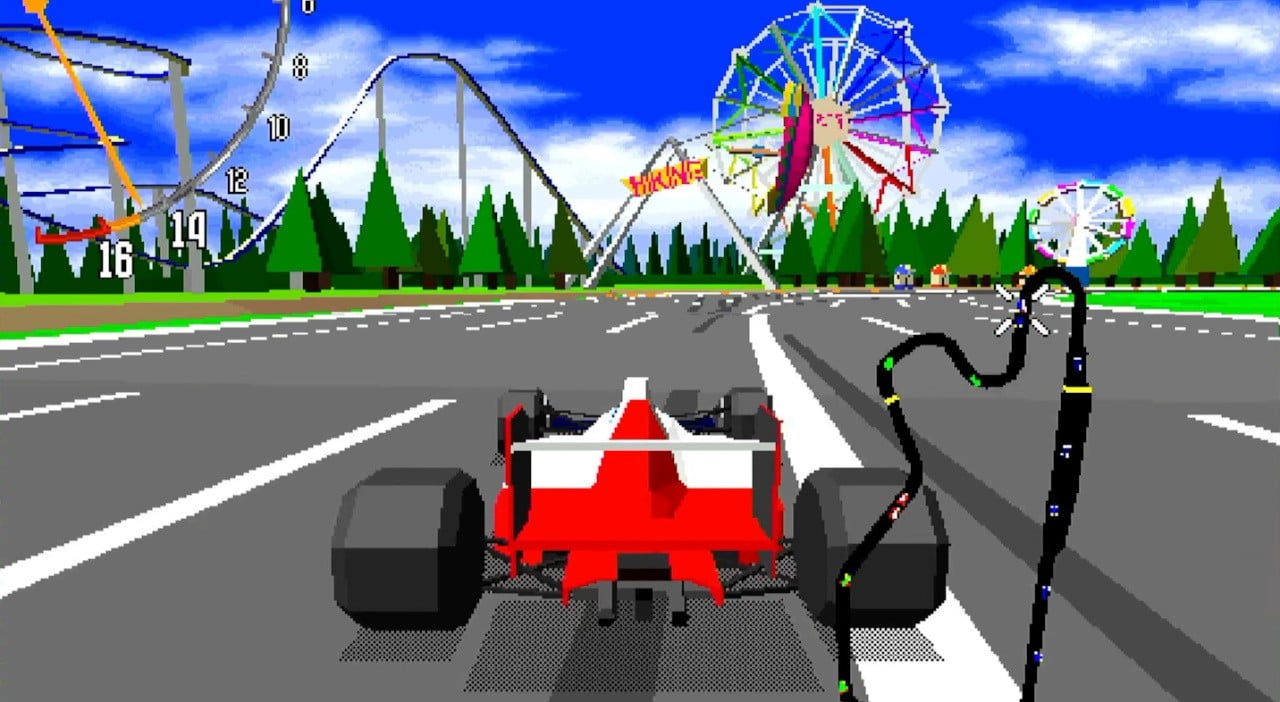
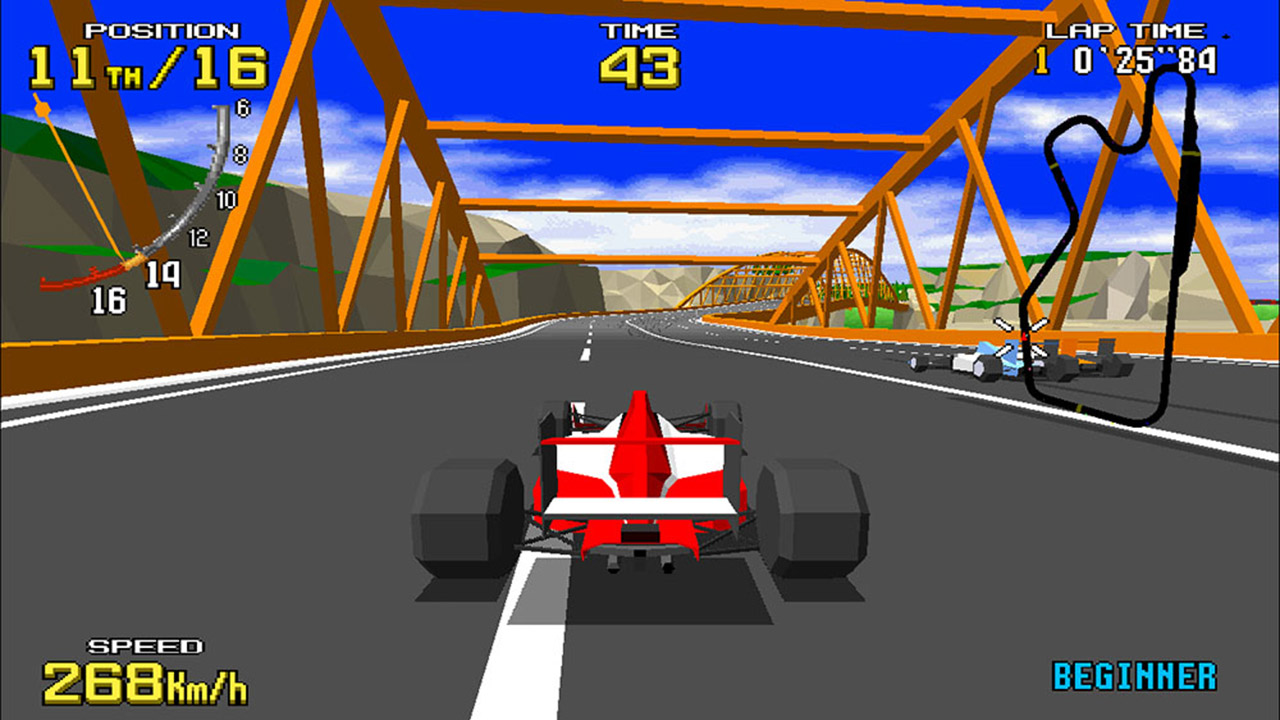
According to the developer, the core is capable of booting Virtua Racing, running the game's intro sequence and playing the full game.
Alphanu1 reports the implementation achieves roughly 99% of the original hardware's speed while rendering the game's 2D layers together with its 3D polygonal elements.
The developer notes that the build exhibits only occasional screen tearing and minor graphical glitches.
Technical status and limitations
As an FPGA core, this implementation attempts to replicate Model 1 hardware behavior directly rather than reimplementing it in software.
Alphanu1 has stated that audio is absent in the current release because Virtua Racing's sound is handled on a separate circuit board in the original arcade cabinets; that separate audio PCB has not yet been replicated in the core.
The developer has also clarified they are not currently working on ports of the same approach to other Model 1 titles.
Significance for arcade emulation
Replicating Model 1 hardware on FPGA is a notable accomplishment because early 1990s polygonal arcade systems used bespoke graphics and I/O solutions that are difficult to reproduce accurately in software emulators.
The MiSTer FPGA project is widely used by retro hardware enthusiasts to recreate original behavior with low latency, and Alphanu1's core represents a tangible step toward faithful Model 1 preservation.
Next steps and community impact
While multiple software emulators already approximate some Model 1 games, FPGA-level replication offers a path to closer hardware-accurate results.
Alphanu1's release demonstrates strong progress on Virtua Racing and underscores continued interest from the homebrew and preservation communities in restoring early 3D arcade titles for play and study.
Background
Sega's Model 1 architecture, best known for launching Virtua Racing in 1992, was an early and influential 3D arcade platform.
Emulating Model 1 has posed challenges for preservationists and developers due to the platform's custom polygonal hardware and multiple discrete circuit boards.
The MiSTer FPGA project, a modern FPGA-based retro hardware recreation platform, has become a hub for efforts to replicate classic arcade and console systems at the hardware level.
What Alphanu1 Built
Coder Alphanu1 has released a new MiSTer FPGA core that focuses specifically on Sega's Model 1 technology.
According to the developer, the core is capable of booting Virtua Racing, running the game's intro sequence and playing the full game.
Alphanu1 reports the implementation achieves roughly 99% of the original hardware's speed while rendering the game's 2D layers together with its 3D polygonal elements.
The developer notes that the build exhibits only occasional screen tearing and minor graphical glitches.
Technical status and limitations
As an FPGA core, this implementation attempts to replicate Model 1 hardware behavior directly rather than reimplementing it in software.
Alphanu1 has stated that audio is absent in the current release because Virtua Racing's sound is handled on a separate circuit board in the original arcade cabinets; that separate audio PCB has not yet been replicated in the core.
The developer has also clarified they are not currently working on ports of the same approach to other Model 1 titles.
Significance for arcade emulation
Replicating Model 1 hardware on FPGA is a notable accomplishment because early 1990s polygonal arcade systems used bespoke graphics and I/O solutions that are difficult to reproduce accurately in software emulators.
The MiSTer FPGA project is widely used by retro hardware enthusiasts to recreate original behavior with low latency, and Alphanu1's core represents a tangible step toward faithful Model 1 preservation.
Next steps and community impact
While multiple software emulators already approximate some Model 1 games, FPGA-level replication offers a path to closer hardware-accurate results.
Alphanu1's release demonstrates strong progress on Virtua Racing and underscores continued interest from the homebrew and preservation communities in restoring early 3D arcade titles for play and study.