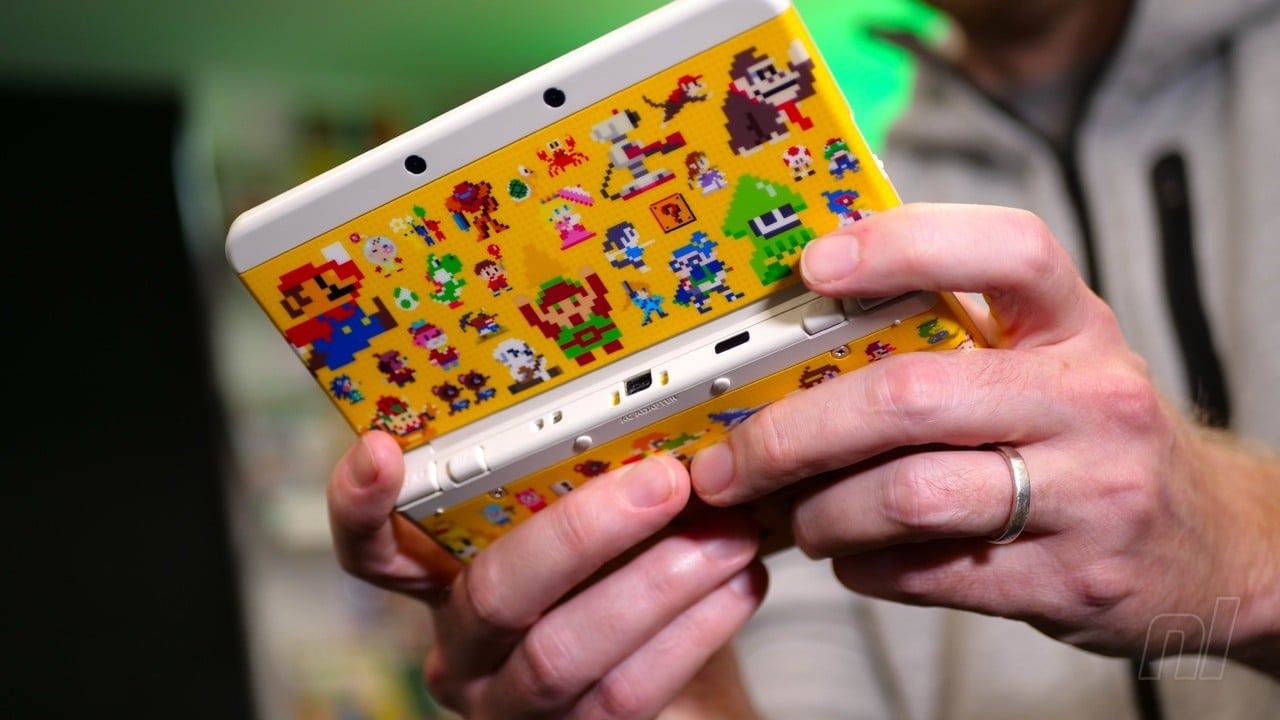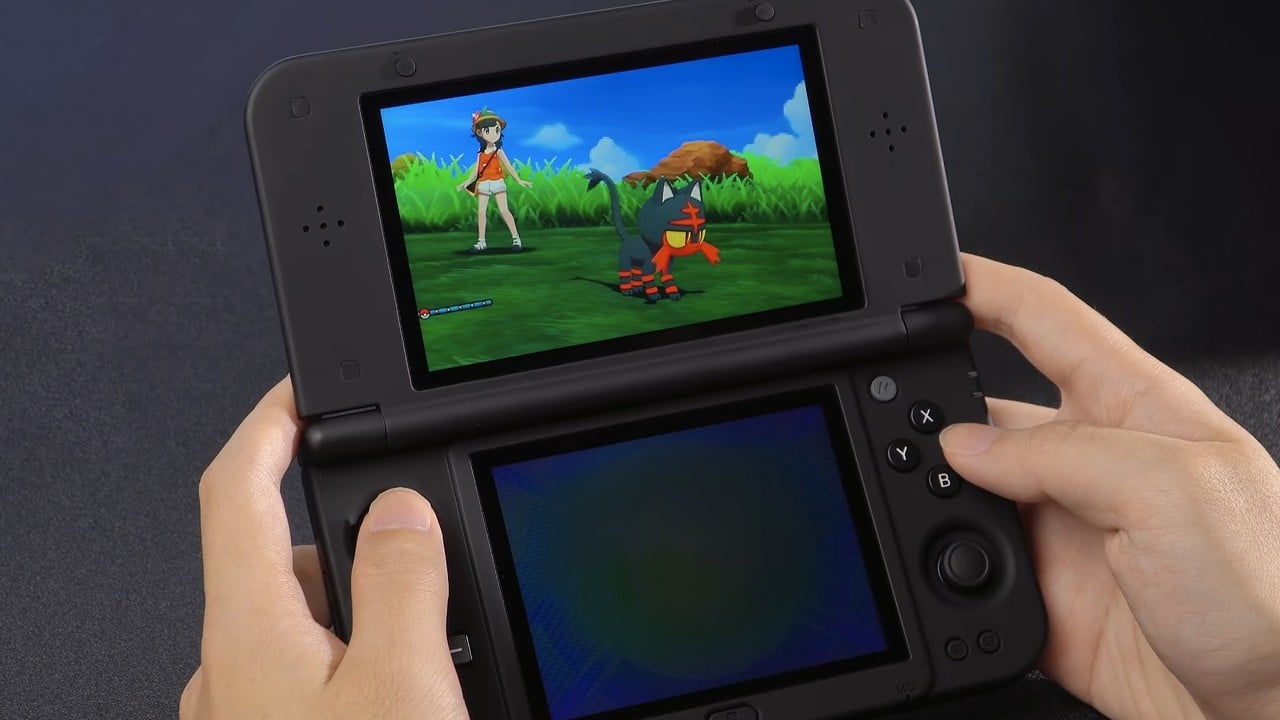
Handheld manufacturer Anbernic has drawn renewed scrutiny after promotional images for its upcoming RG DDS showed the device running 3DS software via an unofficial fork of the Azahar emulator.
The RG DDS is a dual-screen handheld marketed to closely resemble the Nintendo 3DS form factor, and the use of an emulator fork in advertising has prompted public pushback from the Azahar team and renewed attention from industry groups.
The Entertainment Software Association (ESA) has recently asked U.S. trade representatives to examine the handheld emulation market, urging closer scrutiny and encouraging some devices to be classified as “Superfake.” That request is part of a broader conversation about how retail and imported handhelds that emulate modern consoles should be regulated and described to consumers.
In a series of social posts, the Azahar development team said that Anbernic had promoted the RG DDS using what it described as “unofficial piracy-focused forks” of Azahar.
The Azahar team announced that, after internal deliberation, it will not provide official support for the RG DDS or other devices from Anbernic.
They stated they will not investigate or resolve issues or bugs that manifest specifically on hardware from this manufacturer and recommended that users seeking guaranteed official support consider alternative devices.
Paraphrasing the Azahar statement: the developers made clear they will withhold official support for Anbernic-branded hardware and will not address device-specific defects, advising consumers to choose products backed by supported builds if official compatibility is a priority.
Azahar itself traces lineage to the community that worked on Citra, a well-known 3DS emulator that faced legal and takedown pressures in 2024.
Given Nintendo's history of legal action related to emulation of its recent systems, the Azahar team’s decision to dissociate from Anbernic’s promotional material aligns with broader concerns about how emulator forks are used in commercial hardware marketing.
For retailers, consumers and developers, the episode highlights ongoing tensions at the intersection of hardware, software forks, and intellectual property enforcement.
As the RG DDS launch approaches, the situation is likely to remain a focal point for coverage of handheld emulation, platform policy, and consumer guidance.
Developers and buyers interested in compatibility or support should monitor official channels from Azahar and Anbernic for further updates.