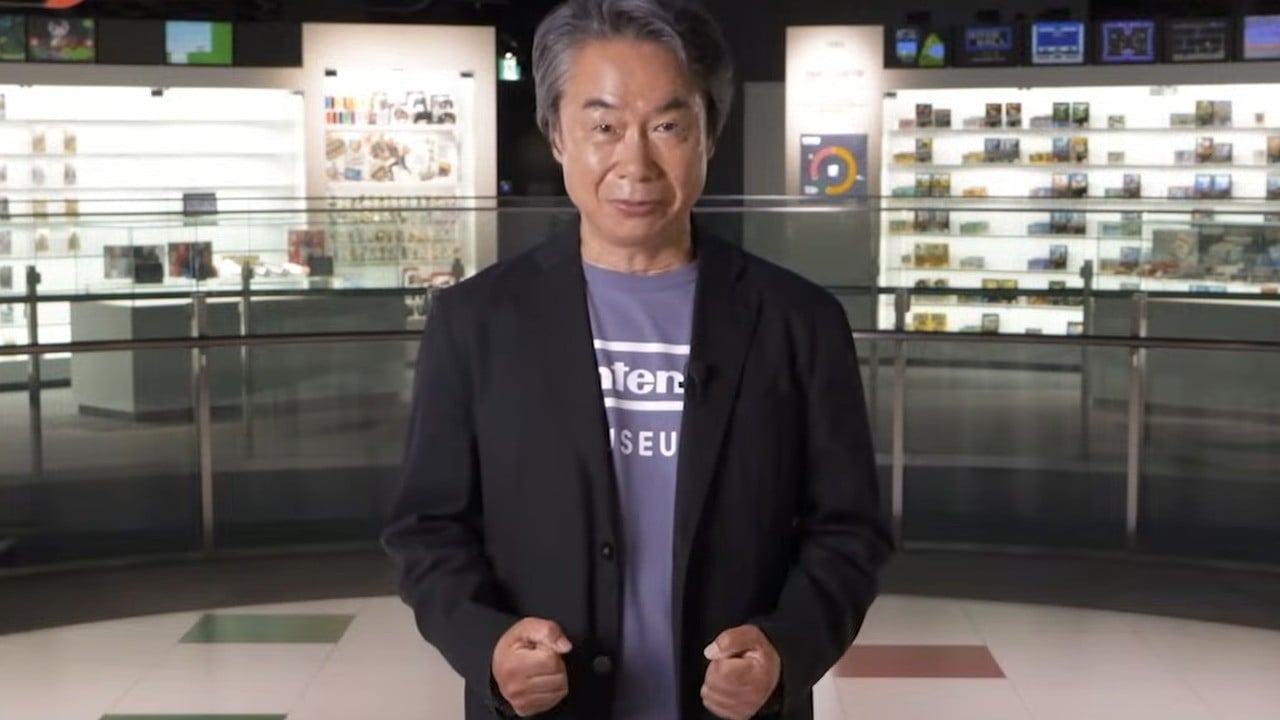
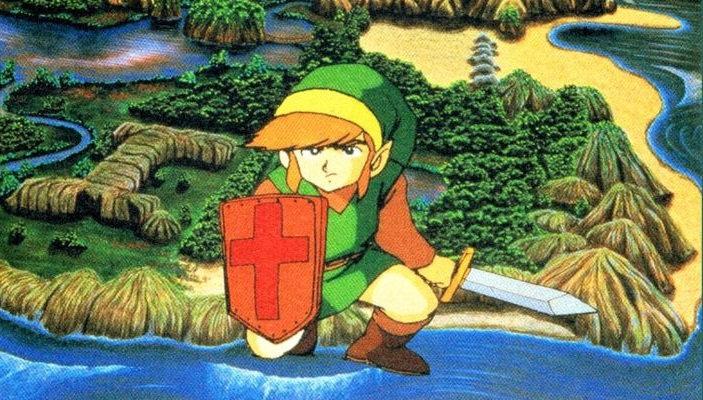

Shigeru Miyamoto, the legendary Nintendo developer behind Mario and The Legend of Zelda, recently accepted Japan’s Order of Culture award and used the occasion to address the rise of generative AI in creative industries.
Miyamoto’s remarks, translated and reported by VGC, situate the technology within a longer history of shifting creative tools and highlight the continuing importance of human intent in game design.
Nintendo remains a dominant force on platforms such as the Nintendo Switch and communicates major updates through channels like Nintendo Direct and the Nintendo eShop.
Miyamoto framed generative AI as part of an ongoing evolution of digital tools.
He compared today’s AI transition to earlier technological shifts—from typewriters to word processors—observing that as tools changed, so too did the criteria for creative excellence.
In journalistic terms, Miyamoto suggested that past technological advances forced designers to demonstrate distinct, individual skills beyond surface-level techniques, and he sees generative AI prompting a similar reassessment of what defines quality creative work.
On the relationship between creation and labour, Miyamoto warned against confusing the enjoyment of repetitive craft with the achievement of meaningful design.
Paraphrasing his point: he said creators first lay out a broad structure and then engage in hands-on refinement, and while that labor can be pleasurable, it can also give a false sense that finished work fully expresses a designer’s intention.
He argued that as AI takes over more of those labor-intensive tasks, creators will have an opportunity to reflect on what aspects of design truly matter.
Miyamoto also addressed the limits of imitation in lasting design.
He noted that works produced by copy-paste methods rarely endure because they lack a specific designer’s intention, and maintained that even if computers increasingly serve as assistants for the labor phase, the role of human creators will persist.
That perspective reinforces a broader industry conversation about the adoption of generative AI tools in game development, where questions about copyright, data sources, and creative authorship are already prominent.
As the gaming industry—and companies like Nintendo—continues to evaluate generative AI, Miyamoto’s comments underscore a core message: technological advancement changes workflows, but intentional human creativity remains central to enduring game design.