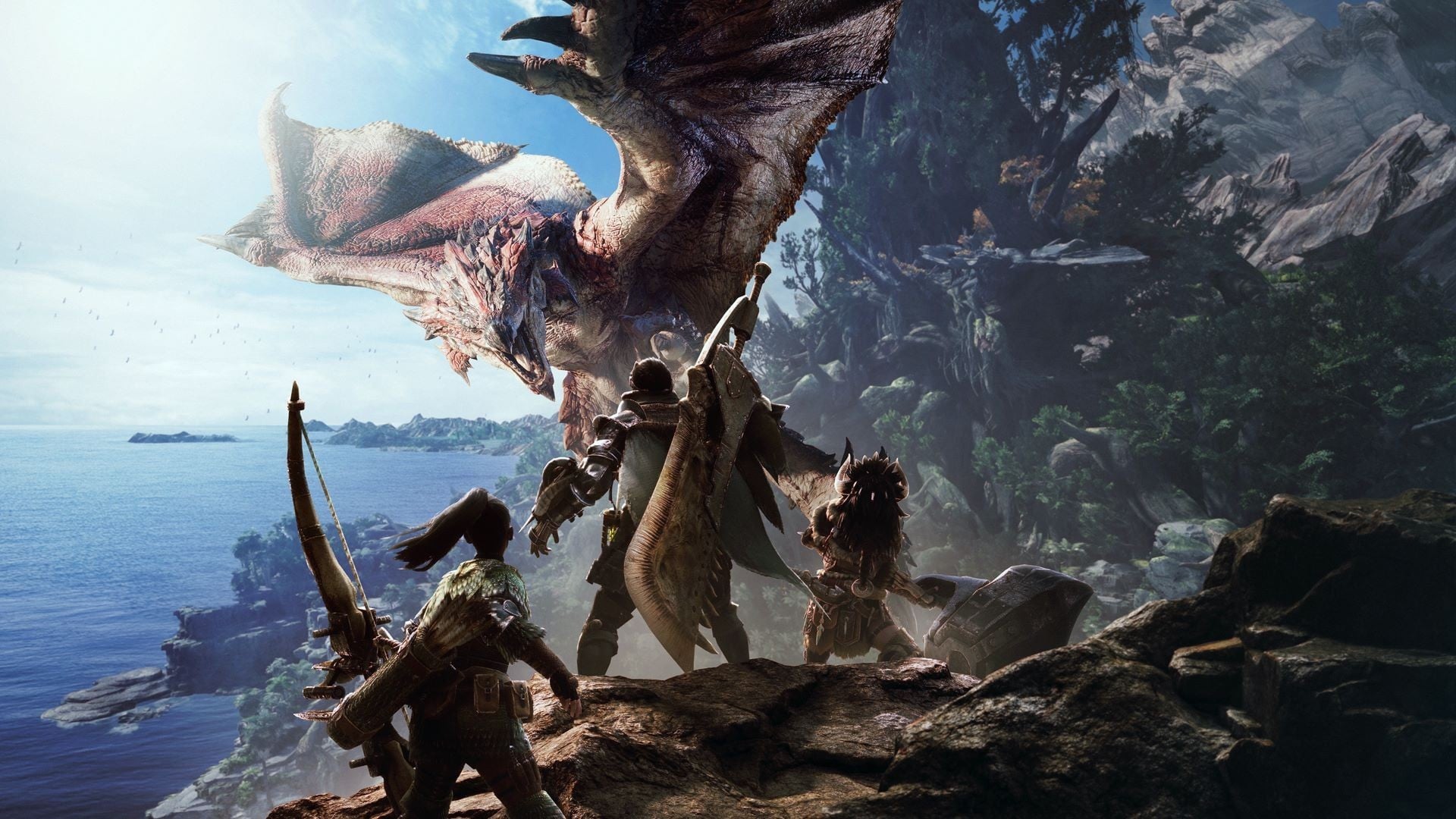
Capcom producer Ryozo Tsujimoto has clarified why bringing Monster Hunter World to Nintendo's next-generation hardware would not be a straightforward port.
The studio, which developed Monster Hunter World for PlayStation and Xbox using a modified MT Framework engine, has shifted its primary development to the RE Engine beginning with Monster Hunter Rise.
That change in core technology has major implications for platform availability and code compatibility.
Tsujimoto discussed the technical gap at Tokyo Game Show during a conversation with The Gamer, saying that the engine difference is the primary obstacle.
In his words, because Monster Hunter World was built on an entirely different engine, converting it to run on platforms that use Capcom’s RE Engine would require rebuilding the game from the ground up rather than performing a conventional port.
Put simply, the project would amount to a full remake rather than a straightforward technical conversion.
This explanation helps clarify why Monster Hunter World remained on PlayStation and Xbox during the Nintendo Switch generation while other entries, including Monster Hunter Rise and subsequent releases, appeared on Nintendo hardware.
Capcom’s move to the RE Engine is now reflected across multiple recent and upcoming projects; Capcom titles developed with RE Engine cited by the company include Street Fighter 6, Pragmata, Onimusha: Way of the Sword and several Resident Evil projects (including Requiem).
While a direct Switch 2 port of Monster Hunter World appears to be impractical given the engine gap, Nintendo fans have a confirmed path to Monster Hunter on Nintendo’s hybrid hardware.
Capcom has announced Monster Hunter Wilds for Nintendo’s Switch 2, with a release date set for 4 December 2026.
The Switch 2 version of Monster Hunter Wilds will include cross-play and will receive its expansion on the platform, ensuring current-generation Nintendo players can access Capcom’s newest Monster Hunter experience.
For developers and publishers, the Monster Hunter World example underscores how shifts in core engines can influence multi-platform strategy, affecting decisions about ports, remasters and full remakes.
For players, Capcom’s continued support of Nintendo hardware — now focused on titles built with RE Engine — defines which Monster Hunter experiences are most likely to appear on Switch 2 moving forward.
The studio, which developed Monster Hunter World for PlayStation and Xbox using a modified MT Framework engine, has shifted its primary development to the RE Engine beginning with Monster Hunter Rise.
That change in core technology has major implications for platform availability and code compatibility.
Tsujimoto discussed the technical gap at Tokyo Game Show during a conversation with The Gamer, saying that the engine difference is the primary obstacle.
In his words, because Monster Hunter World was built on an entirely different engine, converting it to run on platforms that use Capcom’s RE Engine would require rebuilding the game from the ground up rather than performing a conventional port.
Put simply, the project would amount to a full remake rather than a straightforward technical conversion.
This explanation helps clarify why Monster Hunter World remained on PlayStation and Xbox during the Nintendo Switch generation while other entries, including Monster Hunter Rise and subsequent releases, appeared on Nintendo hardware.
Capcom’s move to the RE Engine is now reflected across multiple recent and upcoming projects; Capcom titles developed with RE Engine cited by the company include Street Fighter 6, Pragmata, Onimusha: Way of the Sword and several Resident Evil projects (including Requiem).
While a direct Switch 2 port of Monster Hunter World appears to be impractical given the engine gap, Nintendo fans have a confirmed path to Monster Hunter on Nintendo’s hybrid hardware.
Capcom has announced Monster Hunter Wilds for Nintendo’s Switch 2, with a release date set for 4 December 2026.
The Switch 2 version of Monster Hunter Wilds will include cross-play and will receive its expansion on the platform, ensuring current-generation Nintendo players can access Capcom’s newest Monster Hunter experience.
For developers and publishers, the Monster Hunter World example underscores how shifts in core engines can influence multi-platform strategy, affecting decisions about ports, remasters and full remakes.
For players, Capcom’s continued support of Nintendo hardware — now focused on titles built with RE Engine — defines which Monster Hunter experiences are most likely to appear on Switch 2 moving forward.