

Shigeru Miyamoto, the longtime Nintendo creative director behind franchises such as Mario and The Legend of Zelda, told Japan's Famitsu magazine that the company’s console strategy is driven more by unique gameplay than by raw hardware specifications.
In the interview, Miyamoto cited the Nintendo Switch’s prolonged market presence as evidence that consumers do not always seek the most powerful hardware but instead value novel play experiences and flexible interfaces.
The Nintendo Switch family first launched on March 3, 2017, and has since been supported by hardware revisions including the Switch Lite, released on September 20, 2019, and the OLED model, released on October 8, 2021.
Miyamoto said he was pleased to see the original Switch remain on sale for eight or nine years, and used that longevity to underline Nintendo’s design philosophy: customers often prioritize distinctive play styles that only Nintendo can create over top-tier specifications.
Paraphrasing his remarks from Famitsu, Miyamoto noted that Nintendo focuses on ‘‘styles of play that only we can create,’’ and that the company’s hardware choices are intended to foster those experiences.
He contrasted Nintendo’s platform approach with smartphone development, explaining that making games for general-purpose devices often requires additional work to maintain compatibility across many hardware versions, whereas a dedicated console can be faster and more flexible for developers.
Miyamoto’s comments align with Nintendo’s recent history: the company frequently emphasizes novel control schemes, first-party franchises, and unique software-driven experiences.
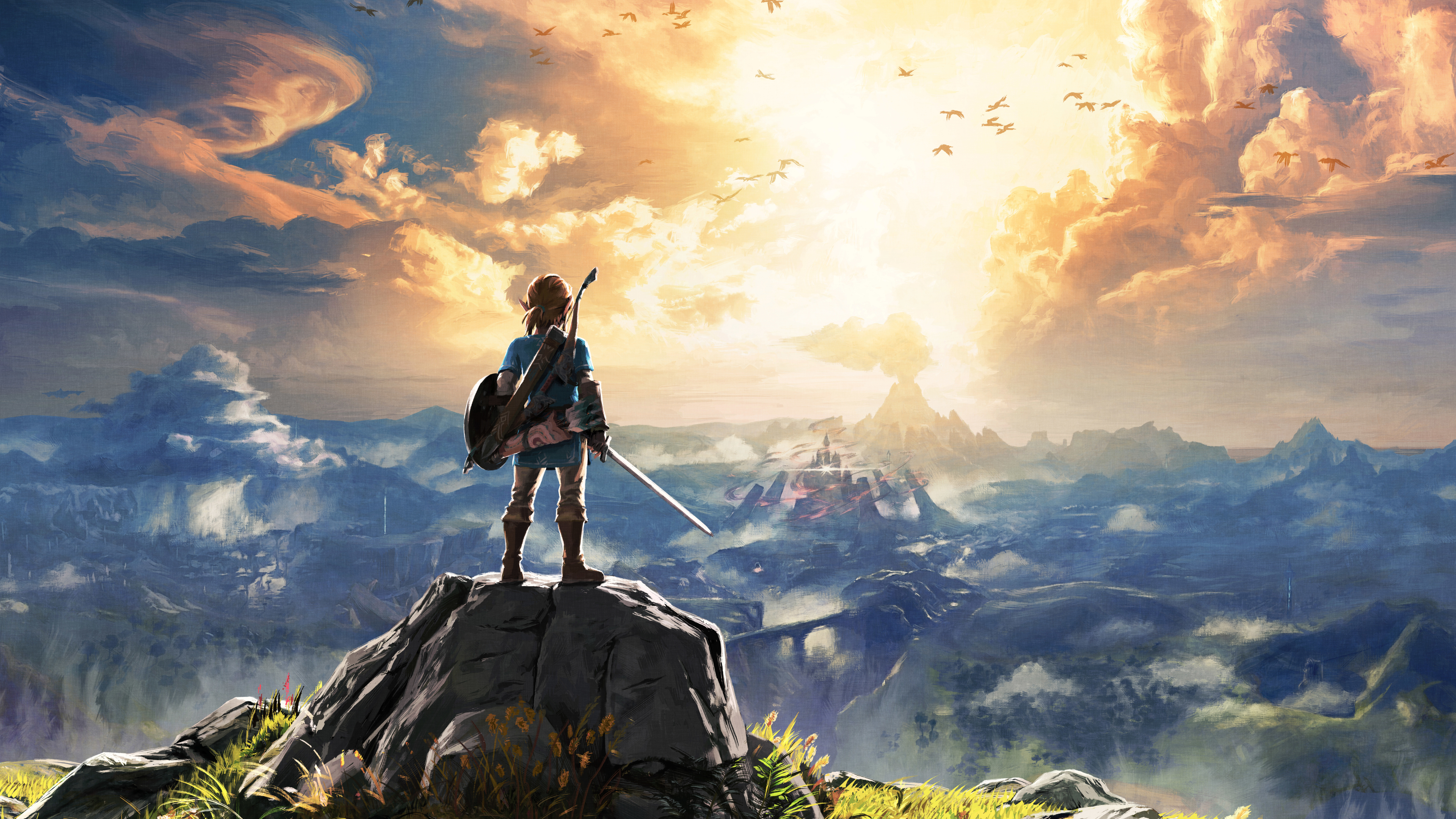
The Legend of Zelda: Breath of the Wild, which launched alongside the Switch on March 3, 2017 for both Nintendo Switch and Wii U, is a high-profile example of how exclusive software can define a platform’s appeal.
Nintendo continues to use direct-to-consumer channels such as Nintendo Direct broadcasts for major announcements and the Nintendo eShop for digital distribution, further supporting software-first strategies.
For developers and industry observers, Miyamoto’s remarks reinforce a long-standing lesson in console design: hardware capability is important, but the software and the play experiences it enables are often the decisive factors in a platform’s commercial and cultural success.
The Famitsu interview adds a veteran perspective to ongoing conversations about hardware versus software priorities in the games industry, and underscores why Nintendo has historically invested in both inventive hardware interfaces and strong first-party software to sustain platforms over many years.
In the interview, Miyamoto cited the Nintendo Switch’s prolonged market presence as evidence that consumers do not always seek the most powerful hardware but instead value novel play experiences and flexible interfaces.
The Nintendo Switch family first launched on March 3, 2017, and has since been supported by hardware revisions including the Switch Lite, released on September 20, 2019, and the OLED model, released on October 8, 2021.
Miyamoto said he was pleased to see the original Switch remain on sale for eight or nine years, and used that longevity to underline Nintendo’s design philosophy: customers often prioritize distinctive play styles that only Nintendo can create over top-tier specifications.
Paraphrasing his remarks from Famitsu, Miyamoto noted that Nintendo focuses on ‘‘styles of play that only we can create,’’ and that the company’s hardware choices are intended to foster those experiences.
He contrasted Nintendo’s platform approach with smartphone development, explaining that making games for general-purpose devices often requires additional work to maintain compatibility across many hardware versions, whereas a dedicated console can be faster and more flexible for developers.
Miyamoto’s comments align with Nintendo’s recent history: the company frequently emphasizes novel control schemes, first-party franchises, and unique software-driven experiences.
The Legend of Zelda: Breath of the Wild, which launched alongside the Switch on March 3, 2017 for both Nintendo Switch and Wii U, is a high-profile example of how exclusive software can define a platform’s appeal.
Nintendo continues to use direct-to-consumer channels such as Nintendo Direct broadcasts for major announcements and the Nintendo eShop for digital distribution, further supporting software-first strategies.
For developers and industry observers, Miyamoto’s remarks reinforce a long-standing lesson in console design: hardware capability is important, but the software and the play experiences it enables are often the decisive factors in a platform’s commercial and cultural success.
The Famitsu interview adds a veteran perspective to ongoing conversations about hardware versus software priorities in the games industry, and underscores why Nintendo has historically invested in both inventive hardware interfaces and strong first-party software to sustain platforms over many years.


