Microsoft has announced a round of studio-level reorganizations within its Xbox gaming divisions, a move the company says will include job reductions and reassignments across several development teams.
According to the company’s public post, the restructuring affects multiple studios tied to longstanding franchises, including 343 Industries, Rare and Obsidian.
Context and historical background
343 Industries was founded in 2007 to steward the Halo franchise after Bungie’s departure.
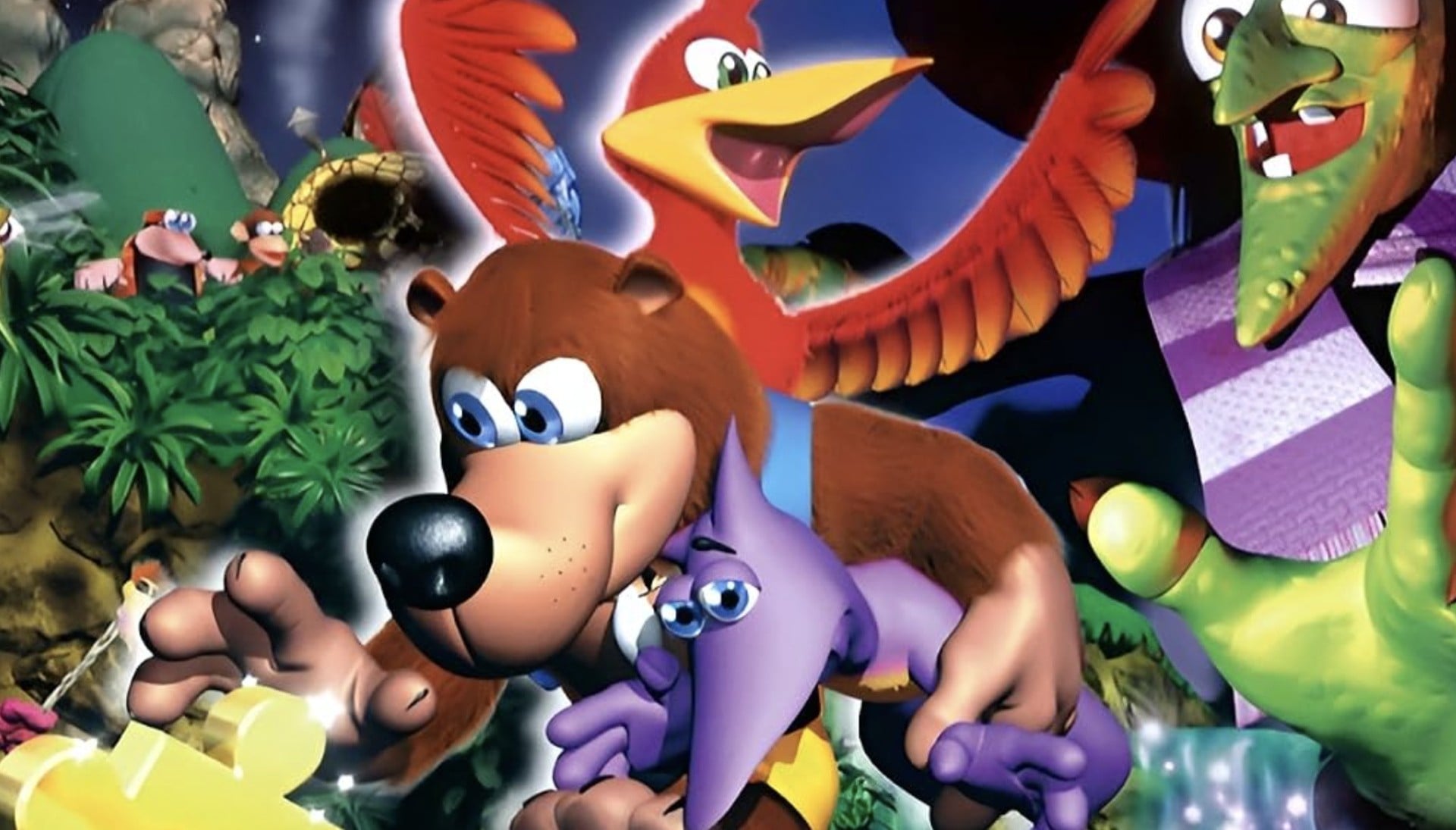
Rare, a studio with deep ties to Nintendo platforms — notable for Donkey Kong Country (1994) on SNES and GoldenEye 007 (1997) on Nintendo 64 — was acquired by Microsoft in 2002.
Rare later produced Viva Piñata (first released in 2006) and more recently developed Sea of Thieves, which launched on March 20, 2018.
Obsidian Entertainment, acquired by Microsoft in 2018, is known for titles such as Fallout: New Vegas (2010) and The Outer Worlds (2019), and developed Grounded as an ongoing project.
What Microsoft said and how it was reported
The company’s announcement states that 268 positions across gaming divisions will be eliminated as part of the restructuring.
The post describes changes to how franchises and teams will be organized going forward, and it explicitly references studio consolidations and new reporting structures for multiple internal teams.
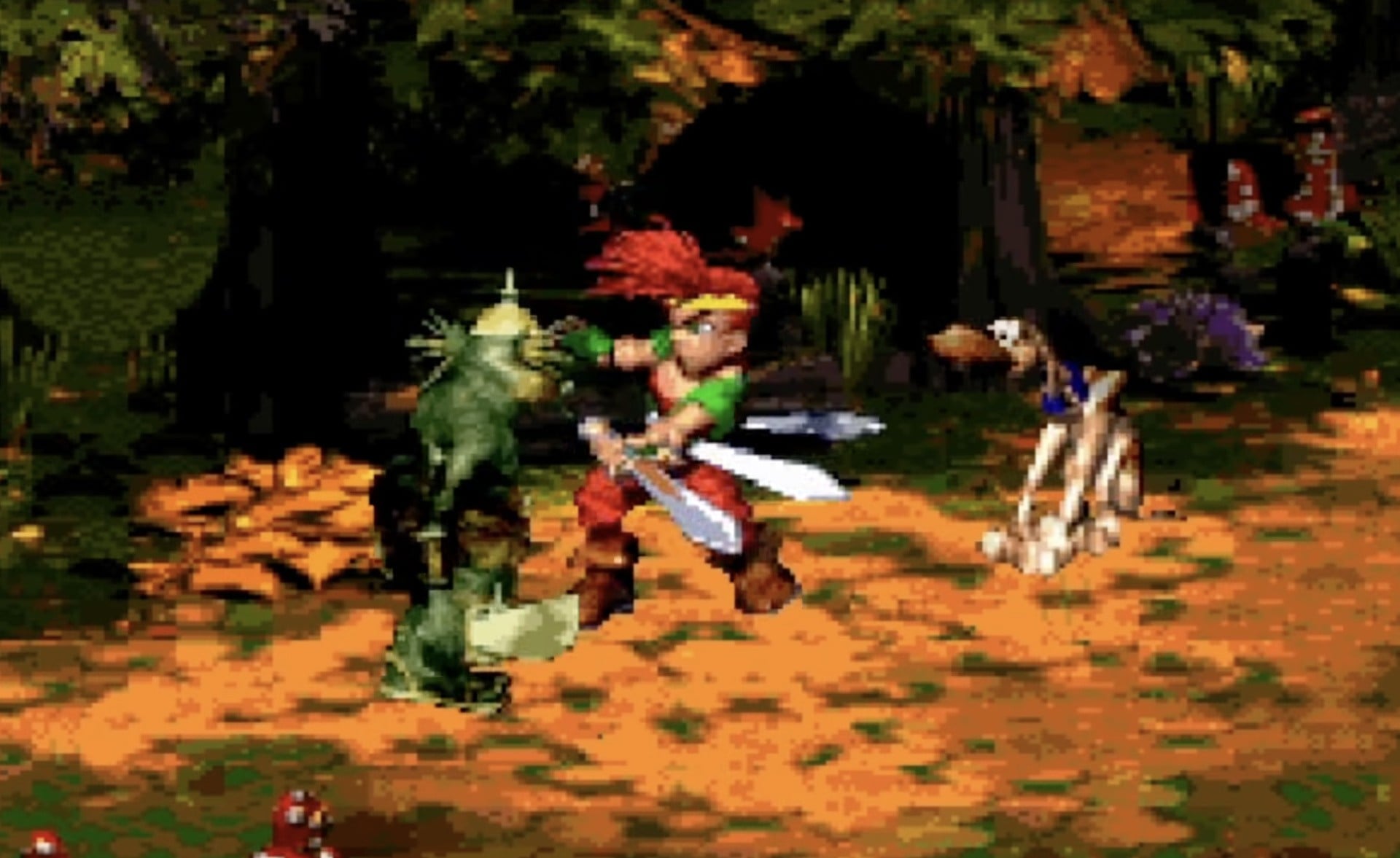
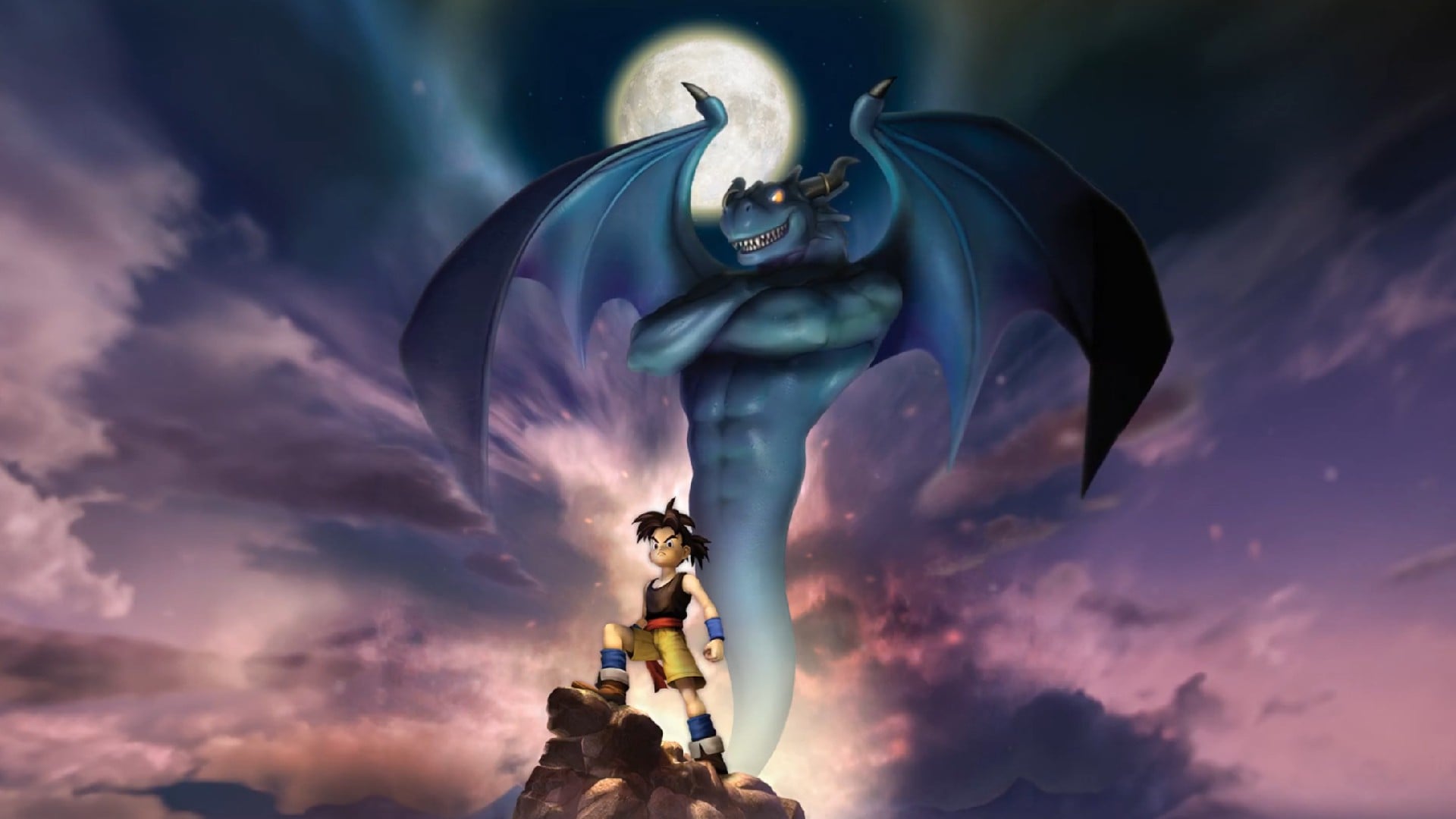
On the status of Ninja Theory, Microsoft’s message conveyed that two separate deals intended to secure the studio’s future did not finalize.
Paraphrasing the company statement: Microsoft said those agreements fell through, and the firm will begin consultations with employees about a proposed closure while continuing to explore other options.
Developer and franchise notes relevant to Nintendo audiences
Rare’s legacy on Nintendo hardware remains a key piece of the studio’s identity; Nintendo fans will recognize Rare for its 16-bit and 64-bit-era hits.
Sea of Thieves — a multiplayer pirate title released in 2018 — represents Rare’s most visible success under Microsoft, while Viva Piñata remains a frequently cited example of Rare’s earlier, family-friendly design sensibilities.
Obsidian’s pedigree with narrative-driven RPGs, including Fallout: New Vegas and The Outer Worlds, is a notable part of the broader Microsoft studio landscape.
Playground Games and Turn 10 have been closely associated with Microsoft’s Forza franchise since Forza Motorsport debuted in 2005; recent internal moves reportedly align those teams around Forza and other flagship titles.
What Microsoft’s restructuring means in practical terms
Microsoft frames these moves as part of a larger effort to realign the Xbox brand and the company’s first-party portfolio.
The announcement lists affected studios and changes to reporting and development responsibilities; it attributes the need for organizational change to broader strategic priorities.
For Nintendo observers tracking legacy developers and IP, the restructuring highlights how studios with historic ties to Nintendo platforms continue to evolve under new ownership.
This report contains paraphrased company statements and established factual history about studios and release dates.
Microsoft’s post is the source for the restructuring and staffing figures cited.
According to the company’s public post, the restructuring affects multiple studios tied to longstanding franchises, including 343 Industries, Rare and Obsidian.
Context and historical background
343 Industries was founded in 2007 to steward the Halo franchise after Bungie’s departure.
Rare, a studio with deep ties to Nintendo platforms — notable for Donkey Kong Country (1994) on SNES and GoldenEye 007 (1997) on Nintendo 64 — was acquired by Microsoft in 2002.
Rare later produced Viva Piñata (first released in 2006) and more recently developed Sea of Thieves, which launched on March 20, 2018.
Obsidian Entertainment, acquired by Microsoft in 2018, is known for titles such as Fallout: New Vegas (2010) and The Outer Worlds (2019), and developed Grounded as an ongoing project.
What Microsoft said and how it was reported
The company’s announcement states that 268 positions across gaming divisions will be eliminated as part of the restructuring.
The post describes changes to how franchises and teams will be organized going forward, and it explicitly references studio consolidations and new reporting structures for multiple internal teams.
On the status of Ninja Theory, Microsoft’s message conveyed that two separate deals intended to secure the studio’s future did not finalize.
Paraphrasing the company statement: Microsoft said those agreements fell through, and the firm will begin consultations with employees about a proposed closure while continuing to explore other options.
Developer and franchise notes relevant to Nintendo audiences
Rare’s legacy on Nintendo hardware remains a key piece of the studio’s identity; Nintendo fans will recognize Rare for its 16-bit and 64-bit-era hits.
Sea of Thieves — a multiplayer pirate title released in 2018 — represents Rare’s most visible success under Microsoft, while Viva Piñata remains a frequently cited example of Rare’s earlier, family-friendly design sensibilities.
Obsidian’s pedigree with narrative-driven RPGs, including Fallout: New Vegas and The Outer Worlds, is a notable part of the broader Microsoft studio landscape.
Playground Games and Turn 10 have been closely associated with Microsoft’s Forza franchise since Forza Motorsport debuted in 2005; recent internal moves reportedly align those teams around Forza and other flagship titles.
What Microsoft’s restructuring means in practical terms
Microsoft frames these moves as part of a larger effort to realign the Xbox brand and the company’s first-party portfolio.
The announcement lists affected studios and changes to reporting and development responsibilities; it attributes the need for organizational change to broader strategic priorities.
For Nintendo observers tracking legacy developers and IP, the restructuring highlights how studios with historic ties to Nintendo platforms continue to evolve under new ownership.
This report contains paraphrased company statements and established factual history about studios and release dates.
Microsoft’s post is the source for the restructuring and staffing figures cited.